Yazılar

OpenAI’s Transcription Tool Allegedly Inserting Inaccurate Content in Medical Consultation Transcripts

Concerns Raised Over OpenAI’s Whisper Transcription Tool Inserting Hallucinated Content in Medical Records

OpenAI’s transcription tool, Whisper, released in 2022, has been praised for its ability to transcribe speech to text. However, recent reports have raised alarm over the tool’s propensity for generating hallucinated content—false or imaginary text that was never actually spoken. This issue is particularly concerning when it comes to high-risk industries like healthcare, where accuracy is critical. The potential for Whisper to inject hallucinated or misleading information into medical consultation records could pose serious risks to patient safety, especially in sensitive contexts like doctor-patient discussions.

According to a report by the Associated Press, Whisper’s automatic speech recognition (ASR) system has been found to generate hallucinated text, sometimes inserting fabricated details about medical treatments, medications, or even racial descriptions and violent incidents. This type of content, while it may seem minor in other settings, could have dangerous consequences in medical records. Errors in such critical documents may lead to misdiagnoses, incorrect treatments, or even potential harm to patients if healthcare professionals rely on these flawed transcripts.

Hallucination, a term used in the AI community to describe instances when an AI system generates false or misleading information, has become a major challenge for AI tools like Whisper. In the case of this transcription software, the hallucinated text does not stem from any verbal input, but is instead fabricated by the AI, raising questions about the reliability of its transcriptions, particularly when used in professional settings like healthcare. The risk is amplified when these tools are integrated into real-world applications where precision is not just desired but required for safety.

The growing use of Whisper in medical contexts, where transcription accuracy is paramount, underscores the need for more rigorous quality control and transparency in AI tools. Healthcare providers who adopt such technologies must remain vigilant, ensuring that they have safeguards in place to detect and correct any errors introduced by the AI. As OpenAI works to refine and improve Whisper, stakeholders in healthcare and other high-stakes sectors will need to carefully evaluate the potential risks and limitations of incorporating AI-driven transcription tools into their daily operations.
OpenAI Set to Launch GPT-4 Successor Before Year-End, Reports Suggest

OpenAI is reportedly preparing to unveil the successor to its GPT-4 model by the end of this year, marking a significant milestone in the company’s AI development. According to recent reports, this next-generation model, internally referred to as “Orion,” is set to be more advanced and powerful than its predecessor. While a formal release is anticipated for December 2024, it is expected that Orion will initially be available only to a select group of enterprise partners, rather than being made widely accessible to the public right away.

The Verge has indicated that OpenAI is targeting December 2024 for Orion’s release, with sources familiar with the project confirming the model’s internal codename. Initially, rumors pointed to the model being named “Strawberry,” but it has since been clarified that this referred to the GPT-4o model, an updated version of GPT-4. Unlike GPT-4 and its previous updates, Orion is expected to represent a true leap forward in terms of architecture and capabilities, rather than simply being a refinement of existing models.

OpenAI has already released several iterations of GPT-4, including GPT-4 Turbo and GPT-4o, which were essentially optimized versions of the original GPT-4 architecture. These models incorporated improvements in efficiency and functionality but did not introduce groundbreaking changes to the underlying framework. Orion, however, is expected to break new ground, with advancements that could set the stage for the company’s next major leap in AI technology—likely branded as GPT-5.

This move suggests that OpenAI is preparing to shift toward a new era of AI capabilities, with models like Orion pushing the boundaries of what large language models can achieve. Given the increasing reliance on AI across industries, the launch of such an advanced model is set to have significant implications, both for the development of future AI applications and for the broader AI landscape. As the company works closely with its enterprise partners, Orion may soon become an integral part of many business processes, shaping the future of AI interactions in both commercial and technical domains.

Tech Leaders Congratulate Donald Trump on Presidential Election Victory

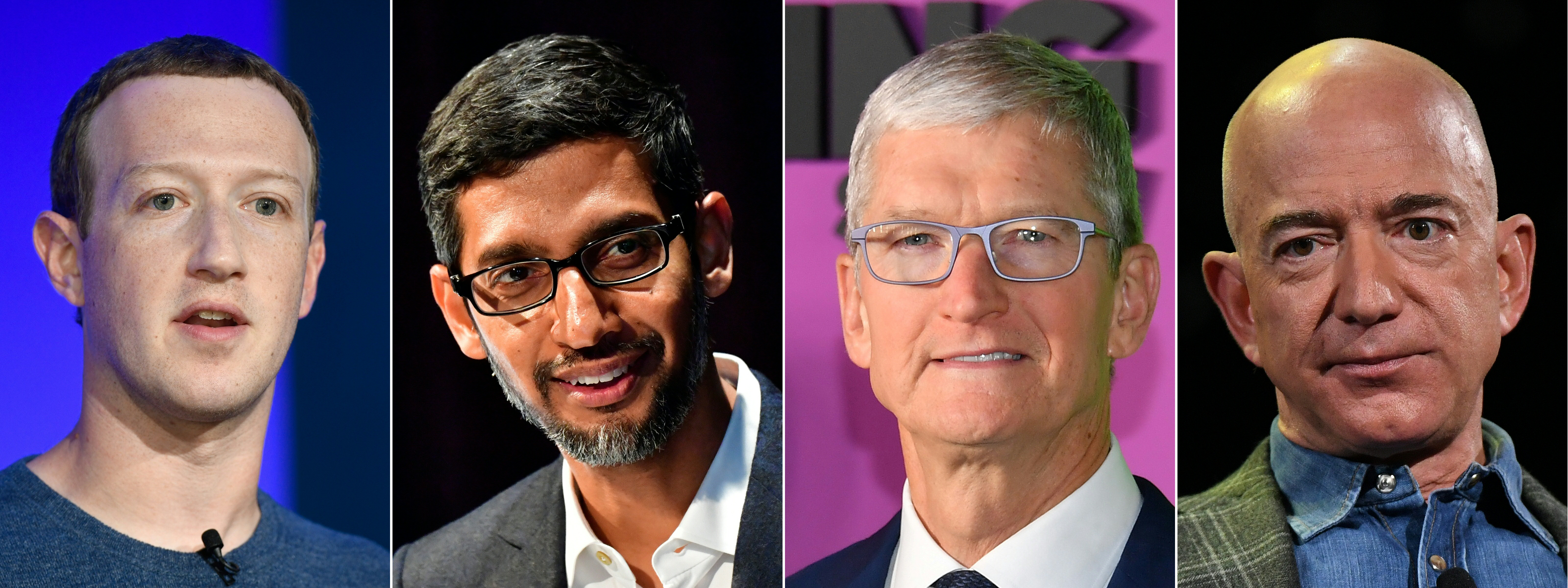
Several high-profile tech CEOs extended their congratulations to President-elect Donald Trump and Vice President-elect JD Vance following Trump’s win in the U.S. presidential election. These statements, posted on social media, expressed support for Trump’s return to the Oval Office and emphasized a shared focus on technology advancement and economic growth.

Amazon
Jeff Bezos, Amazon’s founder and executive chairman, congratulated Trump in a post on X, calling his win an “extraordinary political comeback and decisive victory.” Although Bezos and Trump clashed during Trump’s first term over issues like Amazon’s tax practices and The Washington Post’s editorial stance, Bezos has recently adopted a more conciliatory approach. He praised Trump for his “courage under literal fire” after the attempted assassination attempt on Trump this past summer. Amazon CEO Andy Jassy also extended his congratulations, expressing hope to collaborate on issues impacting Amazon’s customers and employees.

OpenAI
OpenAI CEO Sam Altman wrote on X that he wishes Trump “huge success in the job.” Altman emphasized the importance of the U.S. maintaining its leadership in artificial intelligence and expressed optimism about continuing to develop AI aligned with democratic values.

Meta
Mark Zuckerberg, CEO of Meta, congratulated Trump on what he described as a “decisive victory.” Zuckerberg said he looked forward to working with Trump on shared opportunities and goals, despite their sometimes tense history, notably Meta’s suspension of Trump’s Facebook account in the aftermath of the January 6 events.

Tesla and X
Elon Musk, CEO of Tesla and X (formerly Twitter), was another vocal supporter. Musk has been a prominent backer of Trump’s campaign and contributed $75 million to America PAC, a pro-Trump political action committee he founded. Musk, who is expected to lead a government efficiency commission under Trump, celebrated the win, which sent Tesla’s stock surging by over 13%.

Alphabet (Google)
Sundar Pichai, CEO of Alphabet, Google’s parent company, offered his congratulations to Trump and expressed a commitment to working together on technology-driven initiatives.

Intel
Intel CEO Pat Gelsinger also extended his congratulations, stating that Intel looks forward to collaborating with Trump’s administration to advance America’s technological and manufacturing leadership. Intel, currently restructuring to regain its position in the global chip market, could benefit if Trump and the Republican Congress pursue an agenda that replaces the Biden-Harris administration’s CHIPS and Science Act.

Cisco
Chuck Robbins, Cisco’s CEO, wrote that his company is eager to collaborate on policies supporting “connectivity, innovation, and cybersecurity.” Robbins highlighted Cisco’s readiness to work with Trump and Congress on key technological issues.

Box and Dell Technologies
Box CEO Aaron Levie also congratulated Trump on his win, describing it as a “wild ride” and noting his optimism about America’s future growth trajectory. Michael Dell, CEO of Dell Technologies, added his congratulations on X.

This election victory has brought a chorus of industry leaders expressing hope for collaboration on economic policies that could impact technology, innovation, and global competitiveness, aligning with Trump’s focus on strengthening American industries.