
Yazılar

Meta Introduces Gen AI Model for Video and Audio Creation, Challenging OpenAI’s Offerings

Meta has unveiled its latest generative AI model, Movie Gen, designed to create both video and audio clips in response to user prompts. This move positions Meta in direct competition with leading media generation tools from companies like OpenAI and ElevenLabs. According to Meta, Movie Gen can produce highly realistic videos paired with synchronized audio, all driven by AI. This new tool is part of the company’s broader push to integrate AI-driven content creation into its platforms.

Meta has demonstrated the model’s capabilities by sharing samples of generated videos. These examples include animals engaging in various activities such as swimming and surfing, as well as depictions of real individuals, created from their actual photos, performing actions like painting on a canvas. This versatility sets Movie Gen apart, as it promises not only dynamic visual creation but also detailed personalizations of user-provided images.

What makes Movie Gen particularly intriguing is its ability to generate background music and sound effects that are synchronized with the visual content of the videos. Meta has positioned this functionality as a significant leap forward, claiming that the model can produce more immersive experiences by aligning both sound and visuals. Moreover, users can leverage the tool to edit existing videos, making it a valuable asset for creators looking to enhance their content with AI-generated elements.

This announcement marks Meta’s continued investment in artificial intelligence and its desire to lead the next phase of content creation. By rolling out tools like Movie Gen, Meta aims to provide creators with innovative ways to produce and customize media, making AI-driven storytelling accessible to a broader audience.

Google Reportedly Developing Reasoning AI in Response to OpenAI’s Advances

Google is reportedly developing artificial intelligence software aimed at emulating human reasoning capabilities, similar to OpenAI’s recent advancements. This marks a new phase in the ongoing competition between the tech titan and the rapidly emerging startup. According to sources familiar with the project, several teams within Alphabet Inc. have been making strides in creating AI reasoning software that excels at tackling complex, multistep problems, particularly in areas like mathematics and computer programming.

The drive towards creating reasoning models is seen as a crucial step forward in AI technology. Both Google and OpenAI are attempting to approximate human reasoning through a technique known as chain-of-thought prompting. This method, which Google originally pioneered, involves the AI pausing for a brief period before responding to a prompt. During this pause, the system evaluates a range of related queries behind the scenes, ultimately summarizing what it determines to be the most effective response. This approach aims to enhance the AI’s ability to provide coherent and logically sound answers to complex questions.

Despite the buzz surrounding this development, Google has chosen not to comment publicly on the ongoing efforts. This lack of information underscores the competitive nature of the AI landscape, where companies are keen to guard their innovations. The tech industry has seen an increasing focus on reasoning models as researchers aim to push the boundaries of what AI can accomplish, signaling a shift towards more sophisticated applications of the technology.

The rivalry between Google and OpenAI has intensified since the launch of ChatGPT, which has raised concerns among investors about the potential implications for Google Search. In response, Google has taken various steps to bolster its position in the AI arena, such as merging its research labs into the Google DeepMind unit and fostering closer collaboration between researchers and product teams. However, Google’s cautious approach to rolling out AI products reflects a broader consideration of ethical concerns, public trust, and the complexities of managing diverse AI initiatives within the organization. As both companies strive to lead the AI revolution, the quest for reasoning capabilities will be a pivotal battleground.

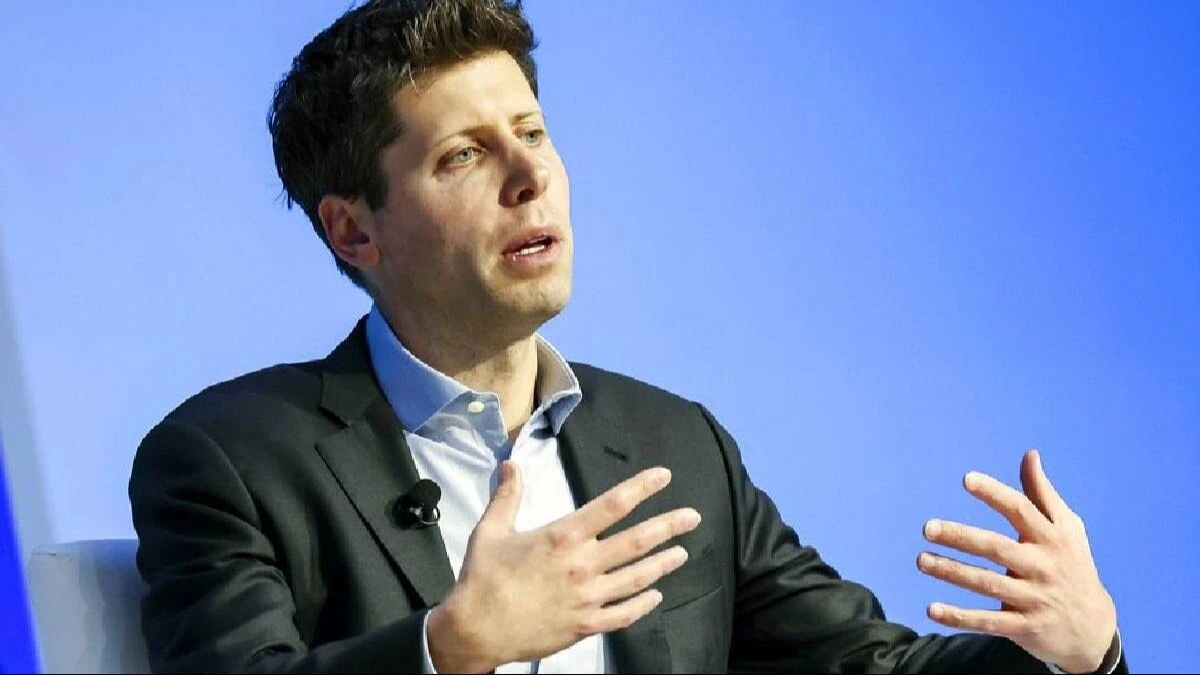
OpenAI’s Sam Altman Addresses Recent Executive Departures, Dismisses Links to Restructuring

Altman expresses enthusiasm for streamlining operations and enhancing collaboration with technical teams following executive exits. Devamını Oku