Yazılar

Microsoft’s Massive Outlook and Teams Outage Resolved After More Than a Day

Microsoft faced a significant outage that impacted Outlook and Teams services for over a day, affecting millions of users globally. The company initially projected a quick resolution, expecting the issue to be fixed within three hours. However, the recovery process turned out to be more prolonged, with Microsoft updating users multiple times throughout the day.

By noon, the company reported that the fix had reached around 98% of the affected environments. However, despite these efforts, reports of ongoing disruptions continued to flood monitoring platforms like Downdetector. It became apparent that updates were taking longer to reach some systems than anticipated, with progress slower than expected for the majority of users.

Microsoft did not offer a new estimated time for a full recovery, and by 2 p.m. ET, the company confirmed that delays were still affecting the restoration process.

The Impact of the Outage

While the outage severely disrupted many office workers’ ability to perform tasks via Outlook and Teams, some users in the U.S. found a silver lining, celebrating the unplanned break as they approached the Thanksgiving holiday weekend.

This issue follows a series of major tech outages this year. However, Microsoft’s situation was not as widespread as other notable disruptions. The most significant outage of 2024 was caused by a software failure at CrowdStrike during the summer, which grounded air travel, disrupted hospital systems, and caused over $5 billion in direct losses to Fortune 500 companies.

A Cautionary Tale for Tech Giants

The Microsoft outage highlights the ongoing vulnerabilities in modern digital infrastructures, showing how quickly tech failures can affect both business productivity and day-to-day operations. While the issue has now been resolved, it serves as a reminder of the fragility of critical online services and the increasing reliance on such platforms in the workplace.
 

Microsoft Outlook Introduces AI-Driven Personalized Dynamic Themes

Microsoft Outlook Introduces AI-Driven Dynamic Themes for Personalization
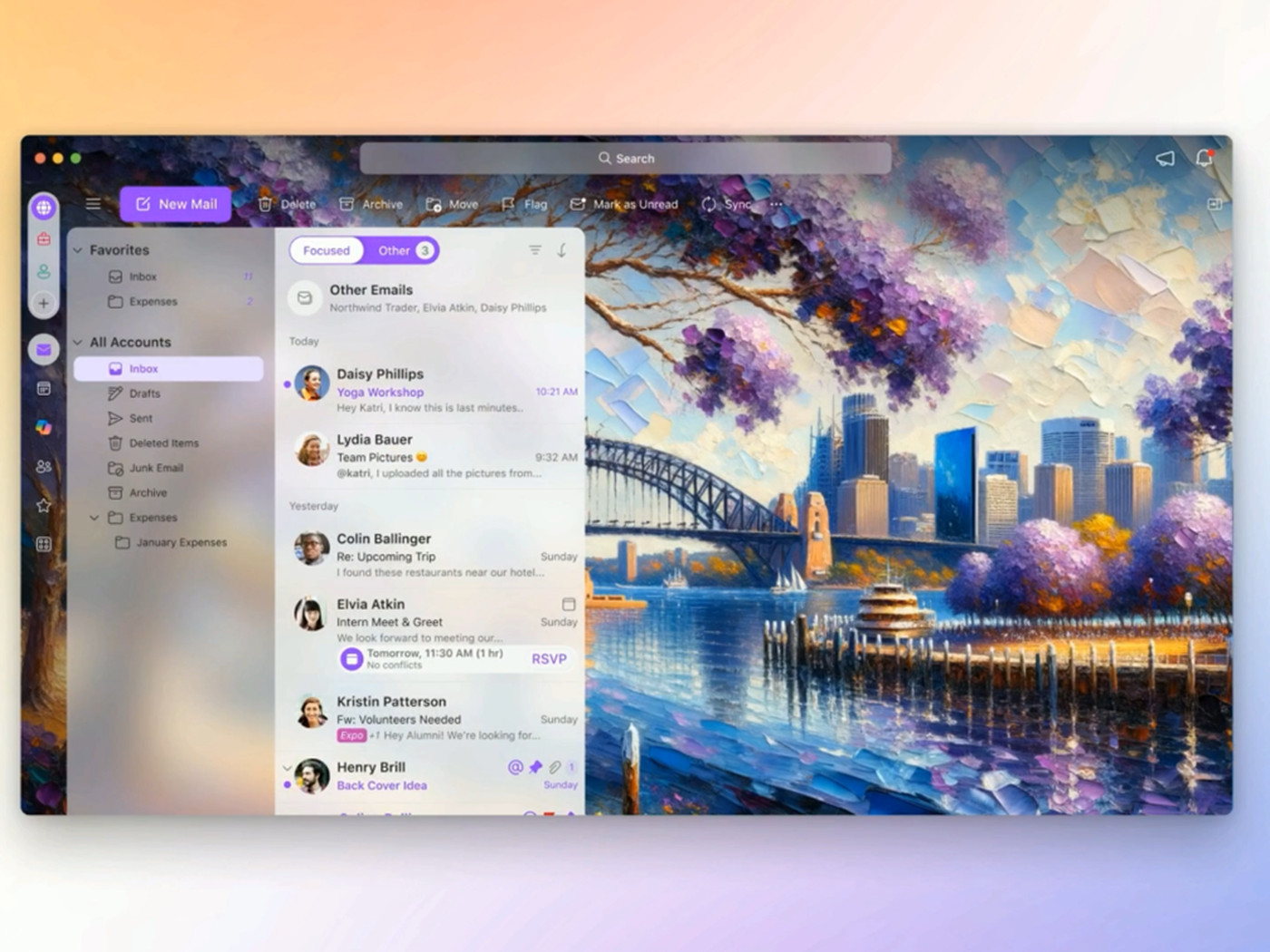
Microsoft Outlook has introduced a new feature called “Themes by Copilot,” which leverages artificial intelligence (AI) to provide users with dynamically updating themes. Announced on Thursday, the feature allows users to create personalized themes that change automatically based on real-world conditions such as weather or location. The rollout is currently available for individual accounts subscribed to Copilot Pro and business accounts with the Copilot add-on. In addition, Microsoft is launching static themes for all users who do not have access to Copilot.

Enhanced Customization Through AI
The introduction of Themes by Copilot marks a significant step in Outlook’s evolution toward a more interactive and personalized email experience. This feature builds on Microsoft’s September 2023 redesign of Outlook and represents the first integration of dynamic themes into the platform. Users can engage the AI chatbot to create unique themes tailored to their preferences, making the email client more visually engaging and aligned with individual styles.

Dynamic Themes Inspired by Real-World Conditions
The dynamic themes generated by Copilot are designed to reflect various real-world elements, including weather and geographic locations. Users can choose from 100 pre-set global locations or specify a custom location. Based on the selected input, the AI generates a theme inspired by the locale, offering a visually rich and ever-changing experience. For example, users might see sunny hues for clear weather or moody tones for a rainy day, providing a connection between their digital workspace and the world outside.

Expanding Accessibility and User Experience
For users without access to Copilot, Microsoft is also rolling out a selection of static themes to enhance the visual customization of Outlook. This move ensures that personalization options are available to all users, regardless of subscription tier. The introduction of dynamic and static themes reflects Microsoft’s broader commitment to integrating AI tools into its ecosystem, enhancing both functionality and user engagement. These updates signal a continued focus on innovation within the productivity software space.