Yazılar

Paris Mayor Sparks Debate Over Keeping Olympic Rings on the Eiffel Tower

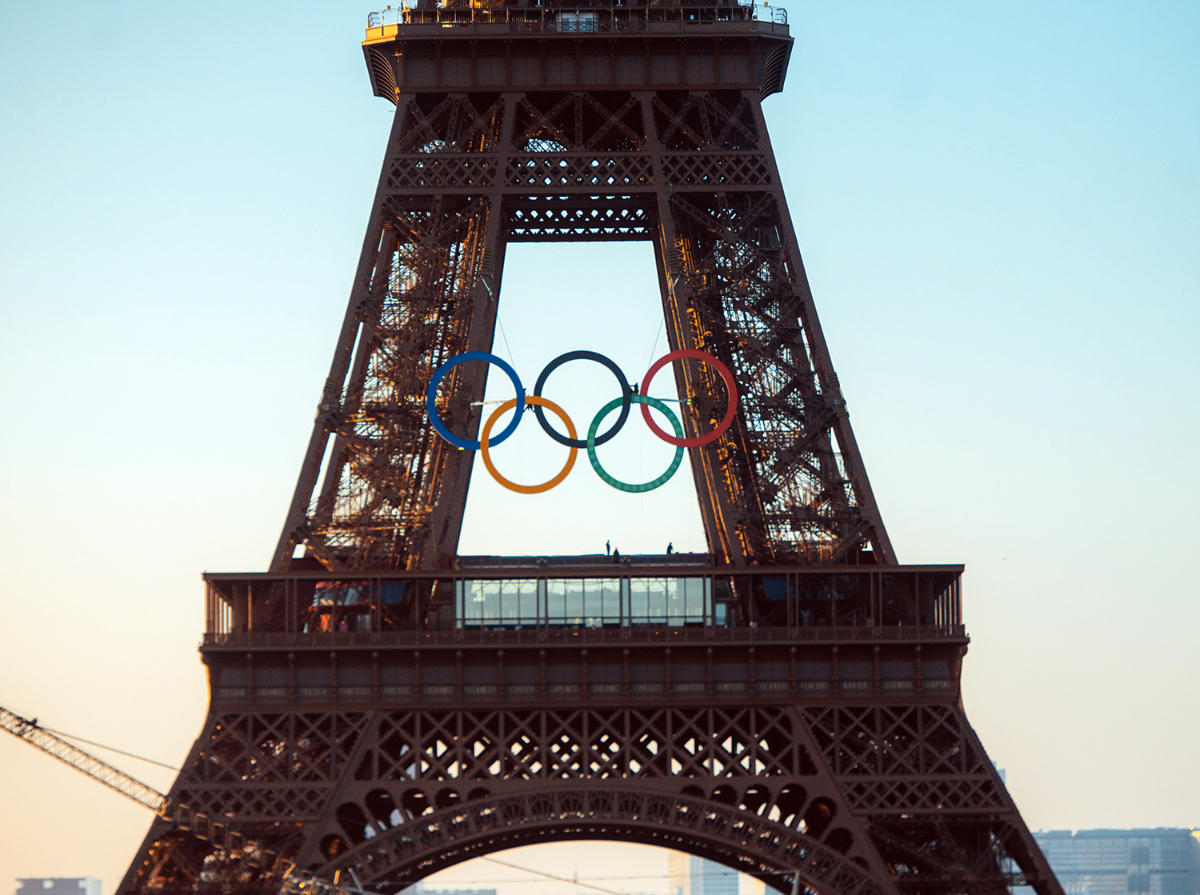
A debate has erupted in Paris following Mayor Anne Hidalgo’s announcement that she plans to keep the Olympic rings on the Eiffel Tower after the Paris Olympics conclude. Hidalgo, who secured the International Olympic Committee’s approval, stated her intention to retain the rings to preserve the festive spirit of the Games.

The rings, measuring 29 meters wide and 15 meters high, were installed for the Games and were originally slated for removal after the Paralympics’ closing ceremony. However, Hidalgo’s proposal to keep them has met with mixed reactions. Some Parisians and visitors appreciate the colorful addition, which they believe enhances the iconic landmark.

Conversely, heritage campaigners and local residents argue that the rings detract from the historical significance of the Eiffel Tower, which was initially criticized when it was built in 1889 but is now a cherished symbol of Paris. Critics argue that the rings, even if replaced by a lighter version in the future, are an unnecessary alteration to the monument.

Hidalgo’s tenure has been marked by other controversial reforms, including pedestrianizing city streets and implementing high parking fees for SUVs. Her latest decision, like her previous policies, underscores her willingness to challenge traditional norms and provoke public debate.
Australian Breaker Raygun Praised for Courage and Creativity After Viral Paris Olympics Performances

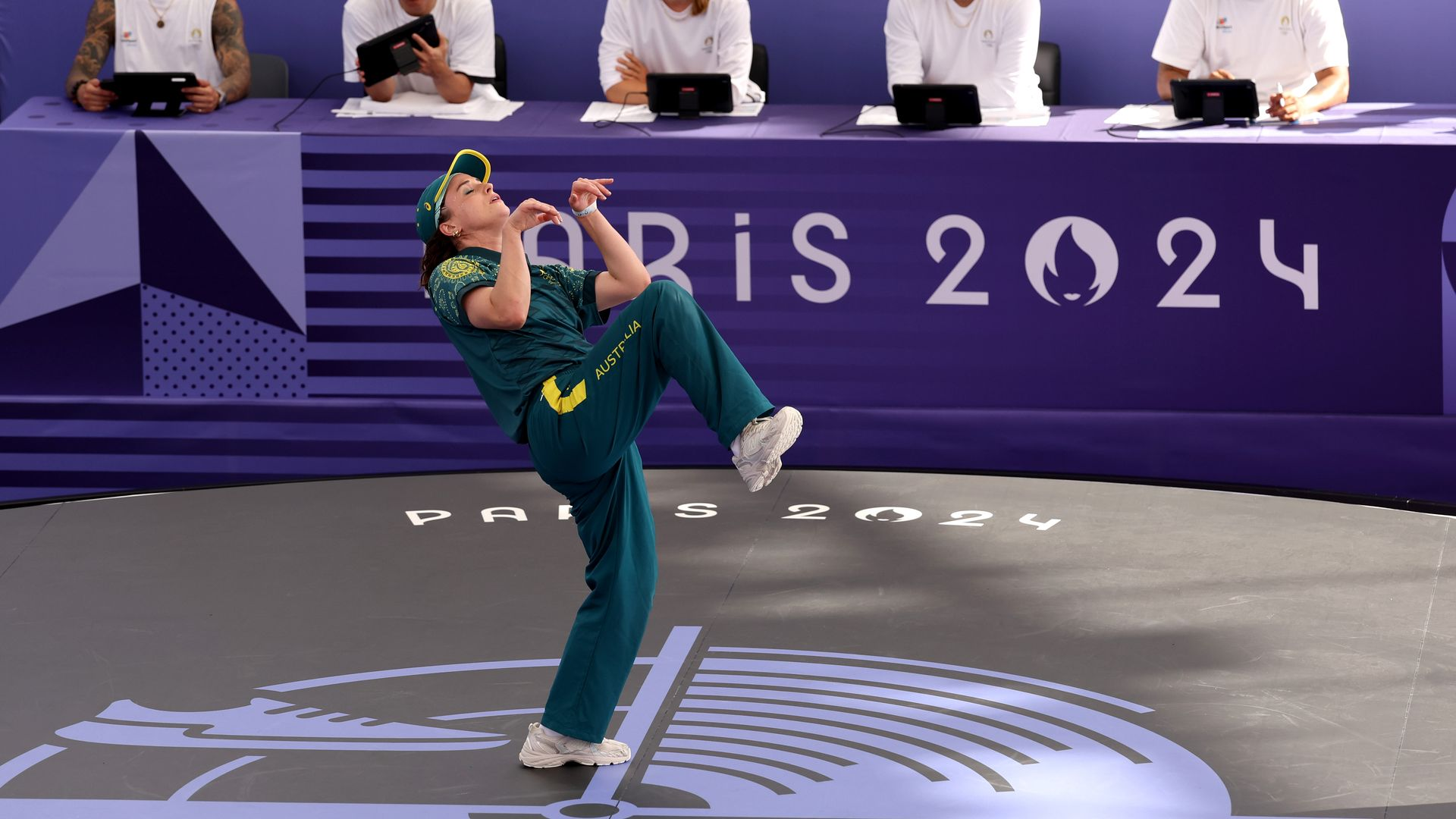
Rachael Gunn, known in the breaking world as B-girl Raygun, has garnered widespread attention and acclaim for her performances at the Paris Olympics, despite not scoring points in her battles. At 36, Gunn balances her role as a university lecturer in Sydney with her breakdancing career, making her Olympic debut as part of the first-ever inclusion of breaking at the Games.

Competing at the Place de la Concorde, Raygun showcased a series of original moves, including a kangaroo hop and various floor contortions, against formidable opponents from the USA, France, and Lithuania. Though she lost all her battles 18-0, her performances have sparked a mix of criticism and admiration online. Some viewers found her routines amusingly unconventional, while others, including singer Adele, questioned the seriousness of the competition.

Despite mixed reactions, Raygun remains committed to her craft. Her performances reflect a deep dedication to originality and artistic expression. “Creativity is really important to me,” she said. “I go out there and show my artistry. Sometimes, it speaks to the judges, and sometimes, it doesn’t.”

Supporters, including Martin Gilian, the chief breaking judge at the Olympics, praised Raygun for her unique approach. “She represented breaking and hip-hop with originality,” Gilian noted. Sergey Nifontov of the World DanceSport Federation expressed concern over the social media backlash, emphasizing the importance of respecting all competitors in the dance community.

Gunn, who started breaking competitively in her mid-20s, faced younger B-girls in Paris and described the experience as a privilege. Her journey from being the only woman in a male-dominated sport to representing Australia at the Olympics was highlighted by Anna Meares, Australia’s chef de mission. Meares lauded Gunn’s courage and dedication, despite the criticism she faced.

Breaking, which emerged in New York City in the 1970s as part of hip-hop culture, has gained global popularity and was included in the Olympic program to attract younger audiences. However, breaking will not be featured in the 2028