Yazılar

Harris and Trump Make Final Push in Battleground States as Election Day Nears

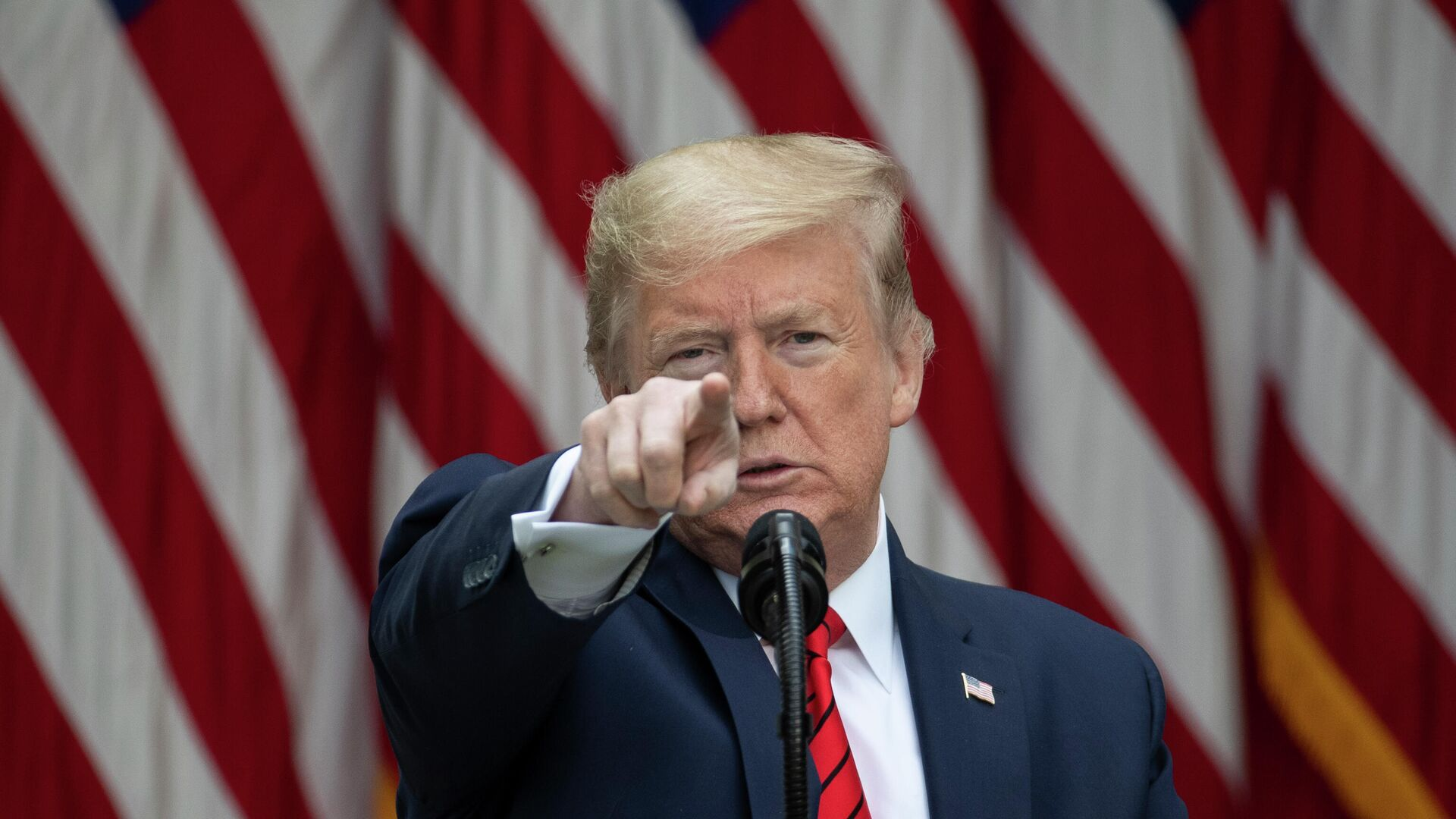
With only days left until the election, Democratic candidate Kamala Harris campaigned in Michigan on Sunday, while Republican candidate Donald Trump focused on eastern battleground states, hoping to secure votes from key demographics. Polls reveal an intensely close race, with both campaigns uncertain about the outcomes in seven critical states that could decide the election.

Notably, a recent poll suggested Harris is leading in Iowa—a state Trump comfortably won in previous elections—raising the possibility of unexpected results. However, another poll shows her trailing there, indicating that the race remains fluid. In Michigan, a state deemed essential for Democrats, Harris campaigned in East Lansing, a college town with significant electoral weight. However, she faces skepticism from Michigan’s sizable Arab American community, which numbers around 200,000. Many in this group express frustration that the vice president has not done more to address the war in Gaza or reduce U.S. aid to Israel. Trump, who visited Dearborn on Friday, home to Michigan’s Arab American community, pledged to end U.S. involvement in Middle Eastern conflicts.

Trump’s Sunday itinerary includes rallies in three smaller cities: Lititz, Pennsylvania; Kinston, North Carolina; and Macon, Georgia. Each stop targets rural voters, who remain a core part of his base. Notably, it is the first day since last Tuesday that Harris and Trump will not campaign in the same state. On Saturday, their paths intersected in Charlotte, North Carolina, with both candidates holding rallies at the same airport. Harris later appeared on “Saturday Night Live” in a surprise New York appearance.

In her closing campaign messages, Harris has been focused on addressing inflation, promising voters she will tackle the cost-of-living issues that have burdened Americans in recent years. She has also criticized Trump as divisive and dangerous, calling on voters to reject his approach to politics. “We have an opportunity in this election to turn the page on a decade of Donald Trump trying to keep us divided and afraid of each other. We’re done with that,” Harris said in Charlotte.

Trump, on the other hand, has targeted Harris over her role as vice president, pointing to the current administration’s challenges with inflation and immigration. On Saturday in Greensboro, North Carolina, he framed these issues as threats to American stability, declaring that illegal immigrants would only receive “a free ride back home.”

With an estimated 75 million votes already cast, nearly half of the total turnout from the 2020 election, early voting has been robust. However, a clear result may not emerge immediately, as several states, including Pennsylvania, may require additional time to count mail-in ballots.
 

Elon Musk’s $1 Million Voter Lottery Lawsuit Returned to State Court

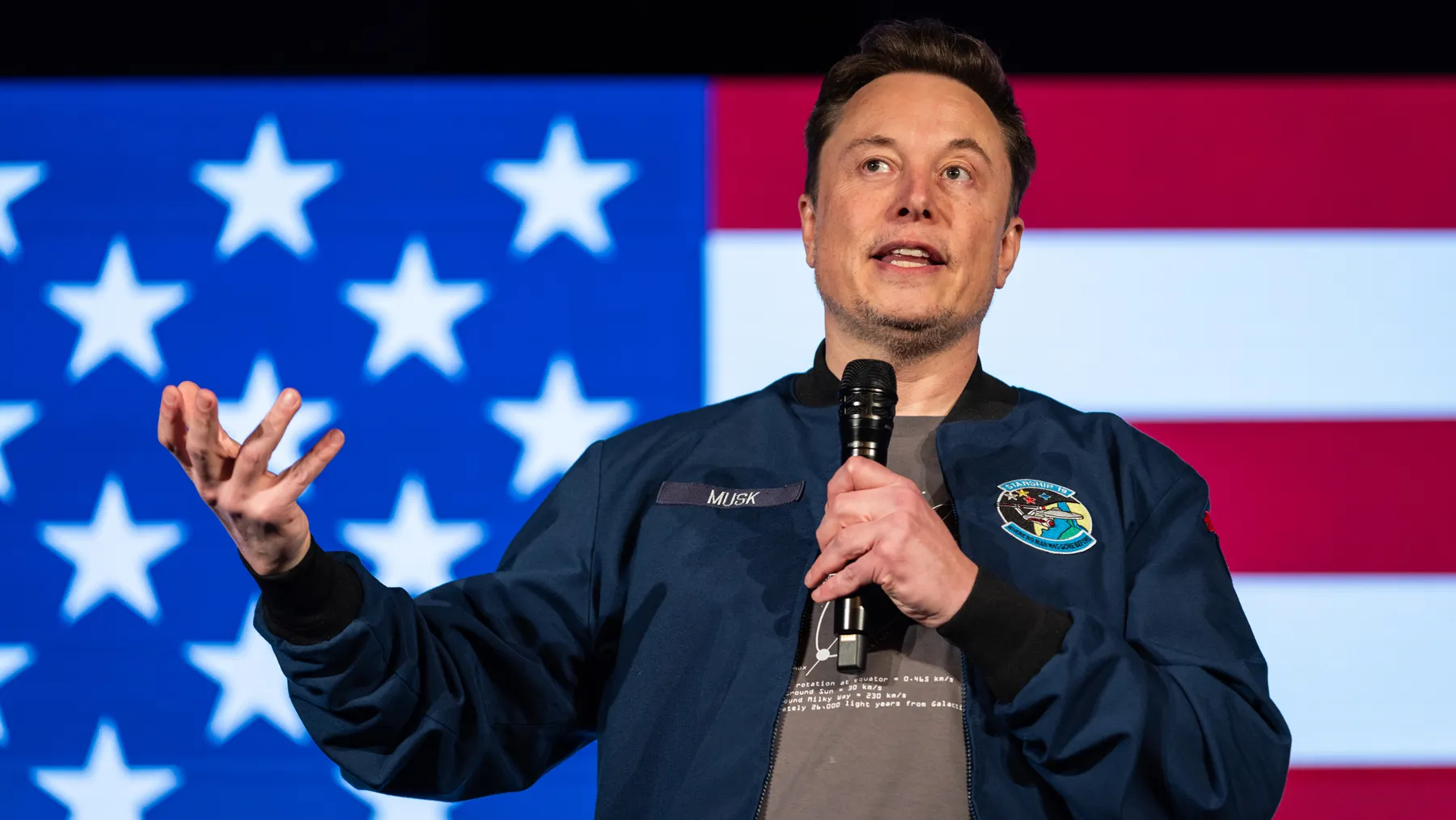
A federal judge in Pennsylvania has sent back to state court a lawsuit against Elon Musk and his political action committee (PAC) regarding a controversial $1 million daily lottery for registered voters. The ruling came on Friday, following Philadelphia District Attorney Larry Krasner’s request to halt the prize giveaways ahead of the upcoming presidential election.

Krasner’s office claims that Musk and his America PAC are running an illegal lottery designed to sway voters in the election between Donald Trump and Kamala Harris. They allege that the lottery violates state consumer protection laws and is aimed at influencing the electoral process.

The case was initially filed in the Philadelphia County Court of Common Pleas, but Musk’s team moved it to federal court, claiming jurisdiction due to its connection with the presidential election. However, U.S. District Judge Gerald Pappert ruled that the lawsuit should be handled in state court, stating that the legal issues raised are rooted in state law, not federal law. “Federal question jurisdiction does not turn on a plaintiff’s motivations in filing suit; it turns on whether the legal issues arising from the claims originate in federal or state law,” Pappert wrote.

In response to the ruling, Krasner’s office noted that the judge’s decision reaffirmed their position that Musk’s attempt to shift the case to federal court was unlawful. The District Attorney is seeking a hearing on Monday to address his request for an injunction against the lottery.

Musk announced the lottery on October 19, stating that the America PAC would randomly award $1 million daily until Election Day to registered voters in seven swing states, including Pennsylvania, who signed a petition supporting the U.S. Constitution. The first winners of the lottery were reportedly from Pennsylvania.

Following Krasner’s lawsuit, Musk was ordered to appear for an emergency hearing in the state court, but his legal team had already filed to move the case to federal jurisdiction. After Musk did not attend the scheduled hearing, Judge Angelo Foglietta indicated that the case could not proceed in state court due to its removal to federal jurisdiction.

Musk’s attorney, Matthew Haverstick, subsequently filed a motion to quash the order requiring Musk’s appearance, arguing that the request was intended to “harass and oppress” Musk during a critical election period. Haverstick contended that the District Attorney’s actions were an unconstitutional attempt to limit Musk’s First Amendment rights.


Biden Criticizes Elon Musk’s Immigration Hypocrisy at Pennsylvania Campaign Event

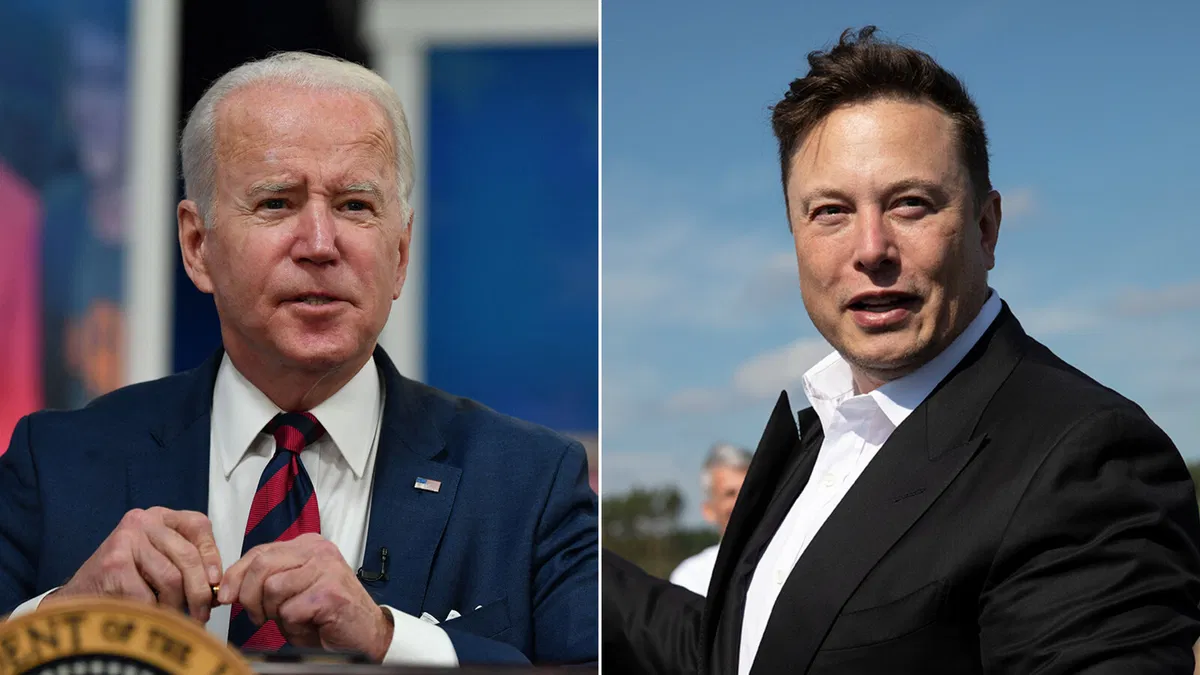
During a campaign event in Pittsburgh, Pennsylvania, President Joe Biden publicly criticized Elon Musk, CEO of Tesla and SpaceX, for his perceived hypocrisy regarding immigration policies. Biden referred to Musk’s early career in the U.S., stating that he began as an “illegal worker” before amassing his wealth. This remark comes amidst Musk’s increasing alignment with former President Donald Trump and his campaign efforts.

Biden’s comments highlighted Musk’s past, stating, “The wealthiest man in the world turned out to be an illegal worker here when he was here.” He elaborated that Musk was in violation of his student visa, as he was not attending school during his initial time in the U.S. Instead, he began developing his first startup, Zip2, without the necessary work authorization.

Key Points from Biden’s Remarks

  • Hypocrisy on Immigration: Biden criticized Musk for speaking against undocumented immigrants while having violated U.S. immigration laws himself.
  • Border Policy Context: The President also took the opportunity to address broader immigration issues, asserting that the number of illegal crossings at the border is lower than during Trump’s presidency. He accused Trump and Republicans of failing to address the immigration system effectively.

Musk’s Recent Activities

Musk has been actively campaigning for Trump in Pennsylvania, including hosting town hall events and distributing lottery-style prizes to incentivize voter participation in his pro-Trump group, America PAC. His recent activities have sparked discussions about his influence on swing state voters and his political alliances.

Legal Background

A Washington Post report corroborated Biden’s remarks, detailing how Musk worked in the U.S. before securing a work visa in 1996. The report noted concerns from investors about Musk’s immigration status, which prompted them to support his visa application. Musk, originally intending to pursue graduate studies at Stanford, ultimately founded Zip2, which sold for approximately $300 million in 1999, paving the way for his subsequent ventures.

Criticism of Trump’s Immigration Policies

Biden also contrasted Musk’s wealth and influence with Trump’s immigration proposals, which include plans for significant deportations and revoking visas for specific groups. This dialogue underscores the ongoing tensions surrounding immigration policy in the U.S. and the contrasting views of the two political figures.

Misinformation on Voting

In addition to his immigration stance, Musk has propagated claims regarding noncitizen voting, which Biden highlighted as unfounded. Studies, including those from the Brennan Center for Justice, show that voter fraud is exceedingly rare in the U.S., with misinformation often being a result of errors rather than intentional misconduct.