
Yazılar

Pennsylvania Nuns Falsely Accused of Voter Fraud Speak Out

In Pennsylvania, a Republican canvasser’s claims of widespread voter fraud sparked controversy after he alleged that 53 voters were registered at an address linked to a local Catholic church, yet no one lived there. The truth? Those voters are actually 55 nuns residing at the Benedictine Sisters of Erie.

A Misunderstanding Turns Viral

Cliff Maloney, founder of The Pennsylvania Chase, shared his findings on X, suggesting a scandal of electoral fraud. However, the nuns’ bustling monastery, which has been a community staple since the 1850s, paints a very different picture. Sister Annette Marshall reflected on the absurdity of the situation, stating, “We’ve always been very vocal about peace and justice… But I’ve never heard us accused of fraud.”

The Benedictine Sisters have deep roots in Erie, moving to their current facility in 1969, partly funded by their own musical group reminiscent of “Sister Act.” Their dedication to community service has earned them a respected place in Erie.

Combating Misinformation

Maloney leads a conservative initiative to encourage mail-in voting among Republicans, while also spreading baseless allegations about election security. Local officials are actively countering the misinformation that runs rampant on social media, including Maloney’s accusations. Pennsylvania Secretary of State Al Schmidt publicly commended Sister Stephanie Schmidt for standing up against disinformation.

Maloney did not respond to requests for comment from CNN.

Navigating Election Season

As Pennsylvania approaches another critical election cycle, the eyes of the nation are fixed on Erie County, which has swung between Democratic and Republican candidates in recent elections. Sister Stephanie emphasized that while they encourage voting, the Benedictine Sisters maintain a nonpartisan stance, allowing each sister to vote according to her conscience.

Many sisters have already submitted their ballots, while others plan to vote in person on Election Day. Despite their busy lives—often filled with social work and community involvement—they remain dedicated to participating in the democratic process.

Responding to Accusations

Following Maloney’s claims, the sisters strongly refuted the assertion that they are non-existent. Sister Diane Cook recounted how they would have readily provided a list of residents had the canvasser made an effort to engage with them. “We’re not a group that’s just going to let them walk all over us like that,” she declared.

With rising tensions surrounding mail-in voting and electoral integrity, accusations of fraud can have serious implications. Maloney’s narrative gained traction when retweeted by America PAC, further amplifying the false claims.

A Call for Accountability

The Benedictine Sisters understand the ramifications of social media and have publicly called for Maloney to retract his statement. They expressed that a simple apology could resolve the matter, but Sister Cook remains skeptical of his willingness to acknowledge the error.

“I’d like to get him out here and show him the house and get him to understand what the community does,” she said, underscoring their commitment to transparency and community engagement.
Why Pennsylvania Could Hold the Keys to the White House

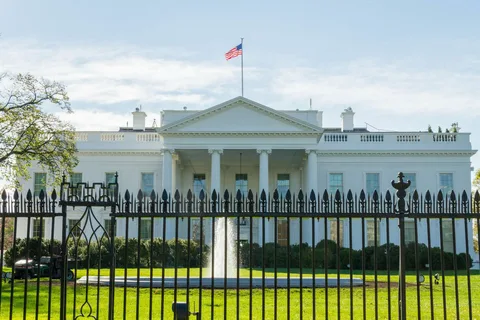
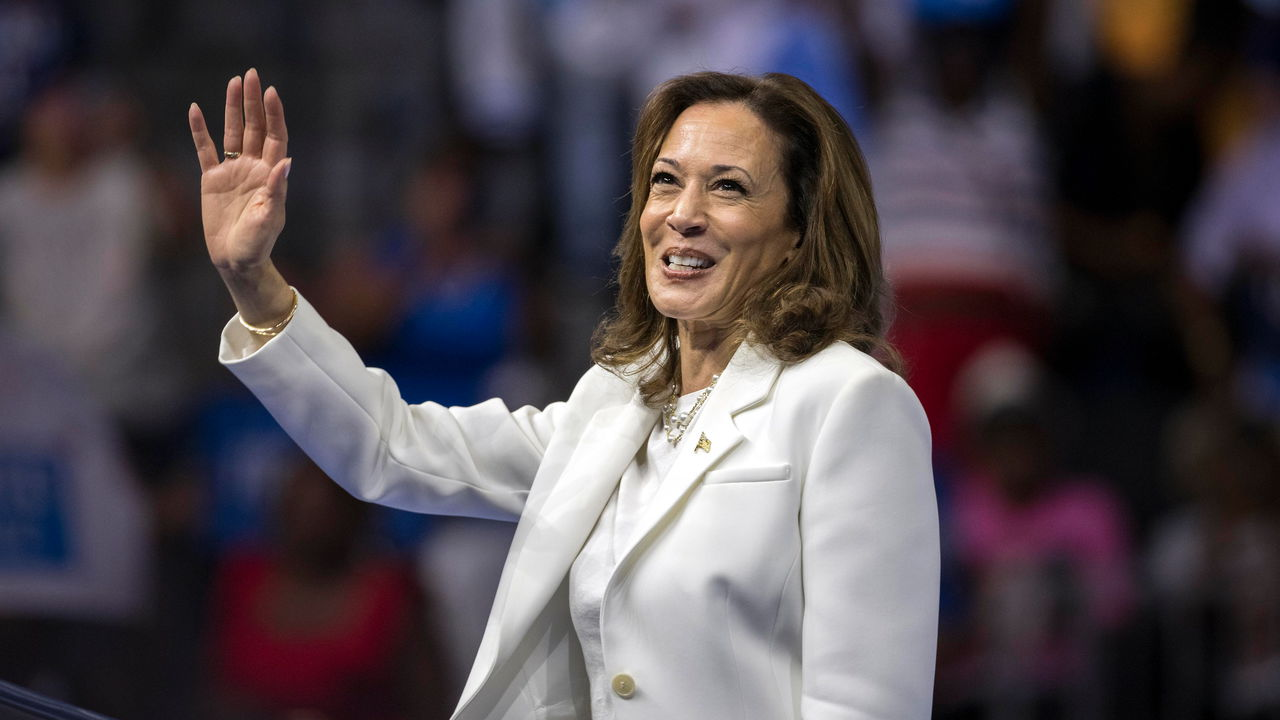
Pennsylvania’s importance in the U.S. presidential election has never been more crucial. With its 19 electoral votes, it stands as a pivotal battleground state that could very well determine the next occupant of the White House. According to political analyst Nate Silver, the candidate who wins Pennsylvania has a 90% chance of winning the presidency. This has led both the Kamala Harris and Donald Trump campaigns to focus heavily on securing a win in this state, as it could tip the balance in the race for the highest office in the U.S.

Pennsylvania is often referred to as the “Keystone State,” not just because of its geographical location but also for its symbolic importance in elections. If Harris manages to win Pennsylvania alongside Michigan, Wisconsin, and one congressional district in Nebraska, she is likely to secure the presidency. On the other hand, if Trump flips Pennsylvania along with North Carolina and Georgia, he could find his way back to the White House.

A Swing State That Mirrors America

What makes Pennsylvania so critical is that it serves as a microcosm of the broader United States. With a diverse economy that includes agriculture, energy, and new industries, as well as a population that is predominantly white but growing in diversity, it reflects the national landscape. Urban areas like Philadelphia and Pittsburgh lean heavily Democratic, while vast rural regions are strongholds for Republicans. The once-reliably conservative suburbs are now trending left, creating a political environment where the balance is constantly shifting.

In recent elections, Pennsylvania has remained fiercely competitive. Joe Biden won the state by just 80,000 votes in 2020, while Trump took it by about 40,000 in 2016. Only once in the last 40 years has a candidate won the state by double digits—Barack Obama in 2008. This ongoing electoral tightrope walk makes Pennsylvania a top priority for both campaigns.

Campaign Strategies for the Keystone State

Both Harris and Trump have been dedicating significant resources to Pennsylvania, spending more on advertising there than in any other swing state. Harris introduced her running mate, Tim Walz, at a rally in Philadelphia, and has spent considerable time campaigning in Pittsburgh, a key city in her electoral strategy. Trump, meanwhile, has held large rallies in Butler and Scranton, targeting areas where he enjoys significant support.

For Harris, the key to victory lies in dominating the urban vote in Philadelphia and Pittsburgh and winning the suburbs by enough to counter Trump’s dominance in rural areas. A big part of her strategy is appealing to moderate Republicans, especially the 160,000 voters who supported Nikki Haley in the state’s Republican primary, held after Trump had already secured the nomination. To this end, Harris is positioning herself as a centrist candidate, seeking to dispel any notions of radical leftism. Craig Snyder, a former Republican staffer, leads the “Haley Voters for Harris” initiative, which aims to win over moderate Republican voters.

Trump’s strategy revolves around maximizing turnout in the rural and conservative parts of Pennsylvania. His campaign has focused on registering new voters and mobilizing those who haven’t participated in past elections. Although Democrats still outnumber Republicans in the state, the margin has narrowed to just a few hundred thousand, the smallest gap since 1998. The Trump campaign also aims to peel away support from traditional Democratic voters, particularly among blue-collar union workers and young Black men, who have shown growing support for Trump in national polls.

The High Stakes of Pennsylvania

Both campaigns understand that winning Pennsylvania is critical. Trump’s team is banking on their grassroots efforts to turn out rural and suburban conservatives, while Harris is hoping to maintain strong support in urban areas and sway moderate Republicans. With the race in the state nearly deadlocked, the outcome in Pennsylvania could ultimately determine who will be sworn in as president in January.


Harris Courts Union Workers in Key Swing States with Biden’s Support Amid U.S. Steel Controversy

On Labor Day, Kamala Harris joined President Joe Biden at a rally in Pittsburgh, aiming to solidify support from union workers in critical battleground states like Pennsylvania and Michigan. The event marked the first joint appearance of Harris and Biden since she officially became the Democratic presidential nominee, underscoring the importance of courting working-class voters, a key demographic also being targeted by her opponent, Donald Trump.

Harris voiced concerns over the potential acquisition of U.S. Steel by Japan’s Nippon Steel, stressing the importance of keeping the historic American company under domestic ownership. “U.S. Steel should remain American-owned and American-operated,” she said, aligning her stance with Biden’s pro-union agenda, which has been central to his presidency.

The labor vote remains a pivotal focus for both the Harris and Trump campaigns as they vie for support in swing states like Pennsylvania, where unionized workers hold significant influence. Trump, who did not make any public appearances on Labor Day, has similarly opposed the U.S. Steel deal, framing it as a threat to American jobs and security. The Harris campaign, however, seized the opportunity to mock Trump for his absence, posting on X that he was likely “golfing.”

Despite a Reuters/Ipsos poll showing Harris leading Trump by a slim margin nationally, the race remains tight, with both candidates ramping up their outreach efforts. While Harris is leveraging her campaign to maintain the momentum from her nomination, Trump continues to attract blue-collar voters with his promises of economic nationalism and job protection.

The backdrop of the Gaza conflict, however, loomed over campaign activities. As Harris and Biden met with U.S. hostage negotiation teams in Washington, their administration faced criticism for its approach to the Gaza ceasefire negotiations. Pro-Palestinian activists, opposing U.S. support for Israel, staged large protests, raising the potential for more demonstrations along Harris’s campaign trail in the weeks ahead.

With both campaigns seeking to capture the labor vote while navigating the complexities of international conflicts, the election remains fraught with challenges that could sway voters in unexpected ways.