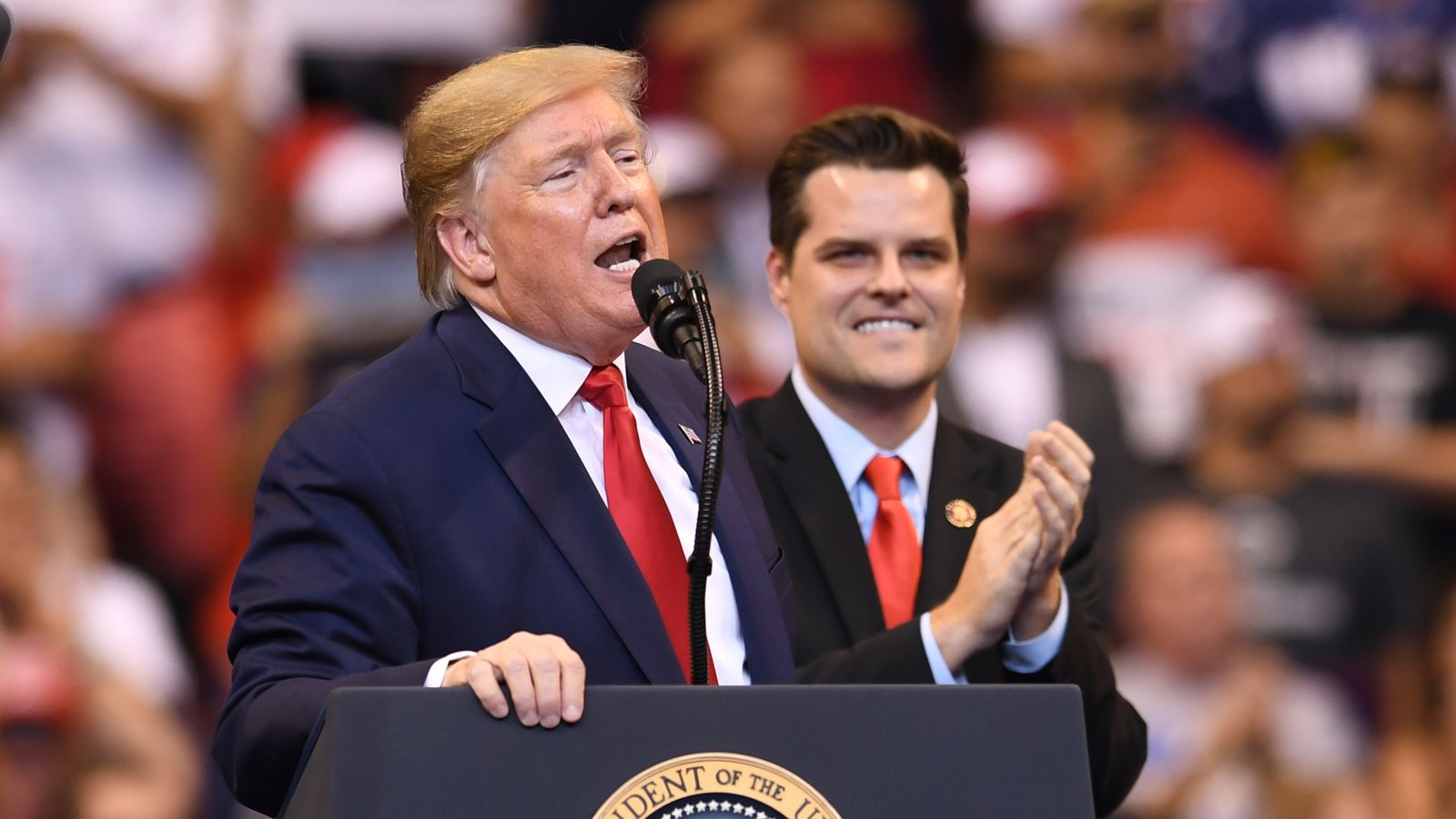
Trump Nominees Gaetz and Hegseth Ready to Shake Up Agencies
Trump’s Cabinet Picks: Gaetz and Hegseth Eye Major Reforms
President-elect Donald Trump’s cabinet picks for Attorney General and Pentagon chief—Matt Gaetz and Pete Hegseth—bring a combative attitude to their nominations, both motivated by grievances against the institutions they are set to lead. Gaetz, nominated for Attorney General, and Hegseth, tapped for Defense Secretary, have both faced significant personal and professional conflicts with the agencies they aim to transform.
Gaetz’s Rejection of DOJ and Hegseth’s Military Grievances
Matt Gaetz, 42, was nominated after resigning from his congressional seat. Gaetz, who faced a federal investigation into sex trafficking charges—though no charges were ultimately filed—has expressed disdain for the Justice Department. His stance includes a proposal to dismantle key federal agencies like the FBI and ATF, which he has described as “weaponized.” Gaetz’s commitment to restructuring the Department of Justice aligns with Trump’s broader mission of reforming the federal government.
Meanwhile, Pete Hegseth, 44, a former National Guard officer, has criticized the military leadership, particularly after being allegedly told to step down from guard duty during Biden’s inauguration due to concerns over his tattoos. Hegseth feels sidelined by the military, despite his decorated service. His views on military reform include opposing efforts to diversify the Armed Forces and barring women from combat roles. Hegseth’s military background and his grievances against the Pentagon are expected to influence his approach to the department.
Activism and Vindication: Gaetz and Hegseth’s Motivations
Both Gaetz and Hegseth have expressed a desire for significant reforms, driven in part by personal experiences of rejection and a belief that the institutions they would lead need to be overhauled. Their activism is seen as aligning with Trump’s promise to disrupt Washington and shake up the bureaucratic establishment.
“They are pledging a disruptive level of activism targeted directly at the departments they are being asked to oversee,” said David Jolly, a former Republican congressman. This disruption is a central tenet of Trump’s second term agenda, which includes purging what he sees as political adversaries and changing the status quo.
Confirmation Battle and Senate Relationship
The nominations of Gaetz and Hegseth may test Trump’s relationship with the newly elected Republican-majority Senate. Some senators may challenge the confirmation of nominees with controversial backgrounds, and Trump has hinted at using “recess appointments” to bypass the Senate if necessary.
“The threat level with Matt Gaetz is considerable,” said Columbia University criminal law professor Daniel Richman, citing concerns that Gaetz could use the Justice Department to target political enemies. Gaetz’s confirmation would likely signal a strong shift toward Trump’s revenge-driven agenda, with support from loyalists within the agency.
Hegseth’s Pentagon role could see him implementing purges of military leaders who disagree with Trump’s policies, particularly those involved in the 2021 withdrawal from Afghanistan. Trump’s transition team is already drawing up plans to overhaul Pentagon leadership and push for firings.