
Yazılar

Polish Police Investigate Mysterious Discovery of Bronze Age Artifacts

Authorities in Poland have initiated an investigation following the unexpected emergence of over 100 Bronze Age artifacts in the northwest region of the country. This remarkable collection includes weapons, bronze spearheads, necklaces, and shield bosses, all of which have raised questions about their origin and the circumstances of their discovery.

Discovery and Investigation

The investigation began when photographs of the artifacts were shared with the Provincial Heritage Protection Office in Szczecin. In a statement released by the West Pomeranian Police, it was revealed that an art-theft investigator located the individuals responsible for sharing the photos. They disclosed that the artifacts had been anonymously left outside a local historical association in the town of Gryfino.

Upon receiving the items, the historical association promptly transferred them to the Provincial Heritage Protection Office, which subsequently reported the case to the authorities, highlighting a potential crime of finding treasure without the required permissions.

Implications of the Discovery

According to police statements, the treasure was allegedly obtained through illegal searches, leading to its excavation and the complete loss of its archaeological context. This loss poses significant challenges for conducting accurate radiocarbon dating, hindering efforts to establish the artifacts’ historical timeline.

“This is one of the largest treasures found in Poland in recent years,” noted the police, emphasizing the significance of the find amidst the context of Polish archaeology.

Legal Consequences

The individuals responsible for the illegal excavation could face severe penalties, including up to eight years in prison. This case underscores the importance of adhering to legal protocols in archaeological discoveries and the protection of cultural heritage.

Current Status of the Artifacts

The artifacts have been transferred to the Provincial Heritage Conservator’s Office in Szczecin, which will ultimately determine the future housing and exhibition of these significant historical items.

Conclusion

The mysterious surfacing of these Bronze Age artifacts has not only sparked an investigation by Polish authorities but also raises awareness about the illegal excavation and the importance of preserving archaeological integrity. As the investigation unfolds, the fate of these artifacts remains uncertain, but their discovery serves as a reminder of the rich history lying beneath Poland’s surface.
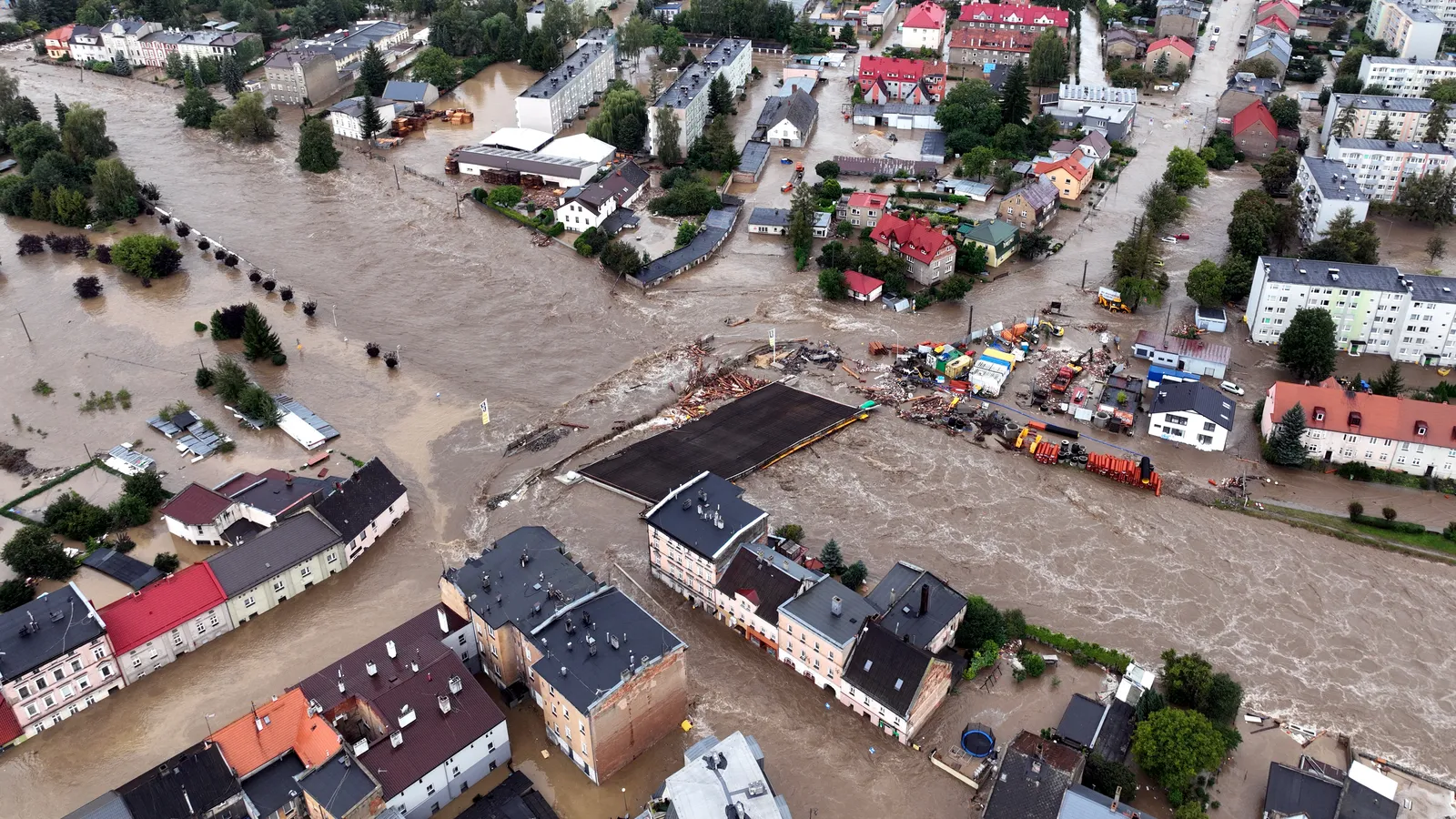
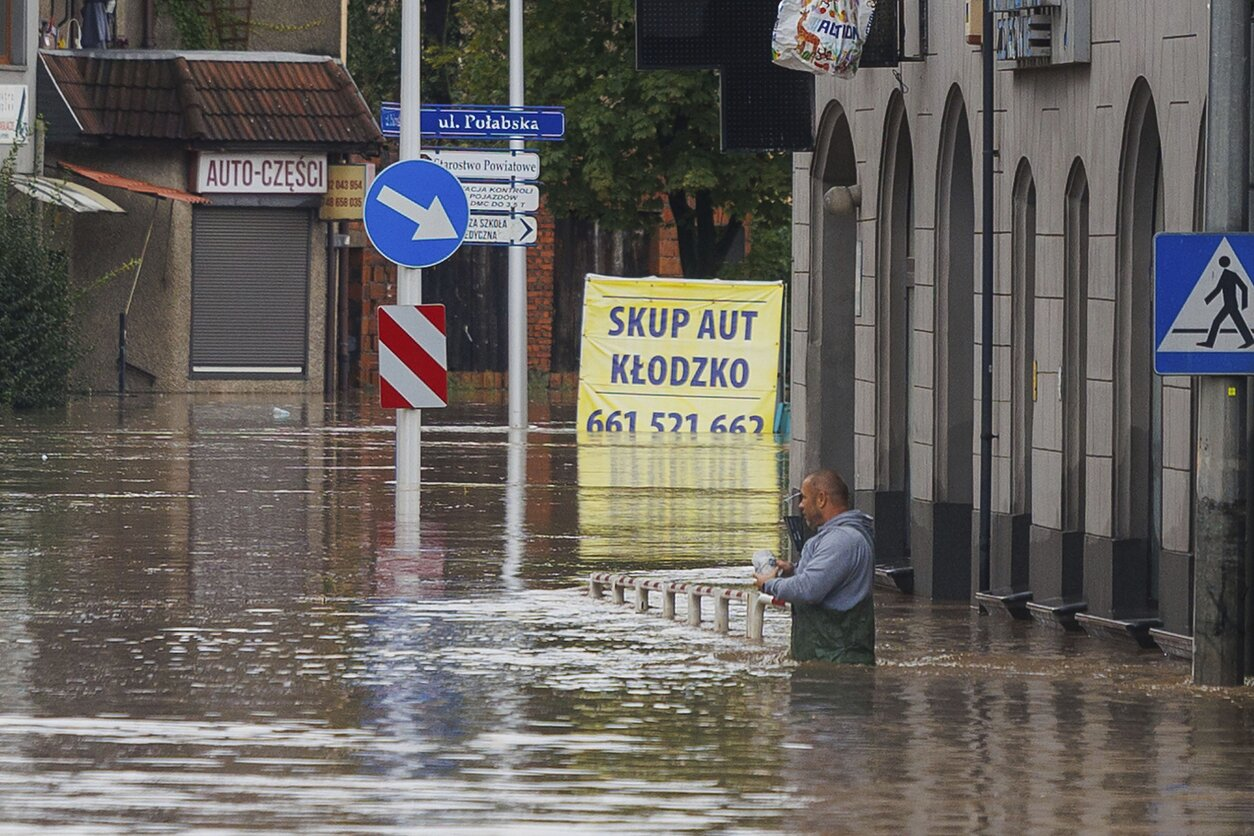
Central Europe Races Against Time as Floods Threaten More Areas

Emergency crews and volunteers worked tirelessly through the night in the Polish city of Wroclaw, preparing defenses against looming floodwaters. As the region braces for the worst flooding in two decades, Hungary has also taken drastic measures, opening a dam to relieve pressure as Prime Minister Viktor Orban warned of a “crucial period” ahead.

The floods, which have wreaked havoc from Romania to Poland, have caused widespread destruction, inundating towns, destroying infrastructure, and submerging vehicles. The financial toll from the damage is expected to run into billions of dollars.

Polish Prime Minister Donald Tusk addressed the crisis in Wroclaw, noting the urgent need for updates from the hardest-hit areas, such as Lewin Brzeski, where residents waded through waist-high water or sought refuge on rooftops. Meanwhile, in Hungary, authorities opened a dam in the northwest to divert the Lajta river’s waters into emergency reservoirs, sacrificing agricultural land to protect urban centers like Mosonmagyarovar. The Danube River, swollen from heavy rains, is expected to crest in Budapest later this week, potentially reaching over 8.5 meters.

Prime Minister Orban emphasized the gravity of the situation across Central Europe, with many areas experiencing the severe effects of torrential rainfall. Drone footage from northern Hungary captured the village of Venek submerged under floodwaters, a stark reminder of the increasing threats posed by climate change.

In the Czech Republic, water levels have started to recede, though several rivers in southern Bohemia are still peaking. Cleanup efforts are underway in the worst-hit areas, including sections of the critical railway line between Prague and Ostrava, part of the Vienna-Warsaw route, which remains out of service.

Czech Finance Minister Zbynek Stanjura announced plans to amend the national budget to provide flood relief, estimating potential costs to be as high as $4 billion, although the full scope of the damage is still unclear.


Floods Claim More Lives as Torrential Rain Pounds Central Europe

The death toll from widespread flooding in central Europe reached eight on Sunday, as torrential rains continued to cause devastation across the region. Thousands were forced to evacuate their homes in the Czech Republic, where rivers overflowed after days of relentless downpours. The severe weather, triggered by a low-pressure system named Boris, has brought some of the worst flooding in nearly three decades, particularly affecting areas in the Czech Republic and Poland.

The heavy rains, which are forecast to continue until Monday, have already wreaked havoc, with thousands of homes damaged, bridges washed away, and power outages affecting approximately 250,000 households, mostly in the Czech Republic. In Poland, one person drowned on Sunday, while in Austria, a firefighter involved in rescue efforts was tragically killed. In Romania, four people lost their lives on Saturday, and two more fatalities were reported on Sunday.

Lower Austria, the province surrounding Vienna, has been declared a disaster zone following the death of the firefighter. Authorities are urging residents to avoid non-essential travel due to the dangerous conditions. In Poland, two bridges collapsed, one in the historic town of Glucholazy and another in the mountain town of Stronie Slaskie, where a dam burst, further complicating rescue efforts.

Polish Prime Minister Donald Tusk announced plans to declare a state of disaster and request European Union aid to help with the recovery. Meanwhile, in the Czech Republic, emergency services are continuing to search for three individuals who were swept away in their car near the village of Lipova-lazne. The area has experienced nearly 500 mm (19.7 inches) of rainfall since Wednesday, causing severe damage to homes and infrastructure.

Locals in the Czech Republic described the current flooding as worse than the devastating floods of 1997. Residents of some areas, such as the village of Visnova, are bracing for further flooding, as waters from nearby mountains are expected to flow into the region within hours. Emergency crews, including helicopter teams, have evacuated over 10,000 people in the Czech Republic alone.

In Hungary, officials in Budapest have raised forecasts for the Danube River to reach dangerous levels later this week, nearing the record set in 2013. As rain subsides in Romania, recovery efforts are underway, with workers restoring power to around 11,000 homes and beginning the cleanup process. However, many residents, like Victoria Salceanu from the village of Slobozia Conachi, are left devastated by the destruction of their properties.