As Musk Gains Influence, Questions Hover Over U.S. Probes into His Empire
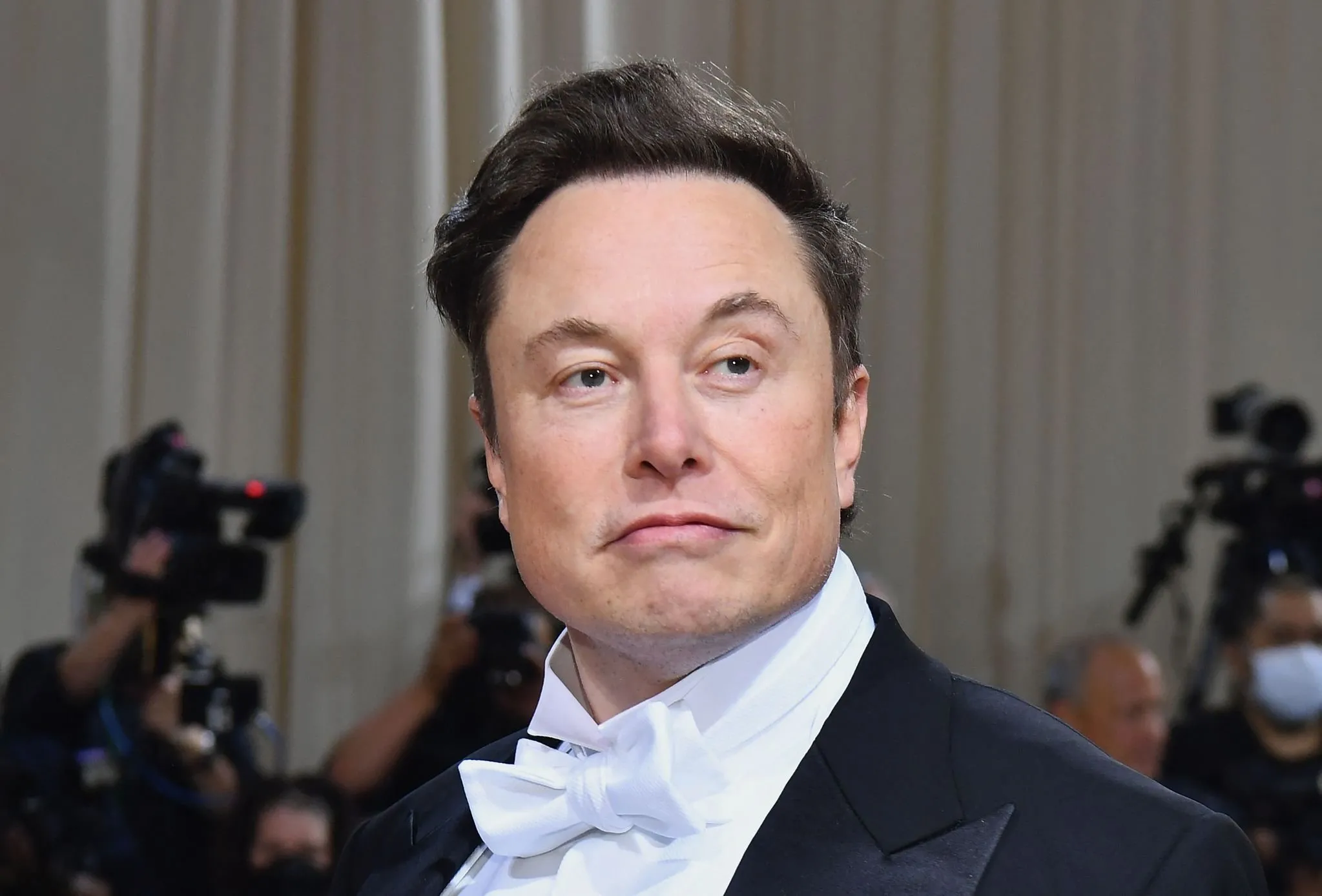
In the final days of the Biden administration, the U.S. Securities and Exchange Commission (SEC) gave Elon Musk a tight deadline to settle or face civil charges related to alleged securities violations during his $44 billion acquisition of Twitter in 2022. Musk broke the news on social media, posting a sarcastic comment aimed at SEC Chair Gary Gensler, questioning the motives behind the ultimatum and hinting at potential political influences.
The SEC is far from the only agency scrutinizing Musk’s business empire. Musk has long criticized government oversight, positioning himself as a victim of regulatory overreach hindering his companies’ innovations. With the imminent inauguration of Donald Trump, Musk’s influence over the U.S. government has raised concerns about how ongoing federal investigations into his companies—SpaceX, Tesla, and Neuralink—might be handled.
At least 20 investigations are reportedly ongoing into Musk’s companies, ranging from security violations related to Tesla’s Autopilot system to alleged animal-welfare violations at Neuralink. Despite these investigations, the approaching Trump administration has prompted questions about whether the probes might be dropped or sidelined due to Musk’s relationship with Trump.
Musk’s close ties with Trump are evident—he has called himself Trump’s “first buddy,” visited Trump’s Mar-a-Lago estate, and publicly supported his political appointments. Trump has even appointed Musk to co-lead a private advisory group on government efficiency, which Musk has said could help reshape national driverless-vehicle regulations to benefit Tesla.
Concerns Over Political Interference
The potential for political interference has become a topic of debate. While some experts suggest that prosecutors may still push forward with investigations if they have sufficient evidence, others argue that lower-level officials could avoid aggressive prosecution to appease the incoming administration. In particular, Trump’s DOJ appointments, many of whom have defended him in the past, could exercise discretion to protect Musk’s companies.
Tesla, SpaceX, and Neuralink have all faced their own legal hurdles. For Tesla, a DOJ investigation is looking into whether Musk and Tesla misled investors by exaggerating the self-driving capabilities of their vehicles. Meanwhile, SpaceX faces scrutiny over pollution and regulatory violations, with the Environmental Protection Agency (EPA) and the Federal Aviation Administration (FAA) taking action.
Despite this, SpaceX has largely avoided major regulatory challenges due to its extensive contracts with NASA and the U.S. government, which have outsourced much of the nation’s space exploration to Musk’s company.
Musk’s reported contacts with Russian President Vladimir Putin also raise concerns, but it is unlikely that the Trump administration will scrutinize these interactions, given Musk’s ties to the incoming administration and the fact that he has worked closely with Jared Isaacman, a tech entrepreneur who is now involved with NASA.
Ongoing Scrutiny and Potential Shifts
As Trump prepares to take office, the future of federal probes into Musk’s companies remains uncertain. While some experts downplay the risk of political interference, others warn that the shift in power could influence how aggressively the investigations move forward.