Yazılar

Key Opposition Leader in Japan Admits to Affair Amid Political Shift

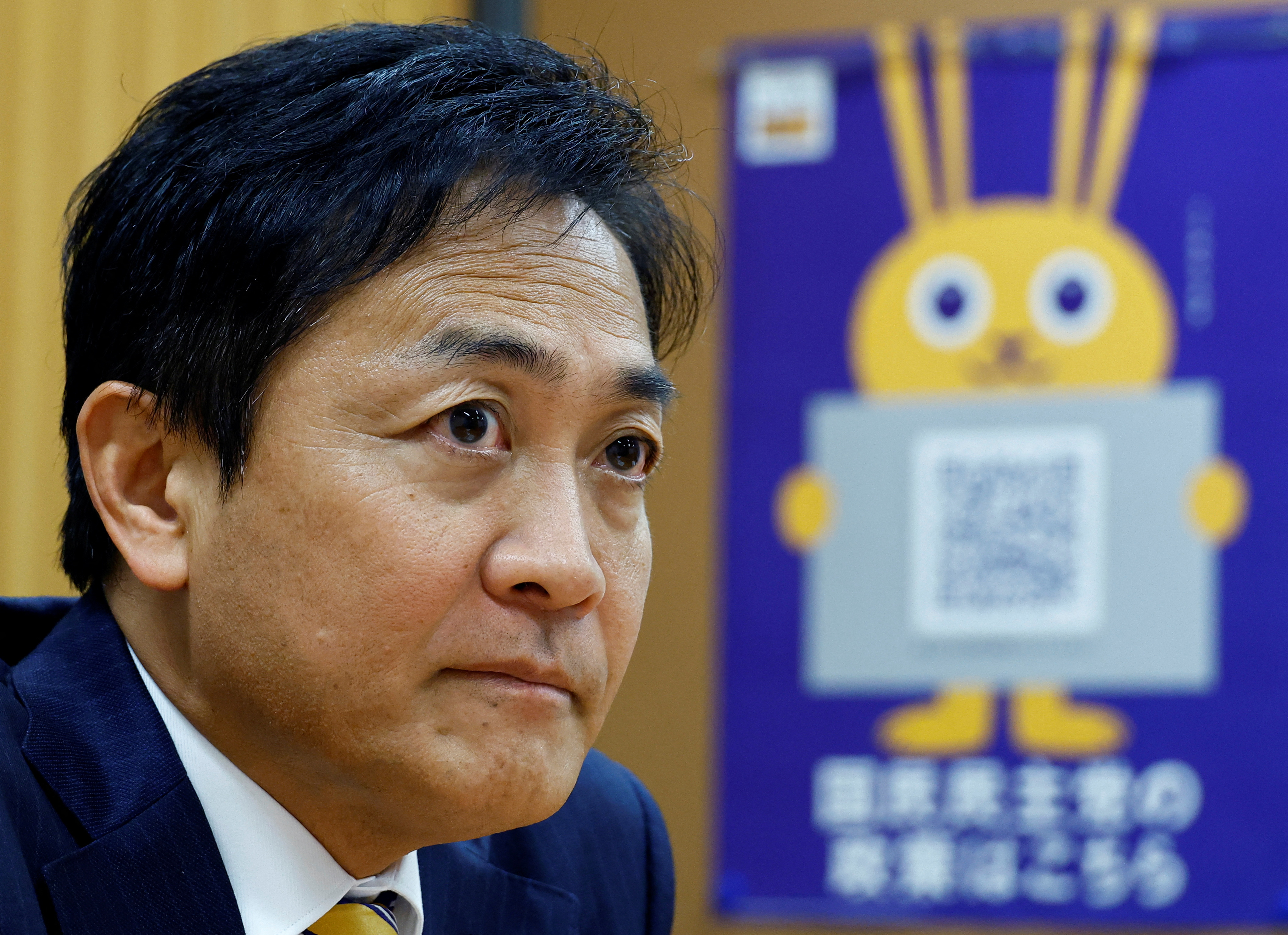
Yuichiro Tamaki, leader of Japan’s Democratic Party for the People (DPP), admitted on Monday to an extramarital affair reported by the tabloid SmartFlash, potentially complicating his role as a critical power broker in Japan’s evolving political landscape. The affair, involving a 39-year-old model and entertainer, was documented by the tabloid with photos of Tamaki, 55, meeting the woman in both July and October. At an impromptu news conference, Tamaki acknowledged the report, stating, “The facts reported this morning are basically true,” and apologized publicly for the situation.

Despite the scandal, Tamaki has retained full support from his party members to remain as leader, according to DPP Secretary General Kazuya Shimba. In response to the affair, Tamaki shared a personal message from his wife, who had emphasized the importance of loyalty: “You can’t protect the country if you can’t protect the person closest to you.” He expressed regret and commitment to move forward, promising to “reflect on my action and do my best to work in a way that is in the best interests of the country.”

This revelation comes at a pivotal time in Japanese politics as lawmakers prepared for a special parliamentary session on Monday to decide if Prime Minister Shigeru Ishiba should continue in his role. Ishiba’s ruling coalition lost its lower house majority in last month’s election, diminishing his mandate but leaving his party with the largest seat bloc. While Tamaki’s DPP had initially signaled they would not support Ishiba in Monday’s vote, the party is open to collaborating with the ruling Liberal Democratic Party (LDP) on specific policy initiatives.

As Ishiba contends with a fragile minority government, Tamaki’s DPP emerges as a potential ally for pushing key legislation, even amid the turbulence caused by his personal controversy.
 

Climate Protesters Face Harsh Prison Sentences as UK Courts Equate Activism with Violent Crime

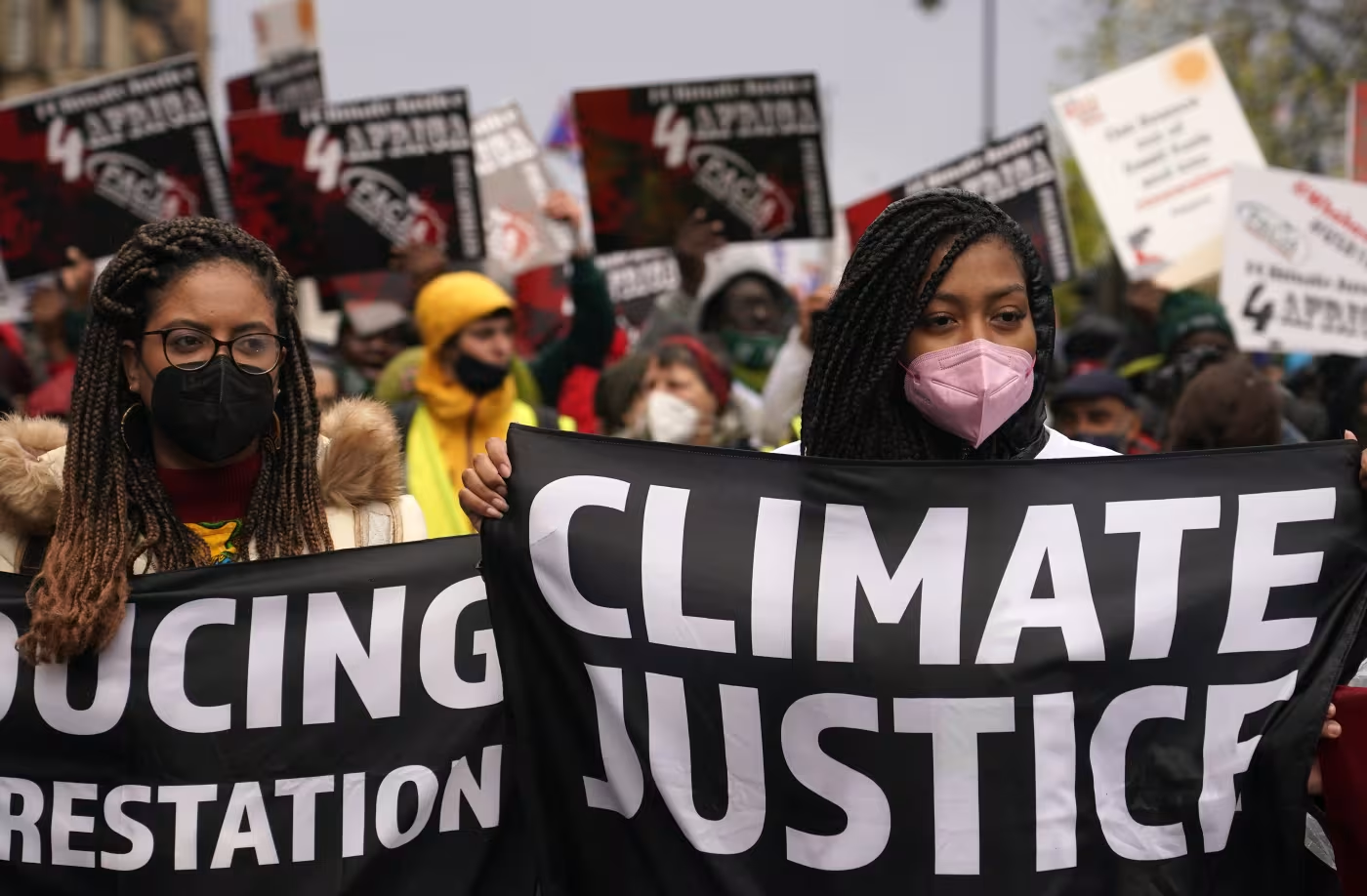
While right-wing rioters recently caused chaos in UK communities, 22-year-old climate activist Cressie Gethin spent time in a prison cell. Her crime? Organizing protests against new oil-drilling licenses in the North Sea, where she and fellow activists disrupted traffic on the M25. Convicted of “conspiring to cause a public nuisance,” Gethin and three other Just Stop Oil members now face four-year prison terms, with co-founder Roger Hallam sentenced to five years.

These sentences, the longest ever for non-violent protests in the UK, were handed down under newly implemented laws aimed at curbing disruptive protests. The laws place organizing such demonstrations on par with violent crimes like robbery, a shift that alarms human rights groups.

The activists argue their actions were necessary to highlight the climate emergency, but the court and government have taken a hard line. Gethin, writing from prison, said, “A harsh sentence like this doesn’t make sense morally or legally, but it does politically.”

Controversial New Laws

The Public Order Act 2023 and the Police, Crime, Sentencing and Courts Act 2022 have expanded police powers, giving authorities more tools to arrest and sentence protesters. These laws were directly influenced by reports from right-wing think tanks like Policy Exchange, which has ties to fossil fuel companies, including ExxonMobil.

Despite pledges to transition to a net-zero economy by 2050, the UK government has continued issuing oil-drilling licenses, contrary to recommendations by climate scientists. This policy has sparked protests like those organized by Just Stop Oil, and now, activists face criminalization on a large scale, with over 3,000 arrested since 2022.

Picture background

Public Reaction and Global Concerns

Amnesty International and other civil rights groups have condemned the new laws, calling them a sign of creeping authoritarianism. Critics argue that peaceful protest is being penalized on par with violent acts, with climate protesters facing sentences similar to those for robbery or rape. The UN’s Michael Forst, special rapporteur on environmental defenders, criticized the sentences, calling them “punitive and repressive.”

Despite the public outcry, the Labour government has yet to review the laws, which were introduced under the Conservative government of Rishi Sunak. Sunak’s ties to Policy Exchange and the fossil fuel industry have raised questions about political influence on climate legislation.

A Global Pattern

The UK is not alone in its crackdown on climate protests. Other wealthy nations, including the US and Australia, have implemented similar policing laws, often with backing from fossil fuel industries. In the US, at least 21 states have criminalized protests near critical infrastructure like oil pipelines, following the Standing Rock protests. These laws often share language drafted by right-wing lobbying groups like ALEC, which has long been funded by oil giants like Chevron.

Climate Protesters: Villains or Heroes?

The judge in Gethin’s trial barred any defense based on the climate crisis, a decision seen as undermining the activists’ motivations. Just Stop Oil’s actions, although disruptive, are aimed at preventing the catastrophic consequences of continued fossil fuel extraction. Despite the harsh sentences, activists like Gethin remain resolute, seeing their actions as part of a larger moral obligation to stop climate disaster.

Gethin’s imprisonment, she says, is just one chapter in the ongoing fight against the ecological and social upheaval caused by climate change. “Standing up for what is right,” she writes from her cell, “is something I can work for, whatever the future brings.”


Judge Delays Trump Sentencing in Hush Money Case Until After Election

A New York judge has postponed the sentencing of former U.S. President Donald Trump in his hush money criminal case until after the November 5th election, aiming to avoid any perception of political bias. Initially, Trump’s sentencing was scheduled for September 18, but his legal team successfully argued for a delay, asserting that the original date aligned too closely with election season, potentially interfering with the vote. Manhattan District Attorney Alvin Bragg, who charged Trump in this case, is a Democrat, while Trump, now the Republican nominee for the presidency, maintains that the case was politically motivated.

Judge Juan Merchan emphasized in his decision that the delay was meant to protect the court’s impartiality, ensuring that it is not perceived as politically influenced. He set the new sentencing date for November 26, unless Trump’s defense team’s request to dismiss the case is granted. Trump responded on his Truth Social platform, expressing gratitude for the delay and reiterating his position that the case should be dismissed as he focuses on what he considers the most critical election in U.S. history.

This case, notable for being the first criminal trial of a former or current U.S. president, revolves around Trump’s conviction on 34 counts of falsifying business records. These charges relate to payments made by his then-lawyer to adult film actress Stormy Daniels in exchange for her silence about an alleged affair with Trump before the 2016 election, a claim Trump denies. Despite the guilty verdict handed down on May 30, Trump continues to appeal the decision.

Judge Merchan’s recent ruling also indicated that he would consider Trump’s request to overturn the conviction in light of a U.S. Supreme Court decision regarding presidential immunity. This landmark ruling, tied to a separate case, clarified that a sitting president cannot be prosecuted for their official acts and that such actions cannot be used as evidence in cases involving unofficial behavior. Trump’s defense argues that this ruling supports dismissing his conviction, though the prosecution maintains that the case centers on Trump’s personal conduct, unrelated to his presidential duties.

Prosecutors have not opposed the delay in sentencing, leaving the timing to the discretion of the court. Legal experts believe Bragg may be navigating carefully, avoiding accusations of political bias in light of Trump’s repeated claims of election interference. Trump could face up to four years in prison for falsifying business records, though probation or fines are more common for such offenses. Nonetheless, should Trump win the presidency, he could potentially influence federal charges related to election interference, though he would not have the power to dismiss state-level cases like the one in New York.