Yazılar

Putin Draws Nuclear Red Line for the West Over Ukraine Strikes

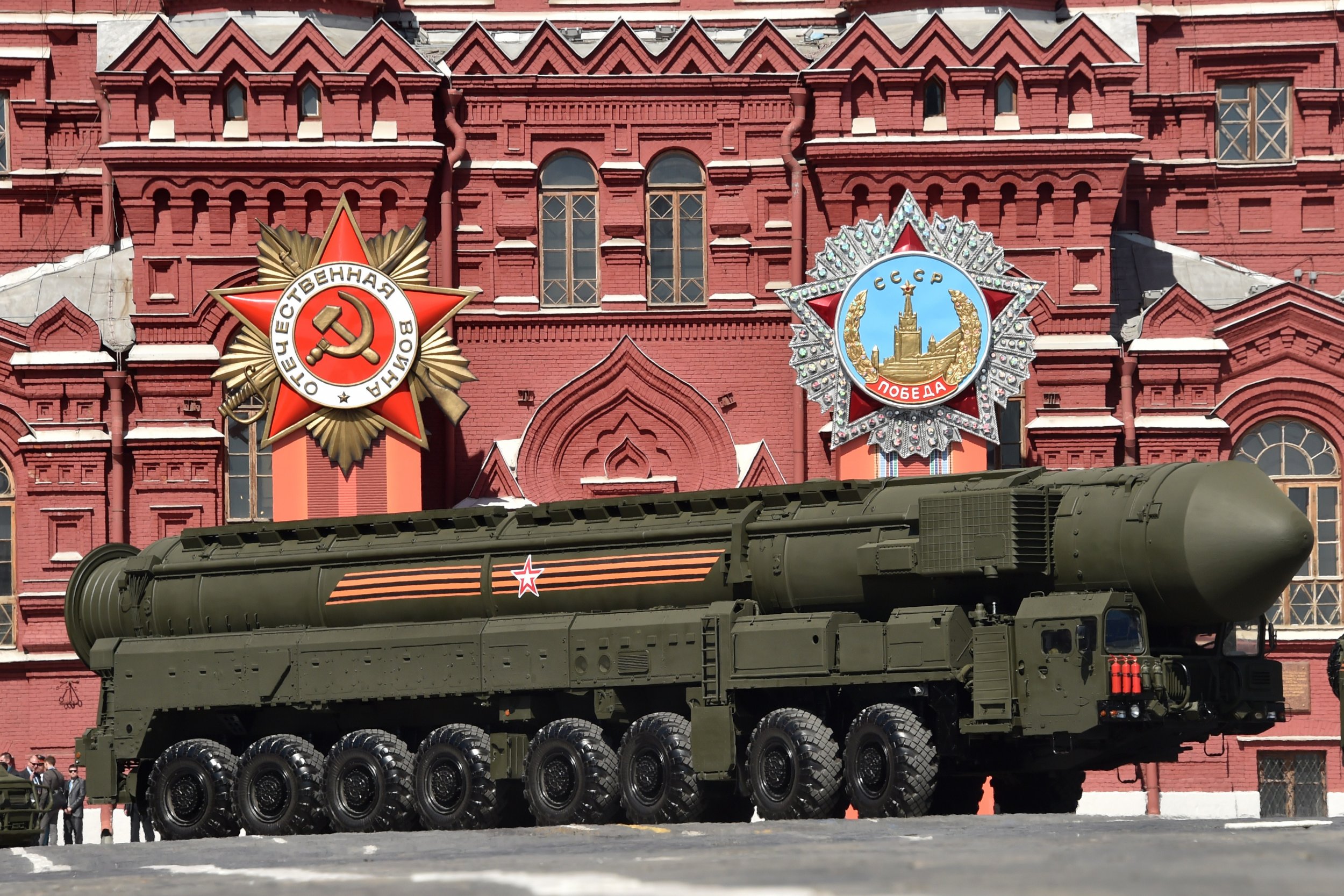
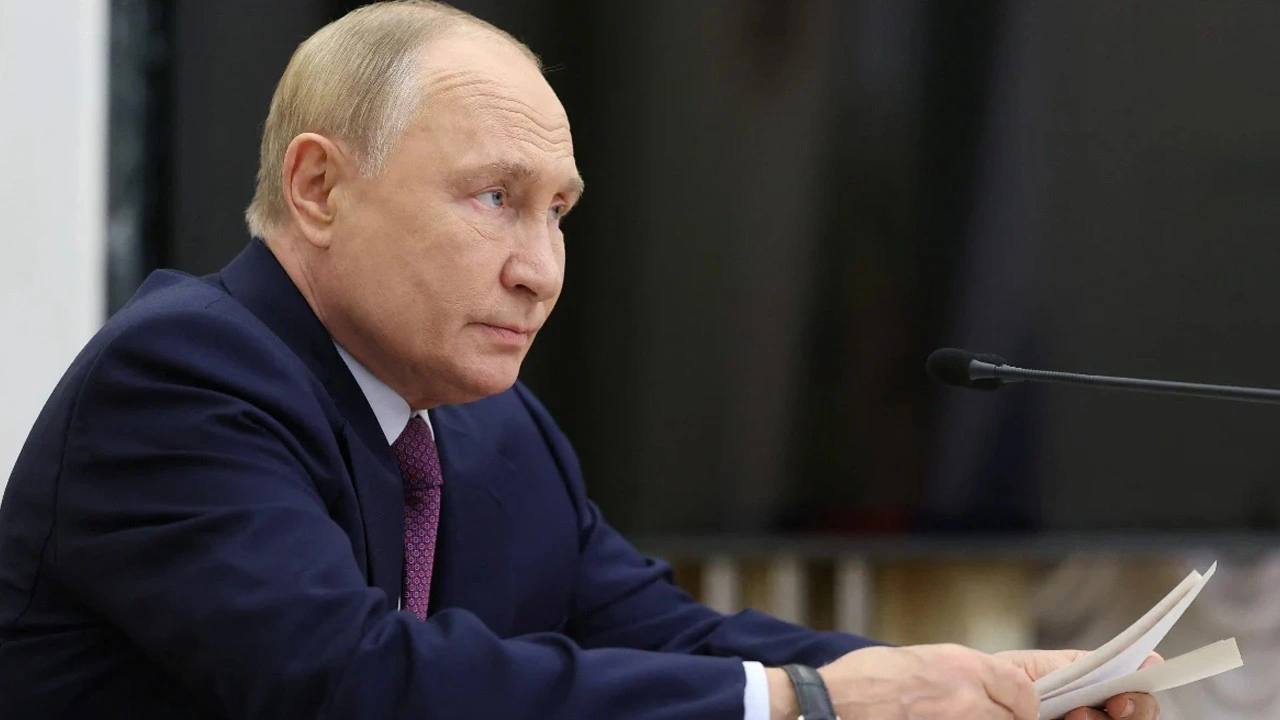
Russian President Vladimir Putin has issued a stark warning to the West, signaling that Moscow may resort to nuclear weapons if Ukraine is allowed to strike deep into Russian territory with long-range Western missiles. This latest warning comes as Ukraine continues to lobby for more advanced missile systems from the U.S. and its allies, raising concerns of potential escalation in the ongoing conflict.

Putin outlined that Russia could respond with nuclear force if there were a significant cross-border attack involving aircraft, missiles, or drones, particularly if such an attack had the support of a rival nuclear power. This applies directly to the situation in which Ukraine, with Western assistance, uses missiles like the U.S. ATACMS or British Storm Shadows to target Russia. Moscow’s threats underscore its fear that Western satellite and targeting support could further embolden Kyiv to strike deep into Russian territory.

The Kremlin’s warning has triggered a swift reaction from Ukraine and the West. Ukraine’s President Volodymyr Zelenskiy’s chief of staff dismissed the threat as “nuclear blackmail” and labeled it another sign of Putin’s desperation. U.S. Secretary of State Antony Blinken criticized Putin’s comments as irresponsible, while Western experts debated the seriousness of the nuclear threat. Some analysts argue that Putin is playing a psychological game aimed at deterring further Western support for Ukraine, while others believe the nuclear threat should not be taken lightly.
Picture background

Putin’s warning, however, comes at a critical juncture. As Ukraine pushes for long-range missiles to strike Russia, Moscow is adjusting its nuclear doctrine. Previously, Russia’s nuclear use was tied to existential threats to the state. Now, the doctrine includes responses to conventional attacks that pose a “critical threat to our sovereignty,” effectively lowering the threshold for nuclear use.

Experts remain divided over the likelihood of Russia resorting to nuclear weapons. Some believe the threat remains a bluff, designed to instill fear and hesitation in the West. Others, however, caution that the West should take Putin’s statements seriously. Despite the heated rhetoric, there has been no visible preparation for nuclear deployment, according to defense analysts, though they warn that any movement towards such an escalation could be detected by Western intelligence.

The war in Ukraine has already crossed many red lines set by Moscow, yet Putin’s latest remarks may indicate a growing frustration with the West’s disregard for previous warnings. The Kremlin’s message is clear: any further escalation, especially involving direct strikes on Russian soil, could lead to severe consequences, including the use of nuclear weapons.

While some in the West dismiss Putin’s threats as mere bluster, others warn that ignoring these signals could lead to an unforeseen and catastrophic escalation. Putin’s message is not just for Ukraine but also a direct warning to the U.S. and its allies: any further military support for Kyiv, especially involving long-range weapons, could push the conflict into dangerous new territory.
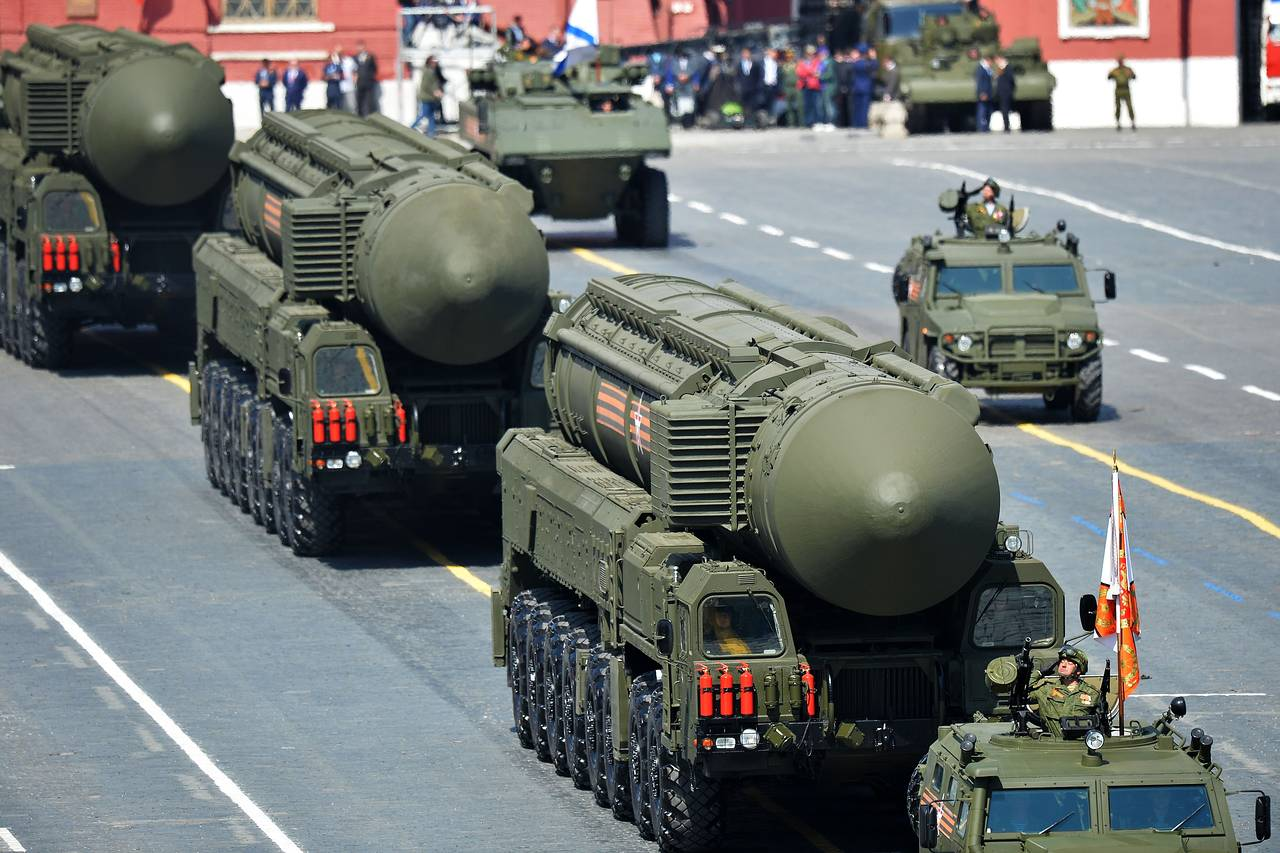
Putin’s Response to Ukraine Missiles Could Include Nuclear Test, Experts Say

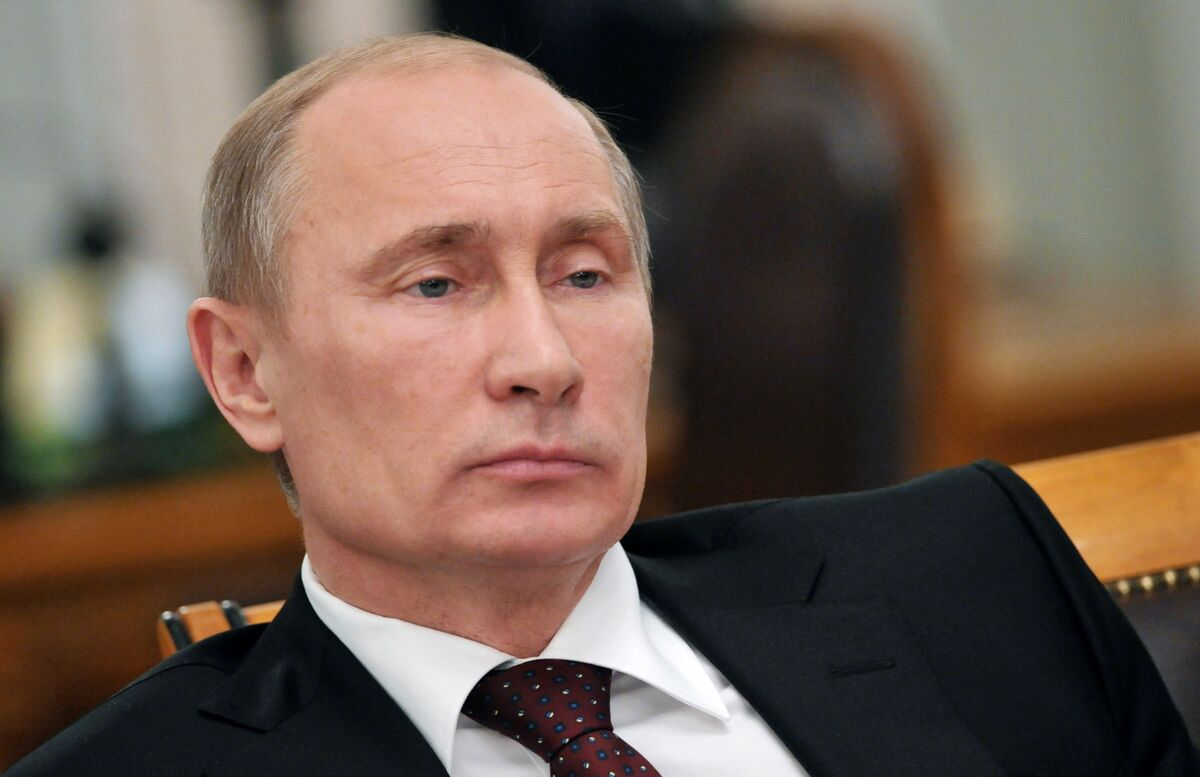
As tensions between Russia and the West escalate over Ukraine, experts warn that Russian President Vladimir Putin may consider a nuclear test to demonstrate his seriousness if Western nations permit Ukraine to use long-range missiles against Russian targets. British Prime Minister Keir Starmer and U.S. President Joe Biden are currently discussing the possibility of supplying Kyiv with U.S. ATACMS and British Storm Shadow missiles, which could change the course of the conflict.

Putin issued a clear warning on Thursday, stating that the West would be directly involved in fighting Russia if such missiles were deployed. While he has promised an “appropriate” response, the specifics remain unclear. Ulrich Kuehn, an arms expert, suggested that Putin might consider testing a nuclear weapon as a dramatic escalation to convey intent and intimidate Western powers. Russia has not conducted a nuclear test since 1990, and a test now could signal a dangerous shift in the conflict’s trajectory.

Other experts, such as Gerhard Mangott from the University of Innsbruck, agree that a nuclear test, though unlikely, remains within the realm of possibility. They also highlight the risks of Russia escalating “hybrid” actions like sabotage in Europe or interference in Western elections. Russia’s UN ambassador, Vassily Nebenzia, warned that if NATO allowed Ukraine to use long-range weapons, it would be considered a direct conflict with a nuclear power.

Former Kremlin adviser Sergei Markov predicted that Moscow could also respond by targeting British military assets or engaging in hybrid warfare, such as striking British drones and warplanes near Russia. The potential for significant escalation, including attacks on Ukrainian infrastructure or further hybrid actions, remains a key concern, as analysts debate where Putin’s red lines truly lie.


Russia Signals Potential Shift in Nuclear Doctrine Amid Escalating Tensions with Ukraine

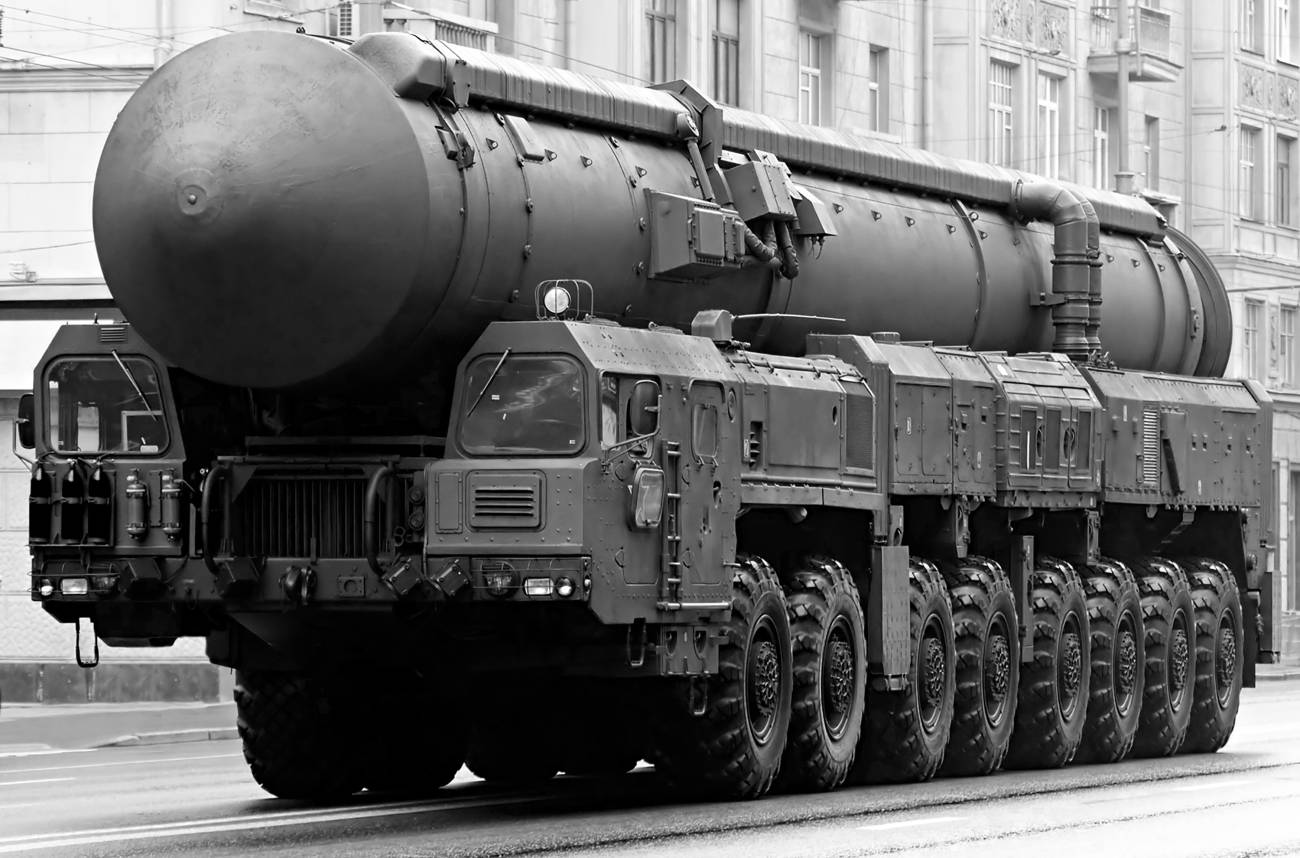
Russia has suggested that it may revise its official stance on the use of nuclear weapons, as tensions continue to escalate with Ukraine following cross-border incursions into Russia’s Kursk region. Deputy Foreign Minister Sergei Ryabkov announced that amendments to Russia’s nuclear doctrine are in progress, motivated by what Moscow perceives as a Western-backed escalation of the conflict with Ukraine.

Ukraine’s recent offensive, which has seized nearly 500 square miles of Russian territory since August, has prompted Russia to reconsider its nuclear policy. Ryabkov pointed to the ongoing military support provided to Ukraine by NATO allies, especially the supply of long-range missiles, as a driving factor behind the revision. Although Western nations have denied involvement in Ukraine’s cross-border operations, Russia accuses them of encouraging the offensive.

Russia’s current nuclear doctrine reserves the right to use nuclear weapons in response to nuclear or other mass destruction weapons used against it or its allies, as well as in the event of conventional aggression threatening the existence of the state. While the doctrine emphasizes nuclear weapons as a deterrent, Russian officials, including President Vladimir Putin, have signaled that the conditions for nuclear deployment could be revised. Putin has referred to the nuclear doctrine as a “living instrument” that could be adjusted based on changing global dynamics.

Picture background

The possibility of deploying nuclear weapons has been a recurring theme since Russia’s invasion of Ukraine in February 2022. Although tactical nuclear weapons, which are designed for battlefield use, have been stationed near Ukraine and in Belarus, Russia has so far refrained from employing them. However, recent Ukrainian incursions into Russian territory have exposed vulnerabilities in Russia’s national defenses, raising concerns about a potential nuclear response.

Despite saber-rattling from Russian officials, analysts believe that the likelihood of Russia deploying nuclear weapons remains low. Experts from the Institute for the Study of War downplayed Ryabkov’s comments, suggesting that the rhetoric is intended to dissuade Western countries from supporting Ukraine further. The potential changes to Russia’s nuclear doctrine are likely aimed at maintaining strategic ambiguity, rather than signaling an imminent shift in nuclear policy.

Russia’s framing of the conflict as an existential battle with the West has kept nuclear tensions simmering, but Ukrainian officials hope that their recent operations will dispel fears of nuclear retaliation and encourage more robust support from NATO, including the approval of longer-range missiles. As both sides continue to escalate, the global community watches closely, concerned that any misstep could trigger a nuclear confrontation with far-reaching consequences.