Yazılar

US Researchers Uncover Likely Launch Site of Russia’s Controversial Nuclear-Powered Missile

Two U.S. researchers have identified a probable deployment site for Russia’s new nuclear-powered missile, the 9M370 Burevestnik, also known as “Skyfall” by NATO. The missile, which boasts near-limitless range and the ability to evade U.S. missile defenses, has been touted by President Vladimir Putin as an “invincible” weapon. However, Western experts have expressed skepticism about its strategic value, citing both its limited advantages and potential safety risks.

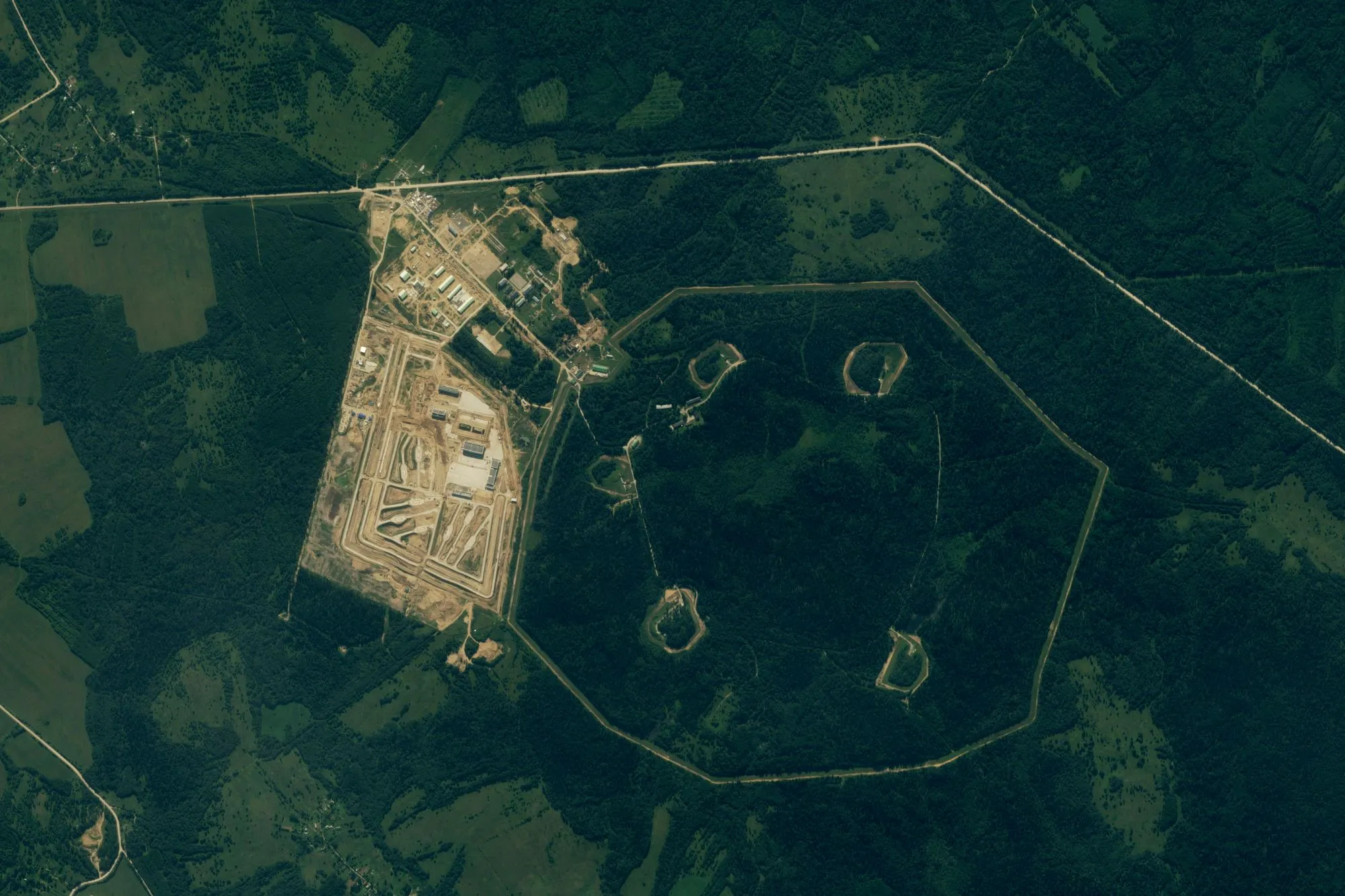
Satellite images taken by Planet Labs on July 26 have revealed a construction project near a nuclear warhead storage facility, Vologda-20, which researchers Decker Eveleth and Jeffery Lewis believe is the missile’s potential deployment site. The facility, located 295 miles north of Moscow, features nine horizontal launch pads, housed within berms for protection, with roads leading to nuclear storage bunkers. This configuration has led the researchers to conclude that Russia is advancing with its deployment of the missile despite a history of problematic test flights.

The missile’s poor performance record has raised doubts about its future. According to the Nuclear Threat Initiative, at least 13 tests since 2016 have only resulted in two partial successes. One of the most concerning failures occurred in 2019 when a nuclear reactor aboard a prototype exploded during recovery, leading to radioactive contamination in the White Sea. While Russia’s state nuclear agency Rosatom acknowledged the death of five engineers in the incident, Putin maintained that the weapon was unparalleled globally.

Despite its shortcomings, some experts believe the Burevestnik could be used as a political tool, enhancing Putin’s image as a strong leader and sending a message to Washington about the limitations of U.S. missile defenses. The missile’s development, which is not banned under the New START treaty, suggests that Russia is determined to expand its nuclear capabilities amidst deteriorating relations with the West, further escalating fears of a new arms race.

While some view the Burevestnik as a unique threat with its nuclear-powered engine capable of emitting radiation along its flight path, others argue it offers little strategic advantage over existing Russian capabilities. Experts like Cheryl Rofer, a former U.S. nuclear weapons scientist, have voiced concerns over its risks, describing the missile as a “flying Chernobyl” that poses more danger to Russia than its adversaries.

With the New START treaty set to expire in 2026, the deployment of the Burevestnik raises significant questions about future arms control efforts between the U.S. and Russia. Some analysts, like Pavel Podvig, speculate that Russia could use the missile as leverage in future negotiations, but with the ongoing war in Ukraine, the prospects for dialogue remain uncertain.

As tensions between Russia and the West continue to grow, the Burevestnik represents both a technological gamble and a potential bargaining chip in the high-stakes world of nuclear diplomacy.
Putin’s Broken Promise: Conscripts Unprepared for the Front Line

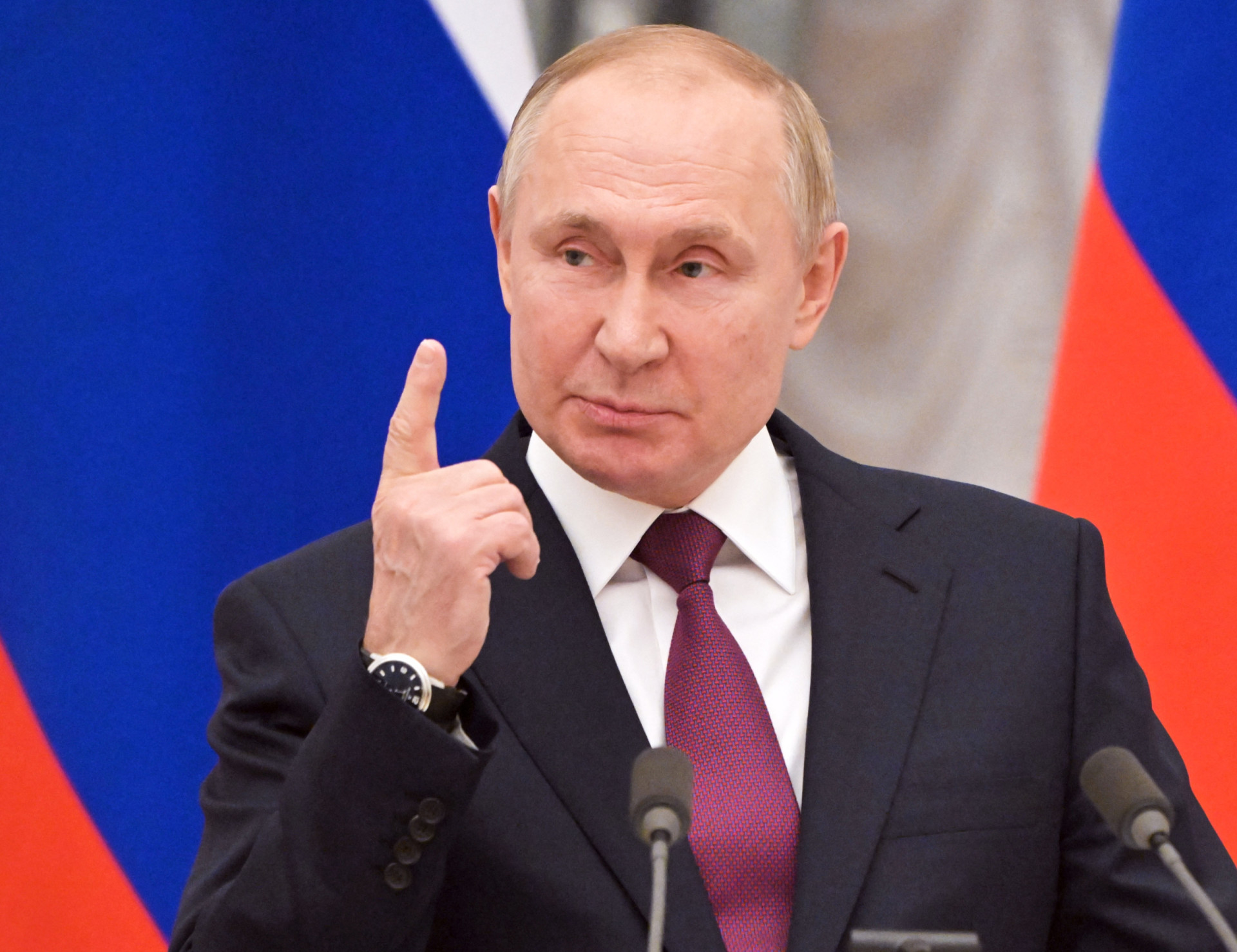
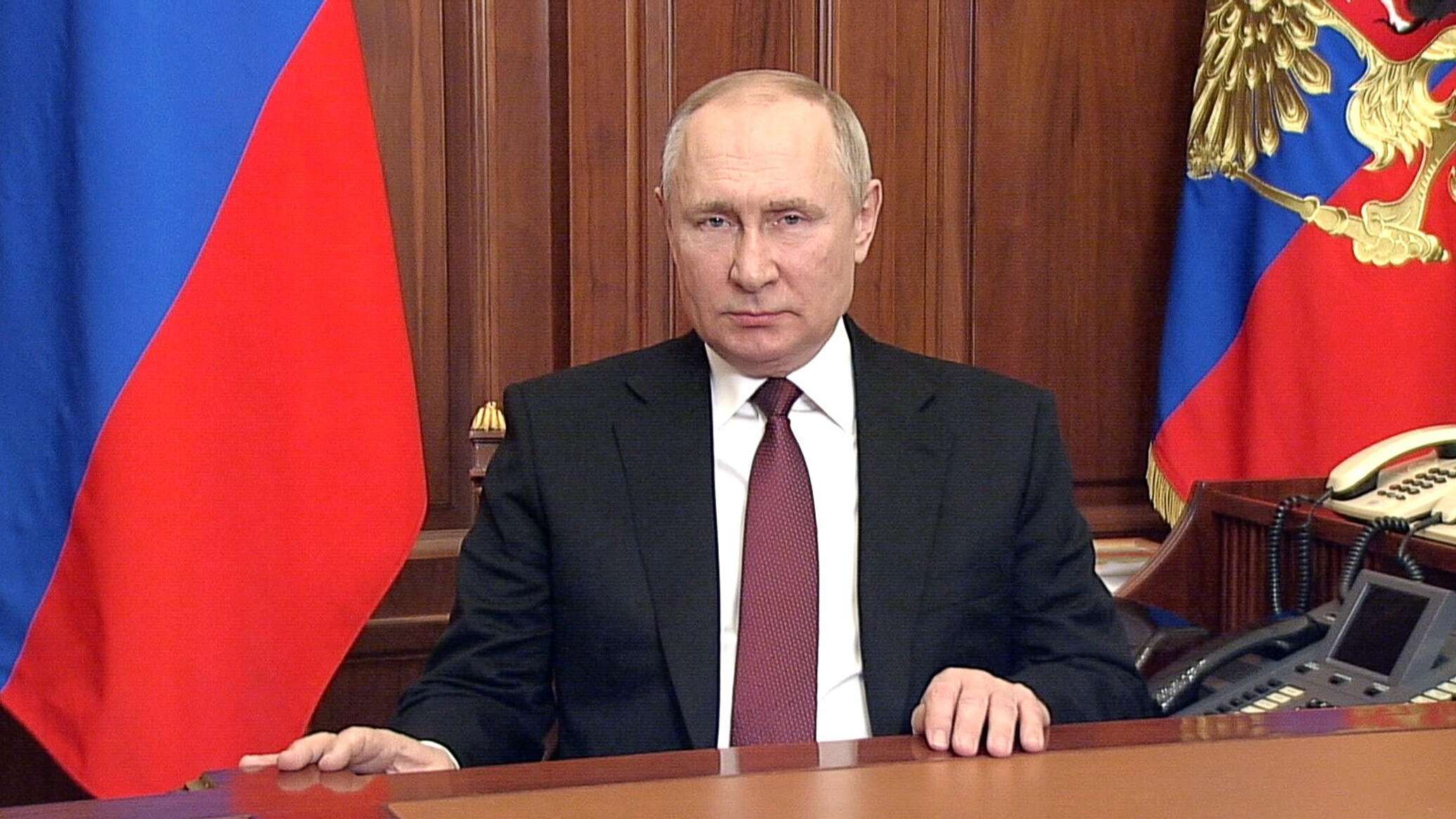
Russian President Vladimir Putin once assured the nation that conscripts would not be involved in combat during his war on Ukraine. However, as Ukrainian forces advance deeper into Russian territory, it has become evident that this promise has not been kept. Families of young conscripts are increasingly alarmed, sharing their concerns on Russian social media platforms like Telegram. Reports have surfaced that poorly trained conscripts were left to defend the border region of Kursk, which was recently breached by Ukrainian forces.

A message from a mother of a conscript soldier revealed the dire situation: her son and others found themselves under attack at 3 a.m., with no professional soldiers to support them. The conscripts, unprepared and ill-equipped, were left to defend themselves against a coordinated Ukrainian incursion. This has sparked outrage among families, especially considering Putin’s repeated promises that conscripts would not be sent to the front lines. The Russian Defense Ministry has not responded to requests for comment.

Picture background

The issue of conscription is particularly sensitive in Russia. Historically, the mothers and wives of conscripts have been a powerful voice, especially during conflicts like the Soviet-Afghan War and the Chechen Wars. Today, despite a crackdown on dissent, the anger over the treatment of conscripts is palpable. One grandmother of a missing conscript described how her grandson was stationed just 500 meters from the border without any weapons, questioning how the young men could possibly defend themselves.

The use of conscripts to defend the border appears to have contributed to Ukraine’s successful incursion into Russian territory. Ukrainian military officials reported significant gains, including control of over 1,150 square kilometers of territory. This success is likely due, in part, to the inadequate preparation and equipment of the Russian conscripts.

Conscripts in Russia receive only limited training, as they are not supposed to be involved in combat operations. However, the recent events have shown that they are being placed in harm’s way, much to the dismay of their families. The situation has been further criticized by Russian opposition groups, who accuse Putin of lying about protecting Russia and using conscripts as cannon fodder.

In response to the Ukrainian advance, Russia has reportedly redirected thousands of troops from occupied territories in Ukraine to reinforce the Kursk region. This includes personnel from the Leningrad military district and Kaliningrad, indicating the severity of the situation. Despite these efforts, reports suggest that some conscripts have been captured by Ukrainian forces, further highlighting the vulnerability of these young soldiers.

The use of conscripts in Putin’s war raises serious ethical and political questions. The broken promise not to involve them in combat has not only endangered their lives but also sparked outrage among their families and the broader Russian public. As the conflict continues, the plight of these conscripts is likely to remain a contentious issue within Russia.


Putin Vows Retaliation as Ukraine Intensifies Incursion into Russian Territory, Prompting Mass Evacuations

Russian President Vladimir Putin has vowed a “worthy response” to Ukraine’s escalating incursion into Russian territory, which has prompted the evacuation of 11,000 people from a second border region on Monday. In a televised meeting with top security officials and regional governors, Putin emphasized that Ukrainian forces are suffering significant losses, particularly among their most combat-ready units. He assured that Russia would achieve all its objectives, as the conflict between the two nations intensifies.

This latest escalation comes after Ukrainian forces launched a daring incursion into the Russian border region of Kursk last Tuesday, catching Moscow by surprise. Russian defense officials have since claimed to have thwarted further Ukrainian advances, but reports indicate that Ukrainian troops have penetrated up to 35 kilometers (22 miles) into Russian territory. The incursion has disrupted Russia’s summer offensive in eastern Ukraine, forcing the Kremlin to redeploy forces to the border regions to counter the unexpected threat.

In response to the growing conflict, the administrative head of the Belgorod border region, Andrey Miskov, announced that 11,000 people have been evacuated from the Krasnoyarsk district due to “enemy activity” at the border. The evacuation, carried out in a centralized manner, saw most residents safely relocated, with only 500 people, including the administration, remaining in their workplaces. Belgorod’s governor, Vyacheslav Gladkov, confirmed the alarming situation, noting a large number of cars fleeing the Krasnoyarsk area as the situation worsened.

Ukraine’s incursion has been strategically significant, allowing Ukrainian forces to seize the initiative in one part of the front line. The Institute for the Study of War (ISW) noted that this operation has forced the Kremlin and Russian military command to react, suggesting that Russia may have underestimated Ukraine’s capabilities. Ukrainian President Volodymyr Zelenskyy acknowledged the raid, praising Ukrainian units for pushing the conflict into the aggressor’s territory.

Amid the ongoing conflict, tensions have flared further with a large fire breaking out at the Zaporizhzhia Nuclear Power Plant in southern Ukraine. Both Moscow and Kyiv have blamed each other for the incident, which occurred as Ukrainian forces continue their incursion into Russian border territory. Ukrainian officials accused Russian forces of starting the fire, while the Kremlin-installed governor of Zaporizhzhia claimed Ukrainian shelling was responsible.

The situation at the nuclear power plant, which has been a frequent flashpoint between Ukraine and Russia, has raised concerns over a potential nuclear disaster. The International Atomic Energy Agency (IAEA) reported that its experts witnessed “strong dark smoke” coming from the northern area of the plant following multiple explosions. While the IAEA stated that there has been no immediate impact on nuclear safety, the incident underscores the high-risk environment as the conflict between Russia and Ukraine escalates.