
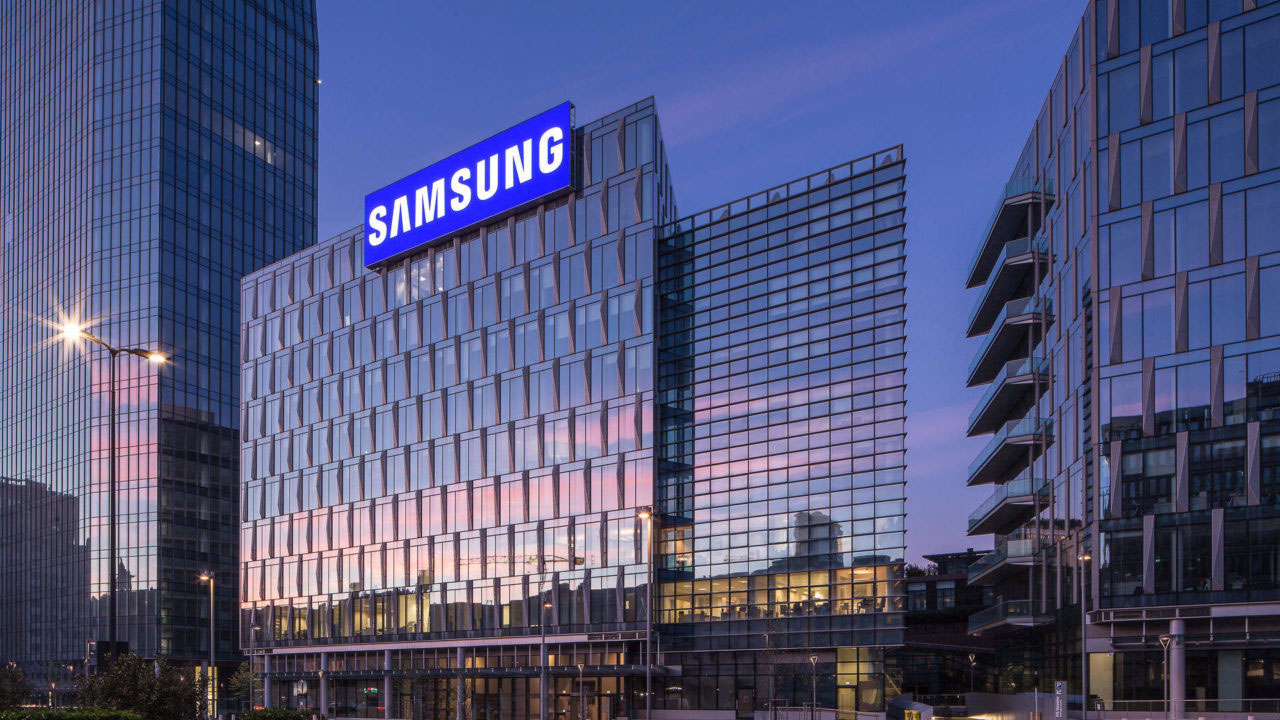
Samsung Q4 Earnings Expected to Be Hit by Nvidia AI Chip Supply Delay
Samsung Electronics (005930.KS), the world’s largest memory chip maker, is forecasted to report slowed profit growth in the fourth quarter, as it struggles to meet Nvidia’s (NVDA.O) soaring demand for AI chips. Despite an expected operating profit of 8.2 trillion won ($5.6 billion) in the quarter ending December, up from 2.8 trillion won a year ago, this figure represents a decline from the previous quarter’s 9.18 trillion won.
Analysts have recently revised their earnings forecasts downward, with some projecting Samsung’s operating profit to fall below 8 trillion won. A key issue has been delays in Samsung’s supply of high-end AI chips to Nvidia, which has continued to impact Samsung’s earnings, despite an October apology from the company for its third-quarter performance and an earlier pledge to address the chip shortage.
In November, Samsung reshuffled its chip division leadership, naming its chip division chief co-CEO and granting him direct control over the struggling memory chip business. Meanwhile, Samsung’s shares fell 32% last year, underperforming the broader market’s 10% decline.
Contrastingly, SK Hynix (000660.KS), a major supplier of advanced AI memory chips to Nvidia, is expected to report record earnings for the fourth quarter, benefiting from strong demand for its products.
The broader semiconductor market is facing additional pressure, with weaker demand for traditional chips used in smartphones and PCs, and rising competition from Chinese chipmakers, leading to declining chip prices. DRAM prices, particularly DDR4 chips used in personal computers, have dropped as much as 13% in Q4 and are expected to fall another 15% in the current quarter, according to TrendForce.
The South Korean won’s depreciation in December to its weakest level in 15 years, fueled by political instability and concerns over U.S. tariffs under President-elect Trump, has provided some relief in the form of increased overseas earnings, but this has not been enough to offset weak chip prices.
Samsung is expected to release detailed results later in January, offering a breakdown of its earnings by business segment.
