Yazılar

ASML dismisses claims of Chinese tool stockpiling, says ready for rare earth curbs

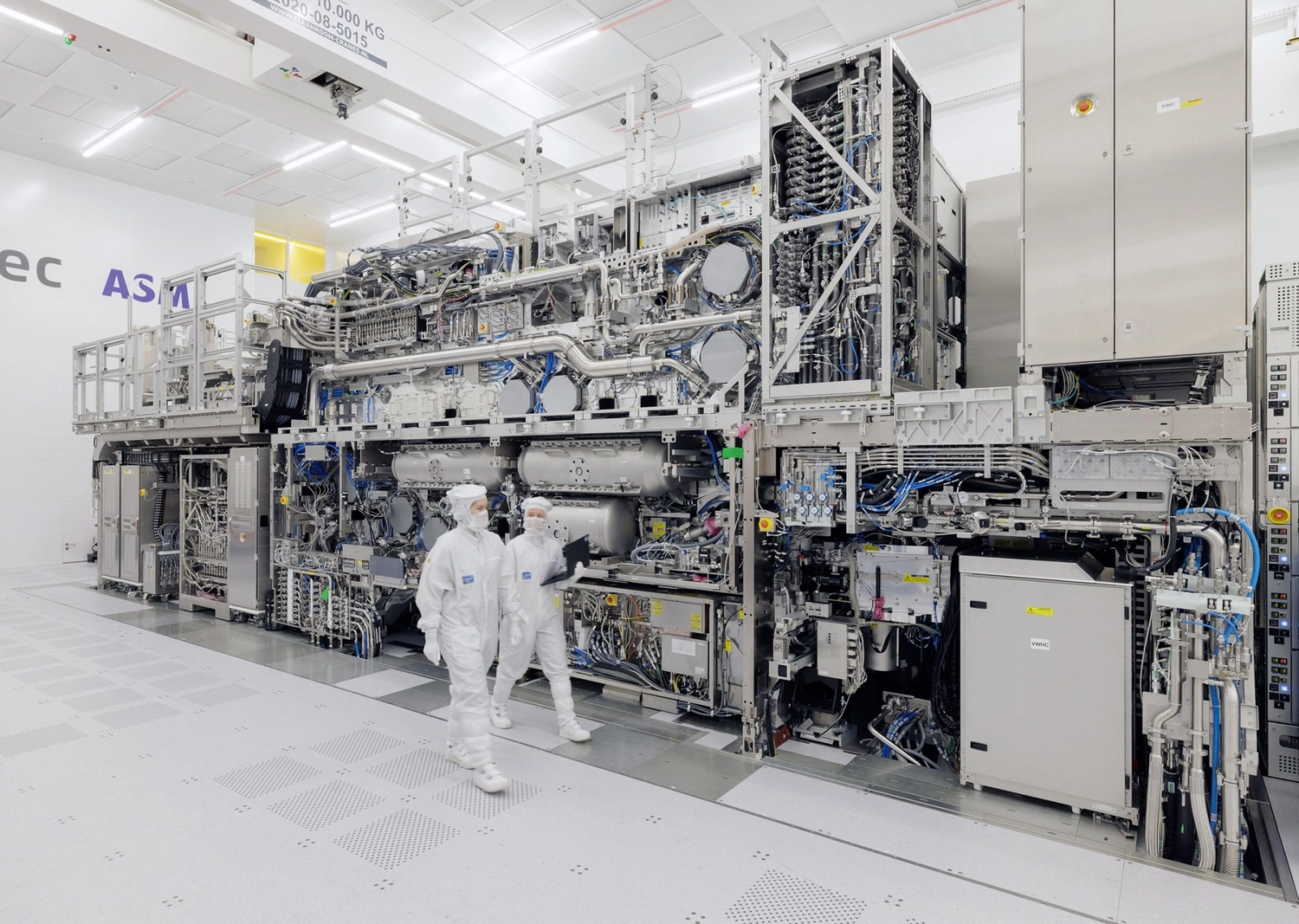
ASML has downplayed concerns that its expected decline in China sales next year is linked to Chinese chipmakers stockpiling its lithography machines, saying the slowdown reflects market dynamics rather than preemptive buying.

“The reason I rule out previous stockpiling is because systems that we ship are actually in a chips factory,” said Chief Financial Officer Roger Dassen during a press briefing on Wednesday. His comments followed ASML’s third-quarter earnings report, which warned of a significant fall in Chinese demand in 2025.

Chinese customers accounted for 42% of ASML’s machine sales in the latest quarter, making China its largest single market. However, U.S. lawmakers have urged tighter export restrictions on ASML, alleging that Chinese firms are purchasing chipmaking tools beyond domestic needs to hedge against future sanctions.

ASML, the world’s top semiconductor equipment maker, said it remains confident in the resilience of its business outside China, despite ongoing geopolitical uncertainty.

Dassen also addressed concerns about China’s rare earth export restrictions, emphasizing that ASML is well prepared in the short term. “We have inventory, we have alternatives. But of course, there is an impact we are navigating,” he said.

China produces over 90% of the world’s processed rare earths and magnets, which are essential components in ASML’s chipmaking tools. Dassen cautioned that longer-term disruptions could be more serious if global trade tensions deepen. “It’s important the world continues to trade so we don’t face lasting limitations,” he said.
Chinese battery stocks tumble after new export controls tighten grip on EV supply chain

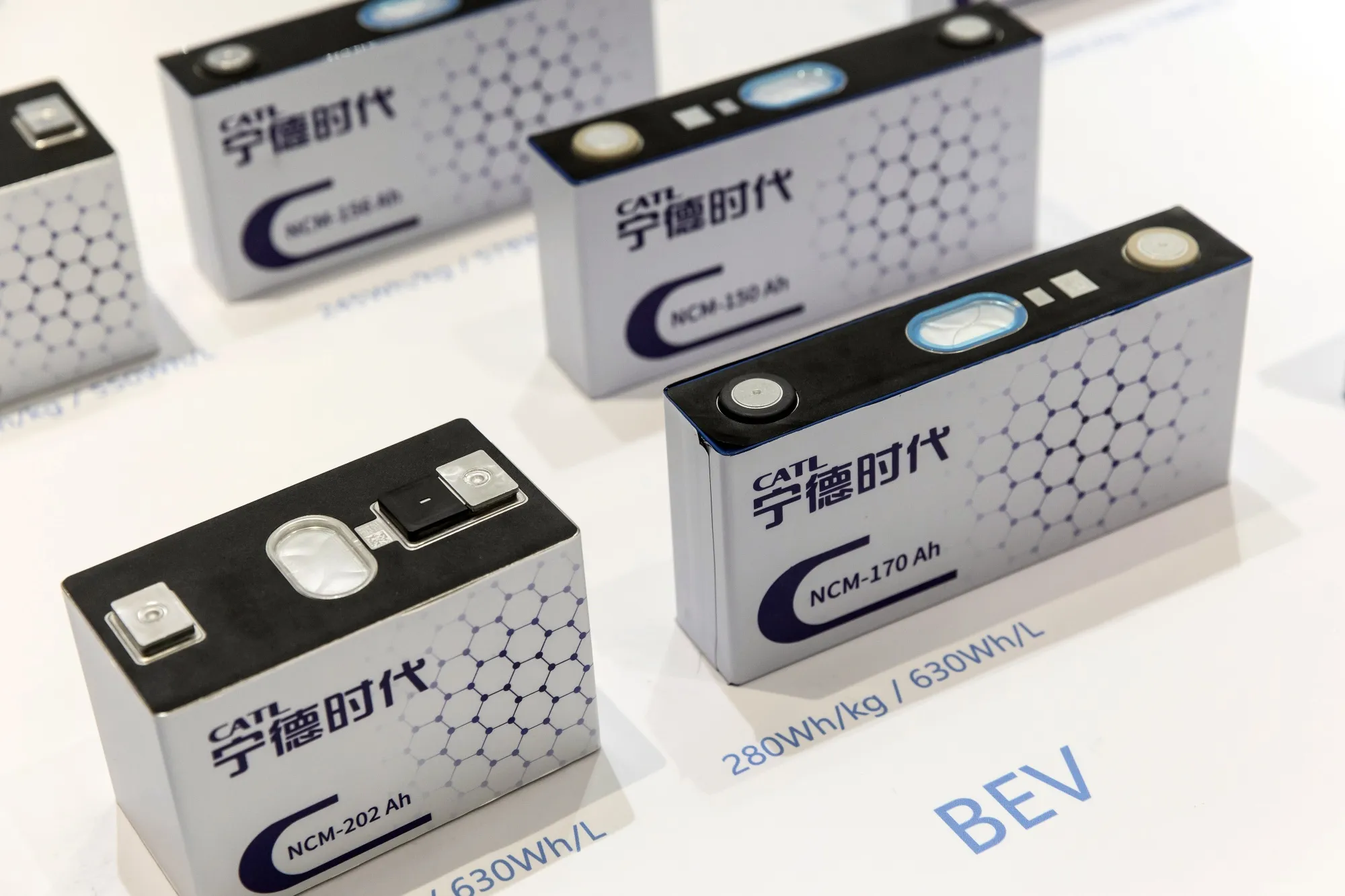
Chinese battery shares fell sharply on Friday after Beijing announced new export controls on lithium battery materials and technology, deepening its hold on a supply chain vital to global electric vehicle (EV) and energy storage industries.

The Ministry of Commerce said exporters of certain high-end lithium-ion batteries, cathode and graphite anode materials, and related technical know-how will now require permits starting November 8. The move follows China’s expanded restrictions on rare earths, escalating tensions with the United States ahead of a potential meeting between Presidents Donald Trump and Xi Jinping.

Shares of major producers sank: CATL dropped 6.82%, Tianqi Lithium fell 7.17%, EVE Energy plunged nearly 11%, and BYD lost 2.54% by market close. China’s New Energy Vehicles Index slid 6.02%.

“The new controls drastically expand how much of the lithium battery supply chain China is staking a claim to,” said Cory Combs of Trivium China, warning that Beijing could slow or limit export licenses to maintain leverage.

Analysts at Zaoshang Securities argued the impact should be limited, saying the measures stop short of a ban and that past controls, such as those on natural graphite, caused no major export decline. Still, investors remain uneasy as the curbs come alongside tighter EV tax exemption rules, which could hit domestic demand.

Chinese companies such as CATL and BYD, which supply automakers worldwide and operate joint ventures like the Ford-CATL plant in the U.S., could face ripple effects across global supply chains as Washington and Beijing compete for dominance in critical materials.

China tightens rare earths export rules, adds semiconductor and defense curbs

China sharply expanded its rare earths export restrictions on Thursday, adding five new elements and imposing stricter controls on semiconductor and defense users, in a move seen as tightening Beijing’s grip on critical materials ahead of Trump–Xi talks later this month.

The Ministry of Commerce said the new rules include holmium, erbium, thulium, europium, and ytterbium, bringing the total number of restricted rare earths to 12. Dozens of refining technologies were also added to the control list, while foreign companies using Chinese materials or equipment will now need a Chinese export licence — even if the finished product is made abroad.

China produces over 90% of the world’s processed rare earths, which are vital for EVs, aircraft engines, radars, and advanced chips. The new curbs come amid escalating U.S.–China tech tensions, following American calls to expand chip export bans.

Beijing said the rules will take effect November 8, with extra measures for foreign users from December 1. It also stated that defense-related users will not be granted licences, and chipmakers working on 14-nanometer or smaller chips and AI with military potential will face case-by-case reviews.

“The move helps Beijing gain leverage ahead of the Trump–Xi summit,” said Tim Zhang of Edge Research. Analysts described the controls as part of a global supply chain split, with China localizing production while the U.S. and allies accelerate their own.

Shares in Chinese and U.S. rare earth firms surged on the news, as investors braced for a new phase of strategic competition over the world’s most critical materials.