
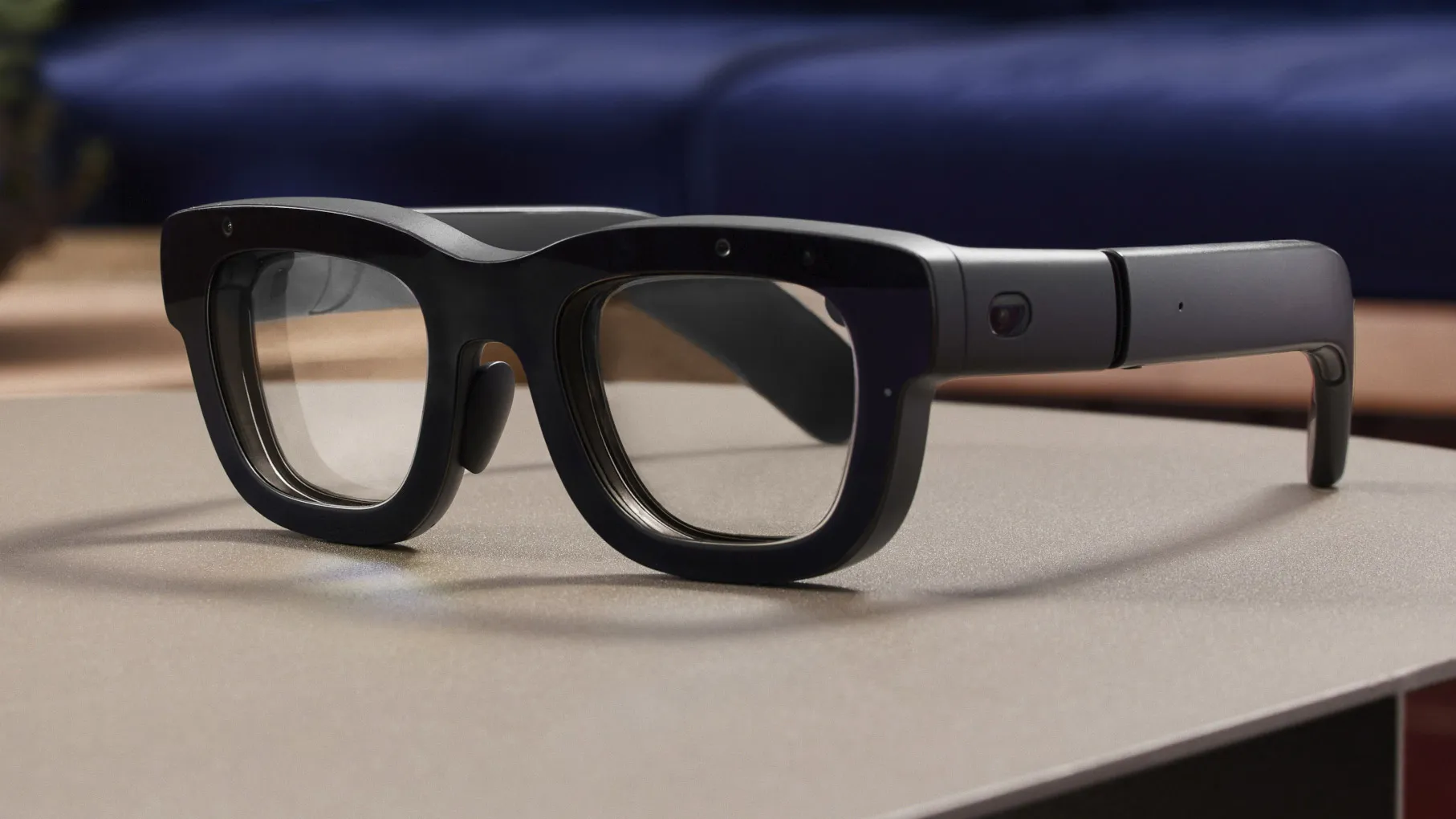
Meta Allegedly Explored Adding Facial Recognition Features to Its Smart Glasses
Meta has reportedly explored adding a facial recognition feature to its smart glasses that would allow wearers to identify people around them by scanning their faces. According to recent reports, this functionality would be opt-in for the glasses’ users, meaning they could choose to enable it. However, those being scanned would not have any way to opt out, raising privacy concerns. While the current Ray-Ban Meta AI Glasses flash an LED light when the camera is active, it remains unclear if the glasses would alert others when facial recognition is being used.
The feature, internally dubbed “super sensing,” is said to build on the existing Live AI capabilities of the Ray-Ban Meta AI glasses. Sources suggest Meta considered disabling the camera’s LED indicator during facial recognition scans, which would prevent people nearby from knowing when their faces are being scanned or identified. This raises questions about transparency and ethical use of such technology in everyday social situations.
Meta introduced the LED indicator to inform bystanders whenever the glasses’ camera was capturing photos or videos, aiming to maintain some level of privacy awareness. However, if the facial recognition feature bypasses this indicator, individuals around the wearer could be unknowingly identified. The ability to match faces to names instantly could have significant implications, both positive and negative, depending on how the technology is deployed and regulated.
Concerns about privacy are heightened by past incidents, such as a project developed by two Harvard students who created a system called I-XRAY. This system combined Meta’s smart glasses with large language models, facial recognition tools, and public databases to identify and locate their classmates without their consent. Such demonstrations highlight the potential risks associated with facial recognition on wearable devices, making Meta’s decisions on how to implement these features particularly critical.