Yazılar

EU starts proceedings to assist Google in complying with tech rules

The European Commission has launched formal proceedings aimed at assisting Google in complying with the European Union’s Digital Markets Act, a landmark set of rules designed to curb the market power of large technology companies. The move signals closer engagement between EU regulators and Alphabet’s Google as the bloc enforces its new digital competition framework.

The Commission said the proceedings are intended to clarify how Google can meet its obligations under the DMA, which requires designated gatekeepers to ensure fair competition and greater openness in digital markets. Google has already taken steps to comply, including licensing certain search data to competitors and maintaining that its Android operating system is open by design.

However, Google warned that additional requirements could have unintended consequences. A senior company lawyer said some rules appear to be driven by complaints from rivals rather than consumer interests, and argued that excessive constraints could undermine user privacy, security and innovation.

The case highlights the balancing act facing EU regulators as they seek to rein in Big Tech while avoiding measures that could disrupt services used by millions of consumers and businesses across Europe.

Indian tourist state of Goa weighs social media ban for children

India’s top tourist state of Goa is considering a potential ban on social media use for children, drawing inspiration from Australia’s recent restrictions amid growing concerns over the impact of online platforms on young users’ mental health. The proposal comes as India remains one of the world’s largest markets for social media, with millions of users estimated to be under 18.

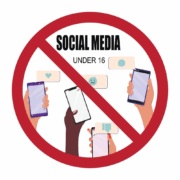
Goa’s information technology minister said state authorities are studying Australia’s law, which restricts social media access for children under 16, to assess whether a similar approach could be adopted locally. Officials said details of any proposal would follow after further review.

The discussion highlights the absence of nationwide rules in India governing minors’ access to social media, despite increasing debate over screen time, online safety and psychological well-being. Another Indian state, Andhra Pradesh, has also indicated it is exploring comparable measures after reviewing global regulatory efforts.

Australia last year became the first country to implement a nationwide social media ban for children under 16, a move that deactivated millions of teen accounts within weeks. Other countries, including France and several in Southeast Asia, are closely watching the outcome as they consider similar policies.

California’s Newsom accuses TikTok of suppressing Trump criticism

California Governor Gavin Newsom has accused TikTok of suppressing content critical of President Donald Trump, launching a review to determine whether the platform’s moderation practices violate California law. Newsom’s office said it had received and independently confirmed reports that posts criticizing Trump were being limited following recent structural changes at TikTok.

The allegations emerged shortly after TikTok’s Chinese owner, ByteDance, finalized a deal to create a majority U.S.-owned joint venture designed to secure American user data and avoid a nationwide ban. The arrangement, which was praised by Trump, places U.S. and global investors in control of more than 80% of the venture, with ByteDance retaining a minority stake.

TikTok rejected the accusations, saying the issues stemmed from a technical failure caused by a data center power outage that led to broader system disruptions. The company said the outage resulted in bugs, slower performance and delayed posting for some users, and denied any intentional suppression of political content.

The dispute adds to long-standing political tensions surrounding TikTok in the United States, where the app has faced years of scrutiny over national security, data privacy and influence concerns. Newsom, a Democrat, and Trump, a Republican, have frequently clashed, underscoring the political sensitivity of the platform’s role in public discourse.