Yazılar

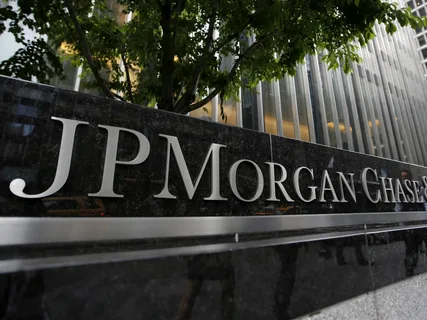
JPMorgan to Charge Fintech Firms for Access to Customer Bank Data, Bloomberg Reports

JPMorgan Chase is planning to start charging fintech companies for access to its customers’ bank account data, Bloomberg News reported Friday, citing sources familiar with the matter. The U.S.’s largest bank has sent pricing proposals to data aggregators — intermediaries that connect banks with fintech platforms — outlining fees that may vary depending on the use case. Payment-focused fintech firms are expected to face higher charges.

A JPMorgan spokesperson stated the bank has invested heavily in building a secure system to protect customer data. The spokesperson added that JPMorgan is engaging with industry players to ensure necessary investments are made in infrastructure that safeguards customer information.

This move could disrupt payment app companies that currently rely on free access to customer financial data to facilitate transactions. Following the news, shares of major payment firms fell sharply: PayPal dropped 6.3%, Block fell 5.6%, while Visa and Mastercard declined around 2.8% and 2.9%, respectively.

The fees are expected to be implemented later this year but remain subject to negotiation, according to Bloomberg.

In the broader regulatory context, U.S. banking giants like JPMorgan are advocating for lighter regulations under President Donald Trump’s administration, in contrast to the stricter capital requirements imposed during the Biden administration.

SEC’s ‘Crypto Mom’ affirms tokenized securities remain subject to regulations

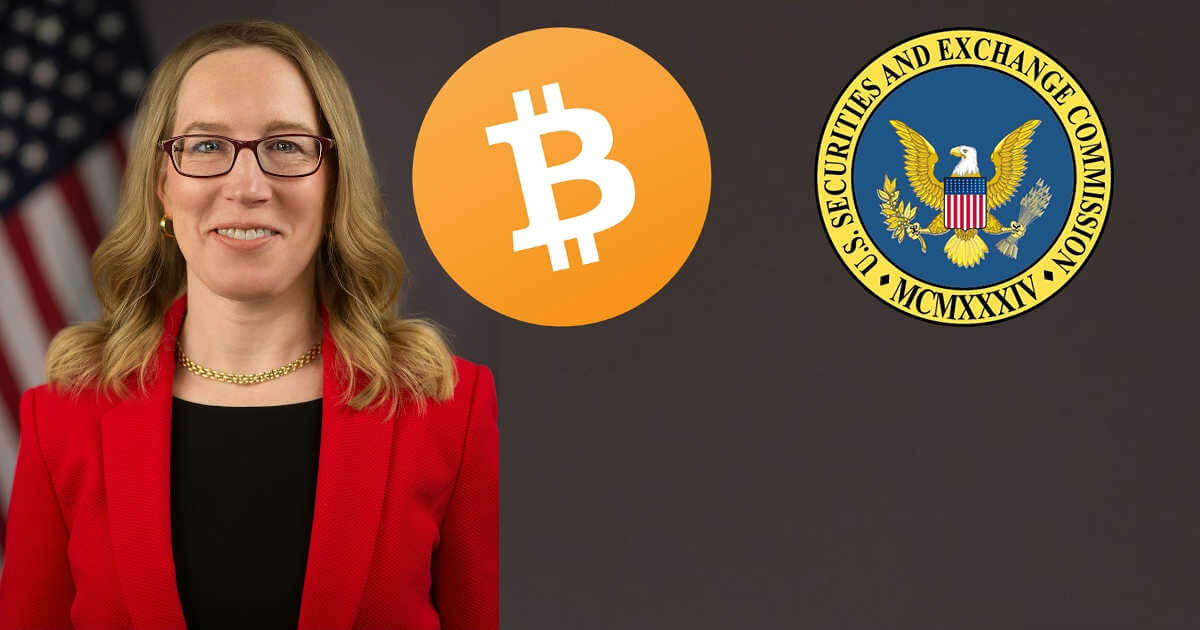
Hester Peirce, a Republican commissioner of the U.S. Securities and Exchange Commission (SEC) known as “crypto mom” for her supportive views on cryptocurrencies, emphasized on Wednesday that tokenized securities must comply with existing securities regulations.

Peirce stated, “As powerful as blockchain technology is, it does not have magical abilities to transform the nature of the underlying asset. Tokenized securities are still securities.” Tokenization refers to converting traditional shares into digital tokens traded on blockchain platforms. Investors holding these tokens own a representation of the underlying securities.

She warned that tokens issued by third parties, rather than the original security issuers, carry distinct risks for investors.

The concept of tokenized securities is gaining traction in the crypto and finance industries as a potential way to innovate trading processes. Coinbase recently revealed it is seeking SEC approval to offer blockchain-based stock trading.

SEC Chairman Paul Atkins, also a Republican, voiced support for fostering innovation but stressed regulatory oversight remains important. Critics argue that tokenization could be exploited to bypass SEC rules, putting retail investors at risk.

Europeans Turn to Local Digital Services Amid U.S. Tech Firms’ Political Shift and Privacy Concerns

As former President Donald Trump’s second term unfolds, many Europeans are increasingly distancing themselves from U.S. tech giants, driven by political unease and growing concerns over digital sovereignty and data privacy.

In Berlin, volunteers at a charity-run market stall by Topio are helping people remove Google services from their smartphones, installing alternative Android versions without Google integration. Michael Wirths, Topio’s founder, said the people now seeking help are no longer just privacy advocates, but politically aware individuals who feel exposed by continued reliance on American tech.

Interest in European digital alternatives has surged in recent months. According to Similarweb, usage of non-U.S. email, search, and messaging services has seen notable growth. Berlin-based Ecosia, an environmentally focused search engine, reported a 27% year-on-year increase in EU traffic, capturing 1% of Germany’s search market. Meanwhile, Swiss-based ProtonMail saw an 11.7% rise in European users, while usage of Google’s Gmail dropped by 1.9%.

The backdrop to this trend includes Trump’s renewed isolationist rhetoric, a U.S. trade war with Europe, and a cooling of transatlantic diplomatic ties. Prominent U.S. tech CEOs including Elon Musk, Jeff Bezos, Mark Zuckerberg, and Sundar Pichai appeared at Trump’s second inauguration, fuelling public concern in Europe over the political alignment of these firms. Musk, previously an adviser to Trump, fell out with the president, but his close past association left an impression.

Digital sovereignty—a call for Europe to reduce dependency on foreign tech—has gained traction. British tech experts report average users, including hairdressers, are asking about alternatives to U.S. services. British software engineer Ken Tindell said his family is deliberately reducing reliance on American platforms, citing inadequate U.S. privacy laws.

The policy climate has further inflamed tensions. U.S. Vice President JD Vance accused Europe of suppressing free speech, while Secretary of State Marco Rubio threatened visa bans for officials who “censor” Americans, potentially including regulators enforcing EU digital laws. U.S. firms like Meta have criticized Europe’s Digital Services Act (DSA), claiming it censors content. However, EU officials argue the DSA is intended to curb online abuse and misinformation.

Privacy experts like Greg Nojeim confirm that European concerns are valid. U.S. laws allow the government broad access to data, even if stored outside the U.S. but managed by American companies.

European governments are beginning to act. Germany’s coalition government has pledged to shift toward open-source software and EU-based cloud services. In Schleswig-Holstein, all public IT systems must use open-source tools. Meanwhile, Berlin funded Ukraine’s use of France’s Eutelsat satellite service over Musk’s Starlink.

Still, completely severing ties with U.S. tech remains unlikely. Infrastructure dependencies—such as content delivery networks and cloud platforms—are largely U.S.-controlled. Ecosia and France’s Qwant still partially rely on Bing and Google for results, and cloud hosting often comes from the very firms they seek to avoid.

Nevertheless, grassroots movements persist. Reddit’s BuyFromEU group has over 200,000 members encouraging users to switch to EU tech alternatives. Messaging app Signal, although U.S.-based, saw a 7% rise in EU use in March, while WhatsApp usage stagnated.

Despite the push, digital rights experts caution that voluntary shifts alone won’t significantly dent Silicon Valley’s market hold. “The market is too captured,” said activist Robin Berjon. “Regulation is needed as well.”