Yazılar

Nvidia’s AI Chip Demand Soars Amid Slowing Revenue Growth

Key Highlights

  • Nvidia, a leader in AI chip technology, forecast its slowest revenue growth in seven quarters, raising concerns among investors accustomed to its remarkable financial performance.
  • Despite the slowdown, Nvidia continues to dominate the AI chip market, with high demand driven by advancements in generative AI technologies.
  • The company’s stock, valued at $3.6 trillion, has seen unprecedented growth but faces heightened scrutiny due to lofty market expectations.

Performance Overview

  • Revenue Projections: Nvidia predicts $37.5 billion (±2%) in Q4 revenue, aligning with but not significantly surpassing analyst expectations of $37.09 billion.
  • Growth Rates: Q4 growth is estimated at 69.5%, a notable decline from the 94% reported in Q3 and previous quarters where revenues often doubled.
  • Market Reaction: Shares fell 5% initially after results but recovered partially, reflecting investor ambivalence.

AI Chip Leadership and Challenges

  • Blackwell AI Chips: Nvidia is rolling out its new Blackwell family of AI processors, initially carrying gross margins in the low 70% range but projected to improve with scaled production.
  • Supply Chain Issues: Limited advanced manufacturing capacity at TSMC, Nvidia’s fabrication partner, has created bottlenecks. Nvidia addressed a design flaw in Blackwell chips and expects improved yields and cycle times as production ramps.
  • Customer Adoption: Major players like Microsoft, Oracle, and CoreWeave are adopting Nvidia’s new systems. CEO Jensen Huang dismissed reports of overheating issues in the liquid-cooled server models, emphasizing the robust engineering behind the products.

Financial and Market Metrics

  • Earnings: Nvidia posted adjusted Q3 earnings of 81 cents per share, exceeding estimates of 75 cents.
  • Data Center Segment: Revenue grew 112% to $30.77 billion, supported by cloud providers expanding their infrastructure to meet generative AI demands. This marks a deceleration from the 154% growth in the prior quarter.
  • Margins: Adjusted gross margin contracted slightly to 75%, with expectations of exceeding 75% as production efficiencies improve.

Market Sentiment

  • Stock Performance: Nvidia shares, which have nearly quadrupled in 2023 and risen ninefold over two years, remain a high bar for investor expectations.
  • Analyst Insights: While Nvidia’s results showcase strong fundamentals, achieving the “huge beats” investors anticipate is becoming increasingly challenging, noted Carson Group’s Chief Market Strategist Ryan Detrick.

Future Outlook

  • Nvidia remains well-positioned as the market leader in AI chips, with continued demand driven by generative AI applications.
  • Challenges include supply chain constraints, high market expectations, and increasing competition as the AI industry matures.

BYD Surpasses Tesla in Quarterly Sales, Signals Strong Future Growth

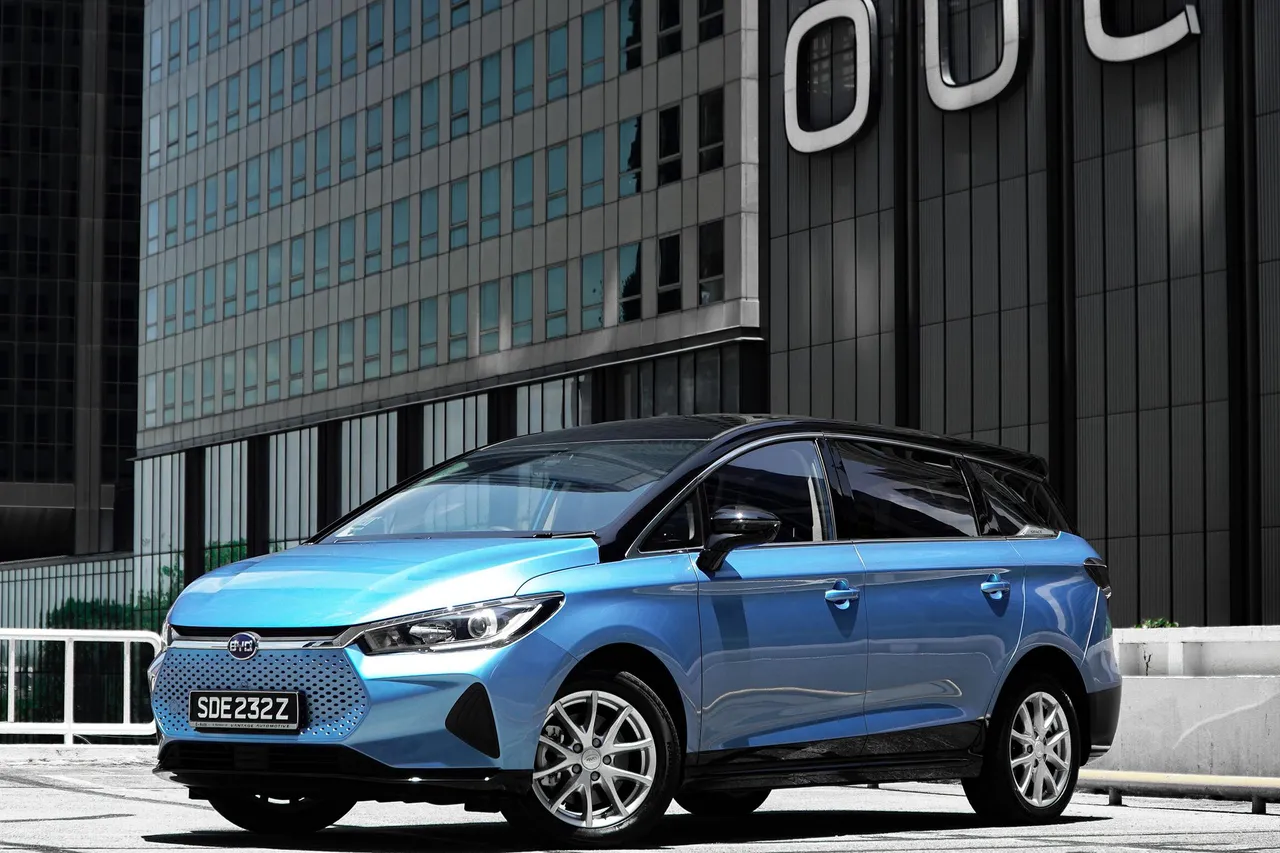
Chinese electric vehicle (EV) manufacturer BYD has overtaken Tesla in quarterly sales, achieving a significant milestone in its latest financial results. BYD reported an impressive revenue of 201 billion yuan ($28 billion) for the three months ending September, surpassing Tesla’s $25.2 billion in revenue by nearly $3 billion. This growth reflects BYD’s rapid expansion, primarily driven by sales of both fully electric and hybrid vehicles, as well as its diversification into mobile handsets and commercial vehicles.

While the direct comparison between the two companies isn’t perfect—BYD’s product portfolio includes hybrids, which Tesla doesn’t produce—the achievement marks a noteworthy shift in the EV market. Excluding BYD’s mobile division, its automotive revenue still closely aligns with Tesla’s, highlighting the company’s progress since pivoting to battery-powered vehicles in 2022.

BYD’s founder and chairman, Wang Chuanfu, is doubling down on innovation, with plans to allocate approximately $6.5 billion to research and development in 2024, significantly outpacing Tesla’s anticipated R&D spending, according to LSEG analyst projections.

The company’s success is largely supported by its domestic market, with Chinese consumers increasingly favoring local brands. This trend has driven nearly two-thirds of the country’s EV sales this year, up from one-third in 2020. International expansion is also in full swing, as BYD has been ramping up production capabilities abroad with new factories in Hungary, Thailand, Turkey, and Brazil. Notably, in August, BYD reported that it sold more vehicles from its overseas factories than it exported directly from China, underscoring its strategic shift to global manufacturing.

Despite BYD’s growth, Tesla retains advantages in certain areas. Its Shanghai factory achieved record-low production costs per vehicle in the third quarter, supporting a net profit of $2.2 billion, higher than BYD’s $1.63 billion. Tesla’s advanced driver assistance technology, branded as “Full Self-Driving,” also remains a unique differentiator, though it’s not yet fully autonomous.

While Tesla maintains these strategic advantages, BYD’s growing market presence and aggressive expansion plans signal a formidable competitor in the EV industry.