Yazılar

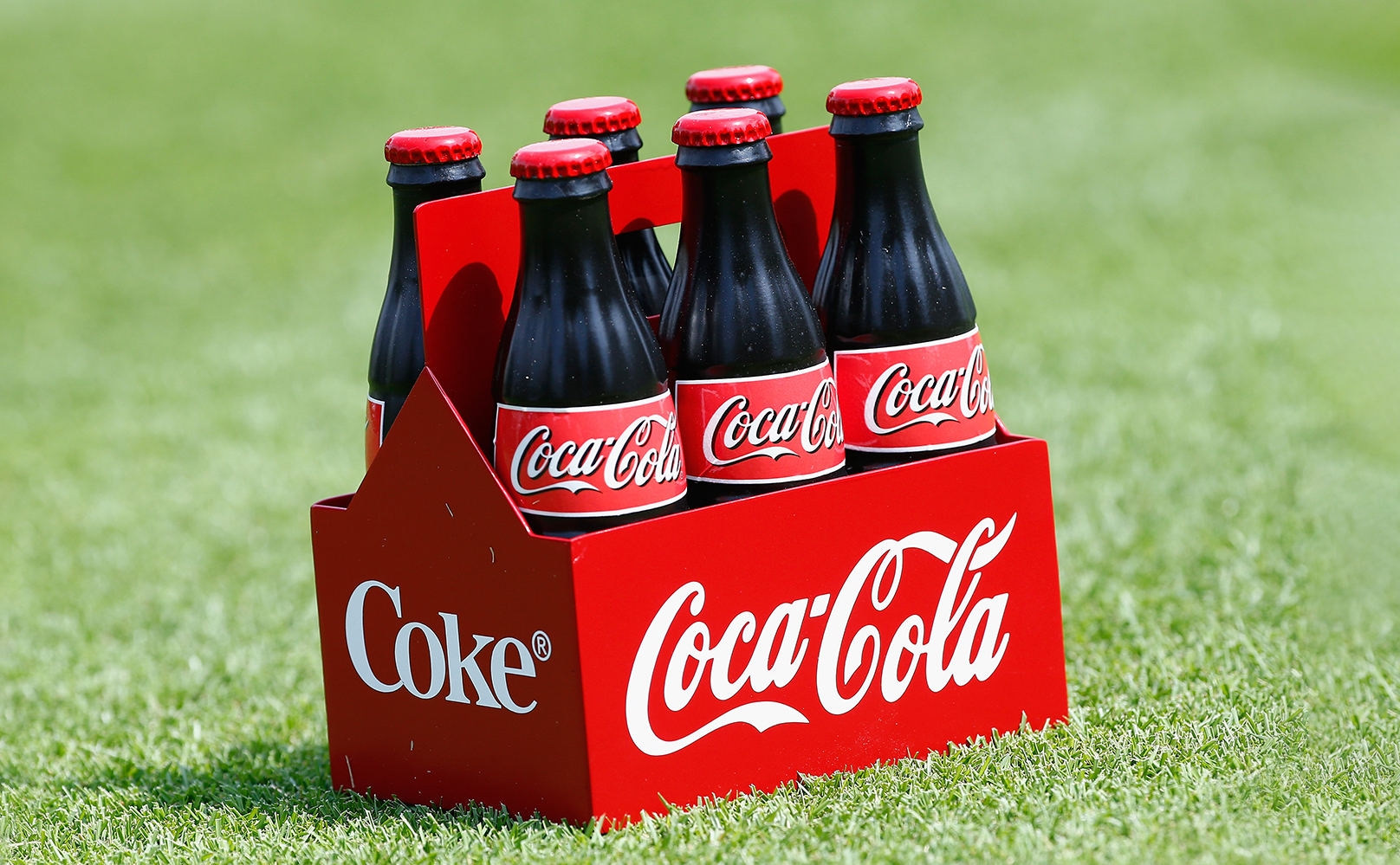
Coca-Cola Set to Report Q3 Earnings: What to Expect

Coca-Cola is preparing to release its third-quarter earnings report on Wednesday before the market opens. Wall Street analysts surveyed by LSEG are anticipating earnings per share (EPS) of 74 cents and revenue of $11.60 billion.

In recent quarters, Coca-Cola has outperformed its main competitor, PepsiCo. PepsiCo has been dealing with setbacks, including the Quaker foods recall, slowing snack sales, and underperformance in its energy drink segment. In contrast, Coca-Cola has benefited from strong demand in its international markets, which has helped counterbalance weaker demand in the U.S., where consumers have been dining out less. This decline in off-premise sales prompted Coke to partner with restaurant chains to offer combo meal deals, aiming to attract customers back to the brand.

Despite the challenges in the U.S. market, Coca-Cola raised its full-year outlook during the last quarter and expressed confidence in its ability to meet those targets for the second half of the year. For 2024, the company expects organic revenue growth of 9% to 10% and comparable earnings growth in the range of 5% to 6%.

Shares of Coca-Cola have increased by 18% so far this year, bringing the company’s market value close to $300 billion.

Best Buy Raises Full-Year Profit Outlook After Beating Earnings and Revenue Expectations

Best Buy raised its profit forecast for the fiscal year after reporting stronger-than-expected earnings and revenue for the recent quarter. The company now anticipates full-year adjusted earnings per share (EPS) between $6.10 and $6.35, an increase from its previous range of $5.75 to $6.20. This comes as Best Buy works through an ongoing sales slump amid softer consumer demand following the pandemic-era tech boom and high inflation pressures.

For the quarter ending August 3, Best Buy exceeded Wall Street’s expectations, posting an EPS of $1.34 compared to the expected $1.16, and revenue of $9.29 billion against the anticipated $9.24 billion. Despite a year-over-year decline in net sales from $9.58 billion to $9.29 billion, the company’s net income grew to $291 million, up from $274 million last year.

While comparable sales fell by 2.3%, this marks a significant improvement from the 6.2% decline seen during the same period last year. The retailer has faced challenges with declining consumer electronics sales, which have been forecasted to drop another 2% in 2024 according to Circana.

Best Buy is positioning itself for recovery through several key initiatives. The company is focusing on boosting sales in computing, appliances, and home theater by deploying trained sales teams to these areas, and it is also launching a marketing campaign to engage consumers, including YouTube videos to highlight tech products.

The retailer is banking on new technology rollouts, such as Apple’s new iPads and AI-enabled laptops from Microsoft, to reignite interest and spur spending as the replacement cycle for pandemic-era tech products begins to take shape. Best Buy anticipates increasing stabilization in the industry as 2024 approaches, despite the ongoing challenges in the consumer electronics market.

Bristol Myers Squibb Beats Earnings Estimates and Raises Outlook Amid Cost-Cutting Measures

Bristol Myers Squibb reported strong second-quarter earnings, surpassing Wall Street expectations and raising its full-year guidance as part of its broader strategy to cut costs and reinvest in key drug brands and R&D programs. The pharmaceutical giant has outlined plans to reduce $1.5 billion in expenses by 2025, which includes laying off over 2,000 employees and consolidating its sites.

Key Financial Highlights:

  • Earnings per share: Adjusted EPS of $2.07, compared to an expected loss of $1.63.
  • Revenue: $12.2 billion, up 9% year-over-year, versus the expected $11.55 billion.
  • Net income: $1.68 billion, or 83 cents per share, down from $2.07 billion, or 99 cents per share, in the prior year.

Guidance Update:

  • Full-year revenue forecast: Now projected to increase at the “upper end” of the low single-digit range, up from a low single-digit increase.
  • Full-year adjusted earnings guidance: Raised to 60-90 cents per share, up from the previous forecast of 40-70 cents per share.

Shares of Bristol Myers rose nearly 8% following the earnings report.

Performance Drivers:

  • Eliquis: The blockbuster blood thinner recorded $3.42 billion in sales, a 7% increase year-over-year, aligning with analyst expectations. Eliquis, which Bristol Myers co-owns with Pfizer, is anticipated to lose market exclusivity by 2028.
  • Revlimid: Despite facing competition from generics, the blood cancer drug brought in $1.35 billion in sales, surpassing the estimated $1.09 billion.
  • Opdivo: The cancer drug generated $2.39 billion in sales, exceeding the expected $2.29 billion.

Growth Portfolio:

  • Reblozyl: Sales were above analysts’ expectations, contributing significantly to the company’s growth.
  • Opdualag and Camzyos: Both drugs, along with Opdivo, drove revenue growth within the portfolio.
  • Abecma: The cell therapy for multiple myeloma recorded $95 million in sales, close to the expected $95.8 million.

Bristol Myers continues to face pressure to innovate and introduce new drugs to compensate for revenue losses from key treatments like Revlimid, Eliquis, and Opdivo, which will eventually lose their market exclusivity.

The company’s proactive measures to cut costs and reinvest in strategic areas underscore its commitment to sustaining growth and competitiveness in the pharmaceutical industry.