Yazılar

TeamViewer Sets Medium-Term Growth Targets After 1E Acquisition

TeamViewer, the German software developer, revealed its medium-term revenue growth goals on Wednesday following the completion of its $720 million acquisition of IT firm 1E, resulting in a 5% rise in its shares. The company forecasts that its revenue will reach between 1.03 billion and 1.06 billion euros ($1.07-$1.10 billion) by 2028, with an adjusted EBITDA margin of 44% to 45%.

In the fiscal year 2024, TeamViewer reported revenue of 671 million euros, maintaining a 44% adjusted EBITDA margin. After the announcement of its acquisition of 1E in December, TeamViewer’s shares initially faced a decline of over 20%, but have since gradually rebounded, supported by stronger-than-expected preliminary full-year results.

CEO Oliver Steil highlighted that while acquisitions are never inexpensive, the purchase of London-based 1E provides TeamViewer with blue-chip customers and enhances its presence in the U.S. market, offering strong synergy potential for both short- and long-term growth. TeamViewer’s enterprise business, contributing around 23% of total revenue, has been increasing in importance, with a 37% revenue rise in Q4 2024 to 45.5 million euros, primarily driven by seasonal factors.

The Americas, which account for roughly 35% of TeamViewer’s total revenue, have shown an improvement in customer sentiment following the U.S. presidential election, after a period of slower purchasing and uncertainty.
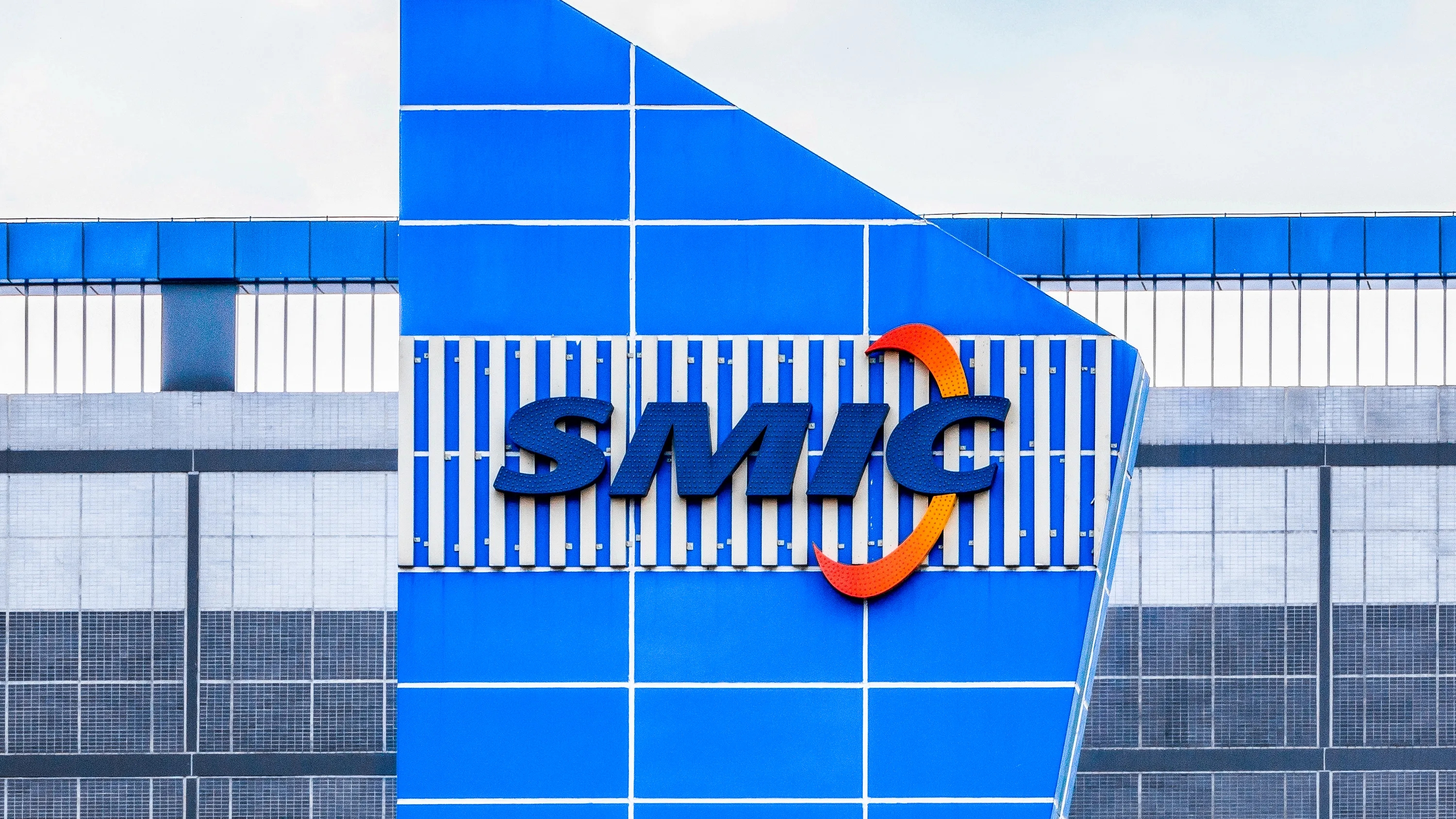

China’s SMIC Flags Chip Oversupply Risk on Weakening Demand, Rising Output

Semiconductor Manufacturing International Corp. (SMIC), China’s largest chipmaker, has raised concerns about a potential oversupply of mature-node chips in the second half of 2025. The company, which specializes in established chips used in consumer electronics and home appliances, noted that the market could face an imbalance due to weakening demand and increased output.

During the COVID-19 pandemic, SMIC benefited from a surge in demand for its chips as people relied on consumer electronics during stay-at-home orders. However, as people return to offices and replacement demand slows, SMIC has experienced a drop in consumer-driven demand. Advanced chips for Huawei smartphones account for a small portion of SMIC’s revenue, with the company never confirming whether it produces chips for Huawei.

Co-CEO Zhao Haijun warned analysts that two key factors could impact the second half of 2025. First, the company expects a decline in order volume as demand for chips has been pulled forward into the first half of the year. Second, the increase in production capacity across the industry is likely to result in price competition among manufacturers for orders.

SMIC reported a 31.5% year-on-year increase in revenue for the October-December period, reaching $2.2 billion, meeting market expectations. The company expects first-quarter revenue to grow by 6% to 8% compared to the previous quarter. The positive share movement was attributed to broader optimism in Chinese stocks and the development of cost-effective AI models by DeepSeek, which could benefit domestic chipmakers like SMIC.

Despite the challenges, SMIC’s strong first-quarter outlook and steady capital expenditure (CAPEX) plans have bolstered investor confidence. In 2023, SMIC’s capital expenditure surged to $7.3 billion from $4.5 billion in 2021, and the company expects to maintain a similar level in 2024 and 2025.

However, SMIC’s gross profit margin has seen a decline, dropping to 20% in 2023 compared to over 30% in previous years. While profitability improved in the October-December period, Zhao expects continued pressure on profitability in 2025 due to rising depreciation costs from increased capital expenditure. Profit attributable to owners of SMIC was reported at $107.6 million for the period, below analysts’ expectations of $193.45 million.

Shopify Reports Strong Holiday Sales, But Profit Outlook Disappoints

Shopify (SHOP.TO) experienced its strongest quarterly revenue growth in three years on Tuesday, driven by robust consumer spending and the company’s integration of AI features aimed at supporting its sellers. The Canadian e-commerce giant reported a 31% year-over-year revenue increase, reaching $2.81 billion for the fourth quarter, surpassing analysts’ expectations of $2.73 billion.

The company’s success was fueled by strong holiday sales and the launch of its AI-driven tools, known as ‘Shopify Magic,’ which assist merchants with tasks such as inventory management and image generation. These AI tools are available to all subscription tiers for free, further attracting merchants to the platform.

Despite the strong revenue growth, Shopify’s shares fell approximately 2% in early trading. Investors expressed concerns over the company’s weaker-than-expected profit forecast for the current quarter. The company’s high investments in technology, marketing, and global expansion, coupled with rising cloud and infrastructure hosting costs, have led to concerns about margin growth.

Shopify’s CFO, Jeff Hoffmeister, acknowledged that while these costs may not significantly impact future quarters, the company plans to continue investing heavily in research and development. This expansion strategy includes venturing into new markets, which, while promising, could put pressure on profitability in the short term.

The company’s forecast for gross profit growth in the current quarter—projected to be in the low-twenties percentage range—falls below analysts’ expectations of a 24.2% increase. Additionally, Shopify’s forecast for operating expenses as a percentage of revenue, which is expected to be between 41% and 42%, also exceeded analysts’ expectations, further contributing to investor concerns about potential profitability challenges.