Yazılar

Tesla’s Robotaxi Rollout in Texas Raises Concerns Over Safety and Regulation

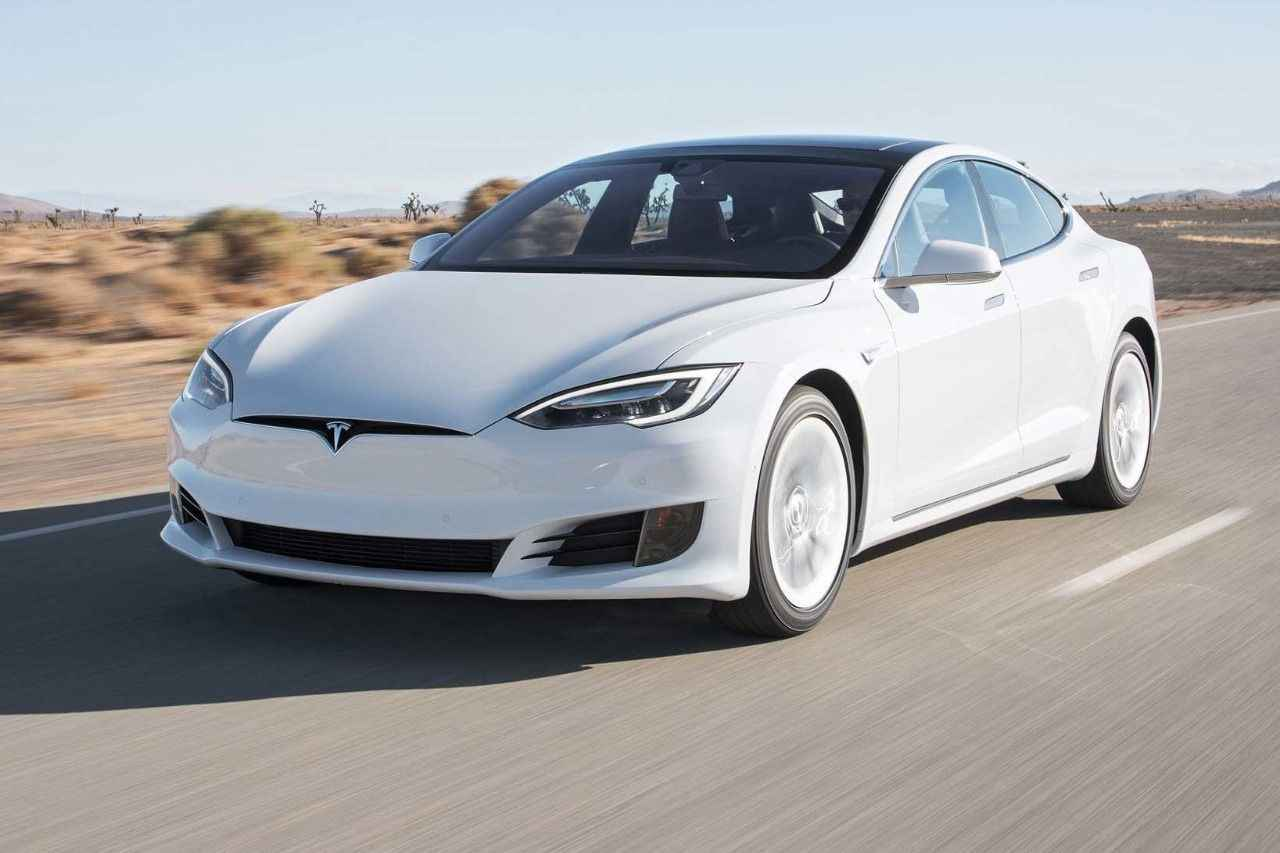
Elon Musk announced in late January that Tesla plans to launch its autonomous ride-hailing service, which he refers to as “robotaxis,” by June in Austin, Texas. This announcement has raised questions regarding Tesla’s willingness to push unproven driverless technology onto public streets, especially in a state with minimal regulatory oversight.

Tesla has been criticized for accidents involving its driver-assistance systems, Autopilot and Full Self-Driving (FSD), blaming customers for accidents while advising them to remain ready to take control of the vehicle. With this new initiative, Musk aims to deploy fully autonomous taxis, putting the company directly in the line of responsibility for any crashes, according to legal experts.

Despite years of promises about fully self-driving vehicles, Tesla has failed to deliver. Musk has set a goal to launch these autonomous taxis in Texas, a state with almost no regulatory control over autonomous vehicles. Texas law allows companies to operate driverless cars on public roads as long as they are registered, insured, and equipped to record crash data, without needing approval from a state agency.

Musk’s Tesla headquarters relocation to Austin in late 2021 was partly motivated by Texas’s hands-off regulatory approach, a stance that aligns with Musk’s broader political views. Critics, including legal experts, believe that Texas’s lack of oversight could allow Tesla to bypass important safety and testing procedures, potentially endangering public safety. Unlike in California, where companies like Waymo and Cruise have had to log millions of miles under strict regulations to gain approval for paid robotaxi services, Tesla’s approach will likely face far fewer hurdles.

Despite promising an unsupervised version of FSD in 2023, Tesla has logged just 562 miles of testing in California, far fewer than other autonomous vehicle companies. Even so, Musk’s plans for June have left investors and experts guessing. Musk’s promise of a fully autonomous ride-hailing system lacks details about scale, availability, or how it will function in practice.

Legal experts also believe that Tesla may begin with limited tests in Austin, potentially in controlled areas with human intervention via remote control to prevent accidents. However, residents in Austin have already raised concerns about safety, citing multiple near-miss incidents involving other robotaxis on the streets. Local authorities have also struggled with enforcement, as Texas law allows driverless vehicles to operate with limited oversight, leaving cities like Austin feeling powerless.

GM Completes Full Acquisition of Cruise to Focus on Autonomous Personal Vehicles

General Motors (GM) announced on Tuesday that it has completed the full acquisition of its Cruise division, signaling a shift in focus toward developing autonomous technology for personal vehicles, rather than continuing with the robotaxi business. This strategic move comes after GM decided in December to halt funding for Cruise’s robotaxi operations, following a series of challenges including a pedestrian injury caused by one of its robotaxis.

GM plans to integrate Cruise’s autonomous technology into its Super Cruise system, which allows hands-free driving on 750,000 miles of North American roads. Super Cruise is already available on over 20 GM vehicle models, and the company aims to expand its use in urban environments. The merger also involves significant staff reductions, with Cruise cutting around 50% of its workforce, impacting nearly 1,000 employees according to sources close to the matter.

The goal of the acquisition is to accelerate the development of autonomy at scale for personal vehicles, rather than robotaxis. GM believes that this merger will help advance both assisted driving and full autonomy. The company has forecasted that Super Cruise will generate approximately $2 billion in annual revenue within the next five years.

Dave Richardson, senior vice president of software and services engineering at GM, expressed that this move will speed up efforts to bring autonomous driving capabilities to personal vehicles. The transition marks a pivotal moment for GM, as it shifts its focus toward achieving greater success with its hands-free driving technology.


Tesla Shares Rise as Musk Promises Cheaper EVs and Autonomous Ride-Hailing

Tesla shares climbed more than 2% on Thursday after CEO Elon Musk announced plans to launch lower-cost electric vehicles (EVs) in the first half of 2025 and begin testing an autonomous ride-hailing service in June. These commitments helped investors look past a weaker-than-expected fourth quarter, which saw declining revenue and shrinking margins due to delayed model upgrades and rising competition.

Despite Tesla’s first annual decline in deliveries in 2024, the company assured investors that its vehicle business would return to growth in 2025. However, Tesla did not reaffirm Musk’s earlier forecast of a 20-30% sales increase for next year.

Morgan Stanley analysts noted that Tesla is shifting from being a traditional automotive company to a diversified player in AI and robotics. Investors remain optimistic, especially as Musk’s support for U.S. President Donald Trump could lead to more favorable regulatory conditions for Tesla’s robotaxi ambitions.

Musk revealed that Tesla will begin unsupervised testing of its autonomous ride-hailing service in Austin, Texas, though he did not provide specific details on how it would function. The company also did not share pricing details for its upcoming affordable EV models.

If Tesla’s stock gains hold, its market value could rise by approximately $28 billion. The stock surged 62.5% in 2024 and is currently trading at 118 times its 12-month forward earnings, significantly higher than Ford (6.07) and General Motors (4.48).

At least 19 brokerages have raised their price targets for Tesla stock, with a median target of $300, up from $278 at the end of December. Analysts believe that Tesla’s growth will be fueled by Full Self-Driving technology and the introduction of an affordable EV. However, some experts remain cautious about Musk’s timeline for launching robotaxis, citing regulatory challenges, particularly in Europe and China.

Tesla also announced an increase in its capital expenditure forecast, expecting to spend over $11 billion in 2025 and the following two fiscal years.