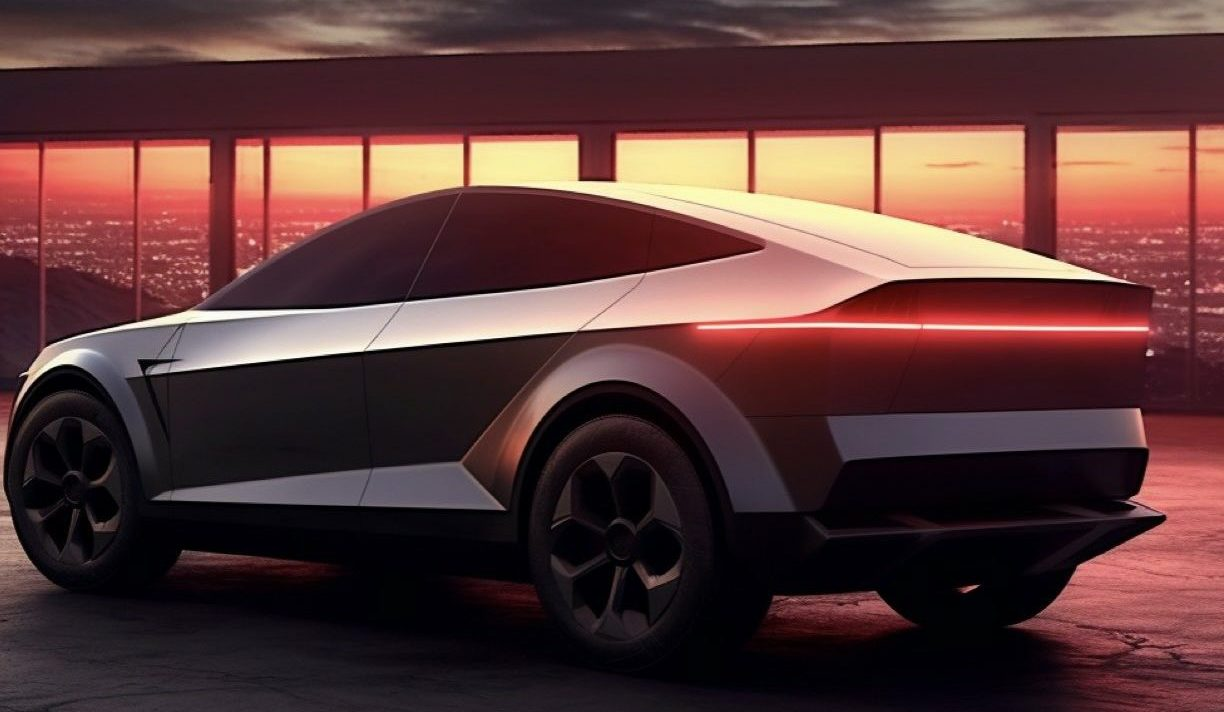
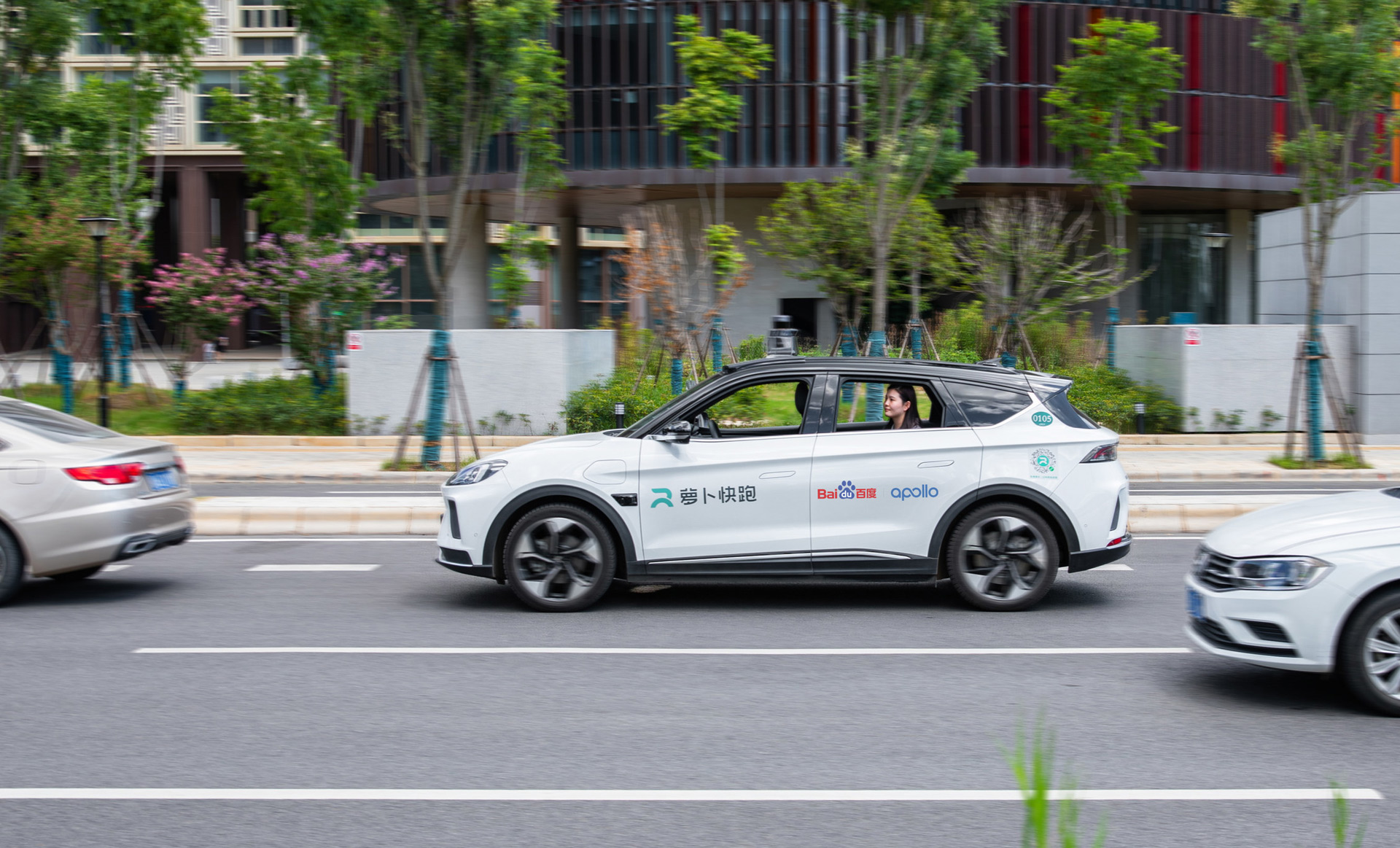
Tesla CEO Elon Musk has long envisioned a future where Tesla’s robotaxis, powered by self-driving technology, are a part of everyday transport. Yet Tesla faces major regulatory and technological challenges to achieving this vision. With Donald Trump’s election victory, Musk may find an opportunity to push for favorable regulations to speed up Tesla’s progress in the self-driving car arena. Musk, a prominent supporter of Trump, contributed over $119 million to Trump’s campaign and may now hold influence in shaping policies that could ease Tesla’s regulatory burden.
Navigating State Regulations and Seeking Federal Reform
Currently, Tesla must navigate a patchwork of state-level regulations on autonomous vehicles. In an October earnings call, Musk criticized this state-by-state approach, expressing hope for a unified federal regulatory standard. Musk is expected to advocate for a federal approval process for autonomous vehicles, leveraging his close relationship with Trump. If a centralized approval process were to materialize, Tesla could potentially bypass stricter state requirements, especially in California, where the regulatory landscape has slowed Tesla’s robotaxi development.
Musk’s ties to the incoming administration could prove influential in appointments to the Department of Transportation, which oversees the National Highway Traffic Safety Administration (NHTSA) and could be instrumental in nationalizing autonomous vehicle regulations. However, even if federal regulations ease, Tesla would still face technological and legal obstacles, such as proving the safety of its autonomous technology and addressing liability and insurance concerns.
Technological Hurdles and California’s Stringent Standards
Despite Musk’s enthusiasm, Tesla’s current self-driving technology is significantly behind competitors in testing mileage and approval status. Tesla has only logged 562 miles of autonomous testing on California roads since 2016 and has not submitted reports to California regulators since 2019. In contrast, Alphabet’s Waymo has logged over 13 million testing miles in California, earning permits to operate a commercial robotaxi fleet. While Musk envisions a Tesla fleet capable of fully autonomous operation, experts warn that Tesla’s current “Full Self-Driving” system still requires human oversight and is not ready for full autonomy.
The California Department of Motor Vehicles, which enforces strict guidelines, could pose a barrier to Tesla’s national robotaxi ambitions. For example, only six companies, including Amazon’s Zoox and General Motors’ Cruise, have achieved driverless testing approvals after logging millions of supervised miles. Achieving these approvals is crucial for Tesla, as California remains the largest market for Teslas in the U.S. and is a key testing ground for autonomous vehicles.
Tesla’s Business Model and Unique Challenges
Tesla’s approach to autonomous driving differs from most competitors. While Waymo and other companies operate robotaxi fleets in limited, heavily mapped areas and use multiple redundant safety systems, Tesla aims to sell vehicles capable of driving autonomously in any location. Musk has emphasized Tesla’s focus on “computer vision,” relying on cameras and AI to navigate, unlike Waymo’s use of radar and lidar for additional environmental mapping. Musk has repeatedly claimed that Tesla’s technology will be ready within a year, although these predictions have often gone unfulfilled.
Another unique aspect of Tesla’s robotaxi model is its potential liability exposure. Tesla has avoided full autonomy so far, partly to limit liability in the event of accidents, as it can place responsibility on drivers under current semi-autonomous systems. However, deploying fully autonomous vehicles could shift legal responsibility onto Tesla, as the absence of a driver would remove shared accountability in accidents.
Federal vs. State Jurisdiction and the Path Ahead
If federal regulations were to preempt state laws, Tesla could benefit from reduced regulatory barriers in states with stringent requirements like California. Yet the division between state and federal jurisdiction remains complex. NHTSA regulates vehicle design, while states govern driver behavior, leaving ambiguity in cases where the “driver” is an AI system. Bryant Walker Smith, a legal expert, notes that NHTSA might interpret its authority more broadly if pushed toward a certain political outcome, potentially leading to national autonomous-vehicle standards.
Still, federal easing of regulations may not eliminate legal risks. Autonomous vehicle companies operating in less-regulated states, like Texas, where regulations are minimal, may face significant liability challenges. Without strict state-mandated standards, Tesla would have less regulatory support to defend its safety claims if autonomous Teslas were involved in accidents.
Market Reactions and Tesla’s Future
Despite the obstacles, Musk’s announcements have impacted investor sentiment. While a recent robotaxi unveiling saw Tesla stock dip due to perceived lack of detail, shares have risen over 30% since Trump’s election, reflecting investor optimism about possible regulatory support for Tesla’s autonomous-driving ambitions. Nevertheless, Tesla remains behind its rivals in testing and approvals, with Musk’s vision still requiring years of development.
Looking forward, Tesla’s success with robotaxis will likely depend not only on federal policy changes but also on advances in technology and comprehensive testing. For Tesla, achieving a seamless integration of autonomous vehicles into the market will require addressing both regulatory and legal complexities, along with convincing both regulators and the public of the safety and reliability of its self-driving system.