Yazılar

Tesla’s Sporty, Two-Seater Robotaxi Design Puzzles Experts

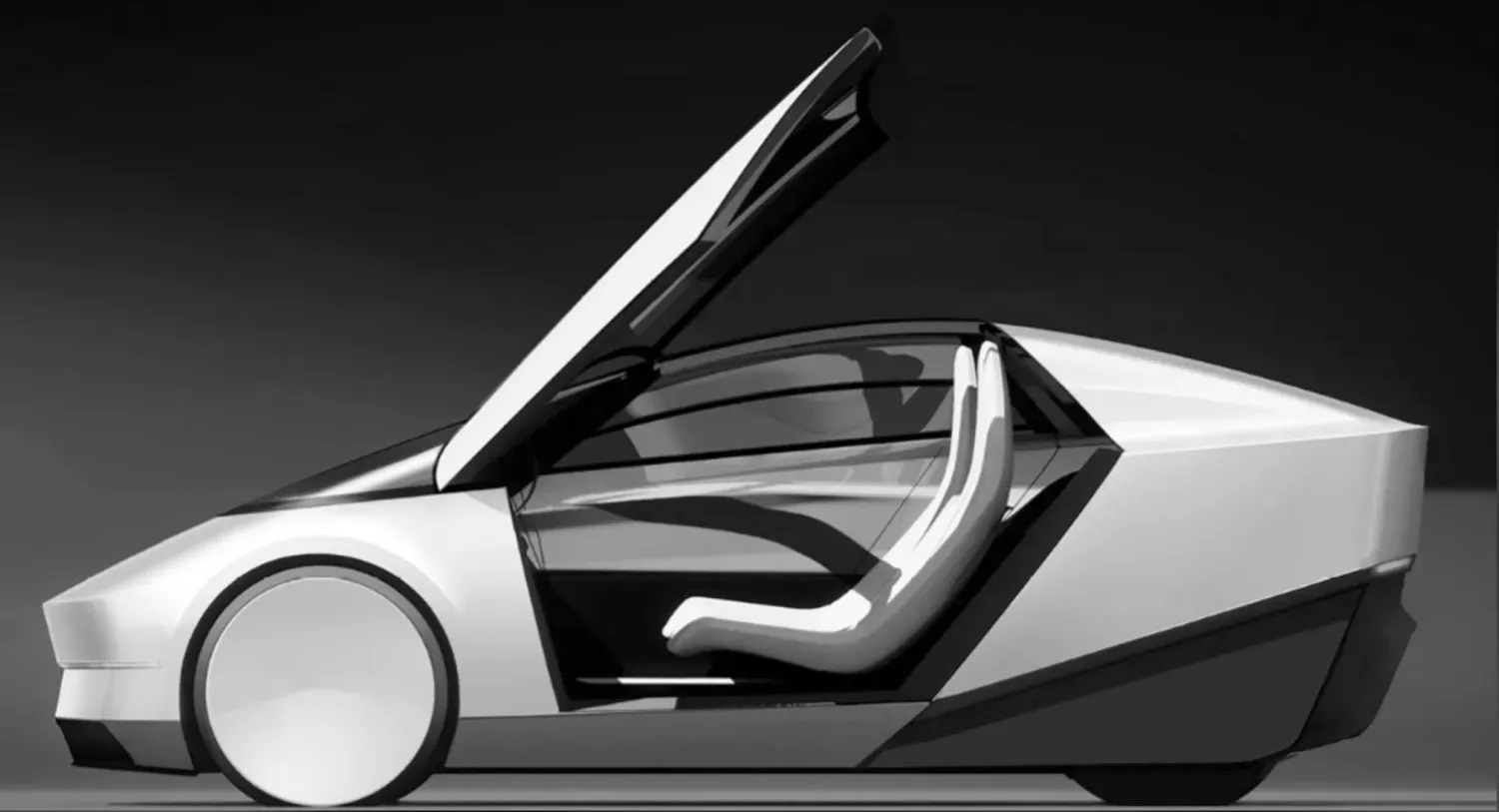
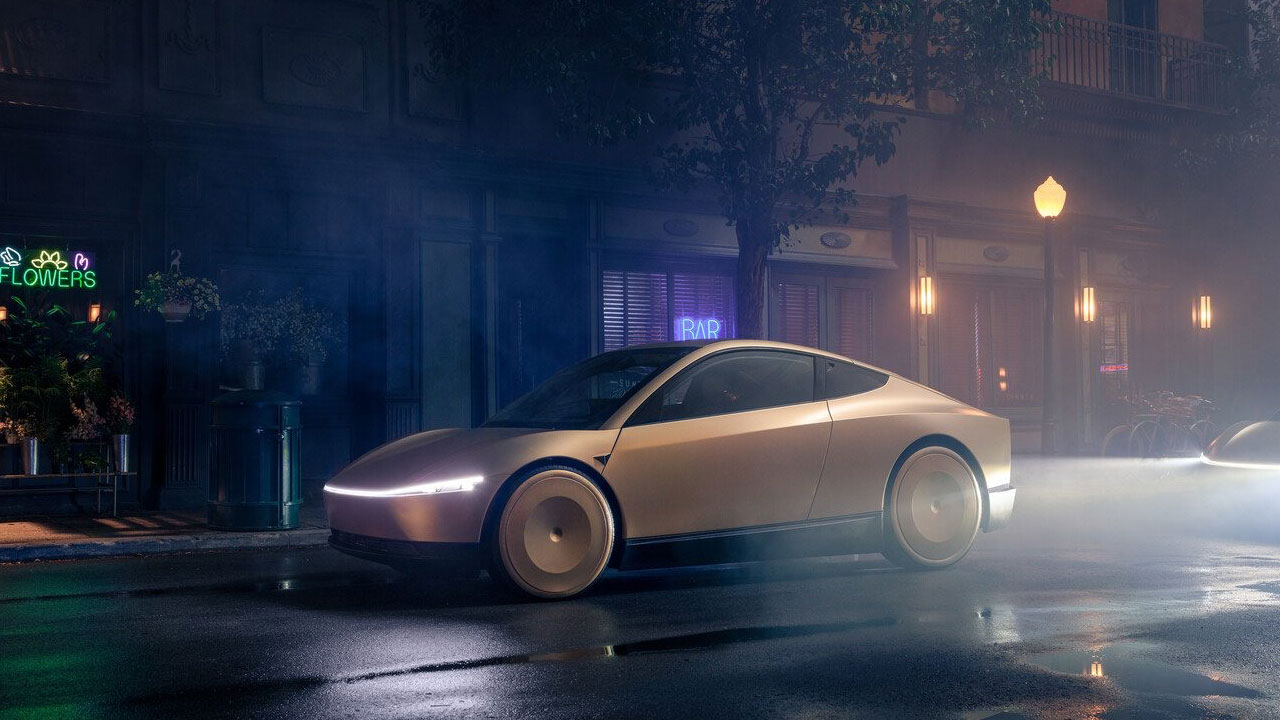
Tesla’s latest announcement of a two-seater robotaxi, dubbed the Cybercab, has left investors and experts perplexed. Unveiled by CEO Elon Musk at a much-hyped event near Los Angeles, the Cybercab is set to go into production in 2026 and cost less than $30,000. However, the vehicle’s low-slung, sporty coupe design—far from the traditional roomy taxi—has sparked confusion over its practicality for broader market needs.

The key concern raised by experts and investors alike revolves around the vehicle’s seating capacity and suitability as a taxi. Most people expect taxis to accommodate multiple passengers and have room for luggage, making the two-seater design puzzling. As Jonathan Elfalan, vehicle testing director at Edmunds.com, pointed out, “When you think of a cab, you think of something that’s going to carry more than two people.”

Tesla’s stock tumbled 9% on Wall Street the day after the reveal, as investors questioned the logic behind the design and Musk’s lack of detailed financial plans for the Cybercab. Analysts are particularly concerned about whether Tesla is targeting the right market. According to Sandeep Rao, a senior researcher at Leverage Shares, the market for two-door vehicles in the U.S. is tiny, comprising only 2% of car sales (excluding SUVs and pickups), which limits the appeal of the Cybercab.

Tesla also faces stiff competition in the robotaxi space. Companies like Waymo, owned by Alphabet, and Zoox, backed by Amazon, have already launched robotaxis with more practical designs. For instance, Waymo’s fleet of Jaguar Land Rover vehicles seats up to four passengers, a far cry from Tesla’s two-seater. Former Waymo CEO John Krafcik remarked that Tesla’s design seemed “more playful than serious,” emphasizing that its configuration could create challenges for older passengers and people with disabilities.

During the presentation, Musk promised that the Cybercab would have an operating cost of just 20 cents per mile, claiming this could make it cheaper to operate than public transport. However, he failed to clarify how Tesla plans to mass-produce these vehicles, obtain regulatory approvals, or compete with existing players like Waymo that are already operating robotaxis in certain U.S. cities.

Musk also teased the idea of a futuristic robovan capable of seating up to 20 people, but he did not provide a timeline for its production. While some believe that Tesla’s Cybercab may be a way to quickly introduce an autonomous vehicle to the market, the consensus among experts is that larger, more practical robotaxis will be necessary for Tesla to succeed in this space.

Analyst Sam Fiorani from AutoForecast Solutions noted that two-seaters have long been proposed as commuter vehicles but have never gained widespread traction. Similarly, Blake Anderson, a senior investment analyst at Carson Group, remarked that the two-seater design doesn’t align with Tesla’s goal of creating a mass-market, low-cost vehicle to expand its appeal.

Despite the mixed reactions, Musk remains optimistic about the potential of the robotaxi business, which he believes could eventually push Tesla’s valuation to $5 trillion, up from its current $700 billion. However, the Cybercab’s niche design, and the challenges it faces in a still-developing, tightly regulated market, suggest that Tesla will need to refine its approach to stay competitive.
Jim Cramer Advises Caution on Tesla Stock After Cybercab Debut Flops

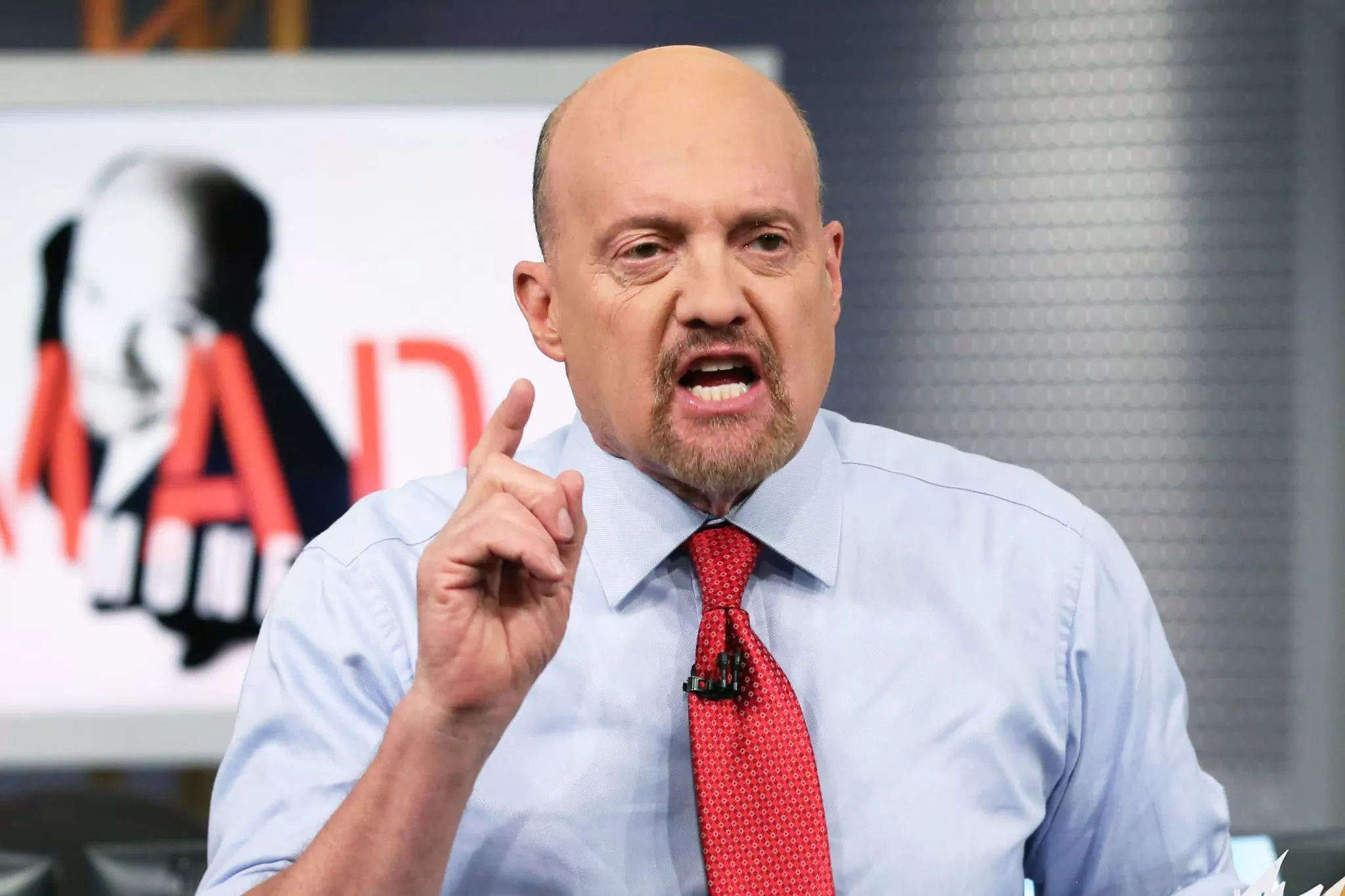
After Tesla’s highly-anticipated Cybercab debut underwhelmed investors, CNBC’s Jim Cramer urged caution for those holding Tesla stock. Despite the excitement surrounding the unveiling of Tesla’s new robotaxi, the event fell short of delivering crucial details, leading Cramer to recommend a neutral approach to the stock.

During his show, Mad Money, Cramer commented that while Tesla CEO Elon Musk presented a visually impressive robotaxi concept, the lack of substantive information about the vehicle’s costs and rollout timeline left much to be desired. Cramer noted that investors should “stay on the sidelines” for now, as Tesla’s future in autonomous driving is still unclear.

Disappointing Market Reaction

Tesla, which has struggled with weak financial quarters earlier this year, needed a significant win to regain momentum. Musk had teased self-driving technology as a way to differentiate Tesla from other electric vehicle (EV) makers, especially as competition from Chinese EV companies intensifies. However, the Cybercab event failed to meet market expectations, and by the close of trading on Friday, Tesla shares had dropped 8.78%.

Cramer acknowledged that while it’s tempting to short Tesla stock after such a significant market reaction, he advised against it, calling it “dangerous to bet against Elon Musk.” The uncertainty around Tesla’s autonomous driving capabilities has caused investors to question whether Tesla can make the transition from being seen purely as an EV maker to a legitimate player in the self-driving space.

Competitive Landscape

As Tesla stumbled, rideshare companies like Uber and Lyft saw their stocks rise, with Uber hitting an all-time high. The threat that Tesla’s robotaxis could pose to rideshare companies has seemingly diminished for now, as the lack of concrete details from Tesla’s event reassured investors that Cybercab won’t be disrupting the rideshare industry anytime soon.

Tesla’s challenge extends beyond the unveiling flop. Cramer emphasized that the EV market, once expected to be vast and profitable, has proven smaller than anticipated. For Tesla to successfully pivot to self-driving technology, it will need to offer more than flashy concepts and provide the kind of specific, actionable details investors and analysts crave.

In closing, Cramer reiterated his stance, advising investors to wait and see before making any moves with Tesla stock, given the uncertainty surrounding its autonomous driving ambitions.

Elon Musk Unveils Futuristic ‘Cybercab’ Robotaxi, Yet Faces Skepticism Over Timelines

Tesla CEO Elon Musk presented his latest vision for a future dominated by self-driving vehicles, revealing designs for the highly anticipated Cybercab robotaxi at a star-studded event in California on Thursday. Musk’s bold vision includes a world where autonomous vehicles operate without human intervention, transforming cityscapes by replacing parking lots with parks and ushering in a new “age of abundance.”

The futuristic designs featured sleek, metallic aesthetics, evoking a sci-fi world that Musk compared to the dystopian movie “Blade Runner”—though with a more optimistic twist. The presentation also showcased a Robovan, designed for larger groups or cargo, alongside the Cybercab. These driverless vehicles, Musk promised, would be on the roads within a few years, with the Cybercab slated for production by 2026.

Familiar Promises, New Skepticism

Musk is no stranger to making ambitious promises. His timeline for the Cybercab is just the latest in a series of delayed targets. In 2019, Musk claimed Tesla’s fleet of self-driving cars would be available by 2020. That timeline was missed, with Musk later admitting that he tends to be “a little optimistic” about deadlines. During Thursday’s event, even though the unveiling was delayed by nearly an hour, Musk maintained the enthusiasm of the crowd, who cheered for his 20-minute presentation.

Tesla’s Full Self-Driving (FSD) feature, which is available for $8,000, has yet to fulfill its promise of complete autonomy, still requiring human drivers to remain alert and take control when necessary. Musk claimed that in states like California and Texas, Teslas with FSD will be fully autonomous by next year, provided state regulators give their approval.

The Cybercab, unlike Tesla’s current vehicles, will be designed specifically for fully autonomous operation, with no steering wheel, brake pedals, or accelerator. It will feature a wireless charging system that charges the vehicle by driving over a charging plate, eliminating the need for plugs.

Competitive Landscape: Falling Behind?

While Musk’s presentation was met with fanfare, Tesla faces significant competition in the autonomous driving space. Companies like Google’s Waymo and Amazon’s Zoox have already deployed self-driving services in select cities. Tech journalist Kara Swisher, a frequent critic of Musk, pointed out that while Tesla is still showcasing prototypes, Waymo has been operational in San Francisco for some time. Swisher sarcastically referred to Tesla’s Robovan design as “a lovely toaster on wheels,” highlighting that other companies have moved beyond the conceptual stage to real-world deployment.

Overcoming Technical and Regulatory Challenges

Tesla’s FSD technology, while impressive, is far from perfect. Some independent testing shows that drivers need to intervene every 13 miles on average. Musk has admitted that previous timelines for achieving full autonomy were “overly optimistic” but continues to project confidence, stating that Tesla’s system will be safer than human drivers by the end of this year.

Analysts like Gene Munster from Deepwater Asset Management have echoed concerns about the feasibility of Musk’s timelines, especially given the difficulty in achieving the required levels of accuracy for driverless systems. Munster estimates that it will take Tesla at least two more years to refine the technology and an additional two to three years to obtain regulatory approval.

Musk’s history of delayed product launches adds further skepticism. The Cybertruck, revealed in 2019, took four years to go into production, and other vehicles like the electric semi-truck remain in development over six years after their initial announcement. As Munster emphasized, patience will be key for investors waiting for the promises of Tesla’s autonomous future to become reality.

The Road Ahead: Opportunities and Challenges

Musk envisions a future where Tesla owners could rent out their autonomous vehicles when not in use, creating a new source of income. Tesla’s robotaxi service would compete not only with human-driven services like Uber and Lyft but also with other autonomous services already in development.

While Tesla has made significant progress in the electric vehicle space, the challenges of achieving full autonomy remain formidable. Regulatory approval, technical hurdles, and stiff competition from established tech companies are just a few of the obstacles Musk faces in delivering on his vision.

In the short term, the success of Tesla’s self-driving technology will likely hinge on its ability to refine the FSD feature and gain regulatory approval in key markets. In the long term, Musk’s grand vision of a world filled with autonomous vehicles, like the Cybercab and Robovan, will require both technological breakthroughs and patience from investors and consumers alike.