Yazılar

Amazon’s Zoox Robotaxi Debuts Free Rides on Las Vegas Strip

Amazon-owned Zoox has officially opened its robotaxi service to the public in Las Vegas, offering free rides on and around the Strip while awaiting regulatory approval to charge fares. The move positions Zoox against established rivals like Alphabet’s Waymo and Tesla in the race for autonomous ride-hailing dominance.

Key Details

  • Vehicle design: Unlike competitors, Zoox uses a purpose-built, fully autonomous pod with no steering wheel or pedals. Passengers sit facing each other, resembling a futuristic shuttle.

  • Free service: Current rides are complimentary to help familiarize the public and gather feedback.

  • Fleet: About 50 vehicles are in Zoox’s Las Vegas fleet, with thousands of riders each week during its casino-based test loop.

  • Expansion: Zoox plans to extend services soon to San Francisco, with future rollouts in Miami, Austin, Atlanta, and Los Angeles.

Industry Context

  • Waymo already runs paid robotaxi services in multiple U.S. cities with a fleet of around 2,000 vehicles.

  • Tesla operates a small number of robotaxis with safety drivers in Austin and has begun a Bay Area ride-hailing service.

  • Uber is also entering the space, integrating autonomous vehicles into its network through partnerships.

  • Commercializing robotaxis has been tough, with regulatory scrutiny, protests, and high costs forcing many startups to exit the field. Amazon acquired Zoox for $1.3 billion in 2020, betting on the long-term payoff.

Outlook

Zoox expects to begin charging fares within months once it secures regulatory approval. With its unique design and Amazon’s backing, Zoox could emerge as a serious challenger in the still-nascent robotaxi market, provided it scales safely and wins public trust.
Tesla’s $8.5 Trillion Dream: Musk’s Pay Package Tied to Robots, Robotaxis, and Investor Faith

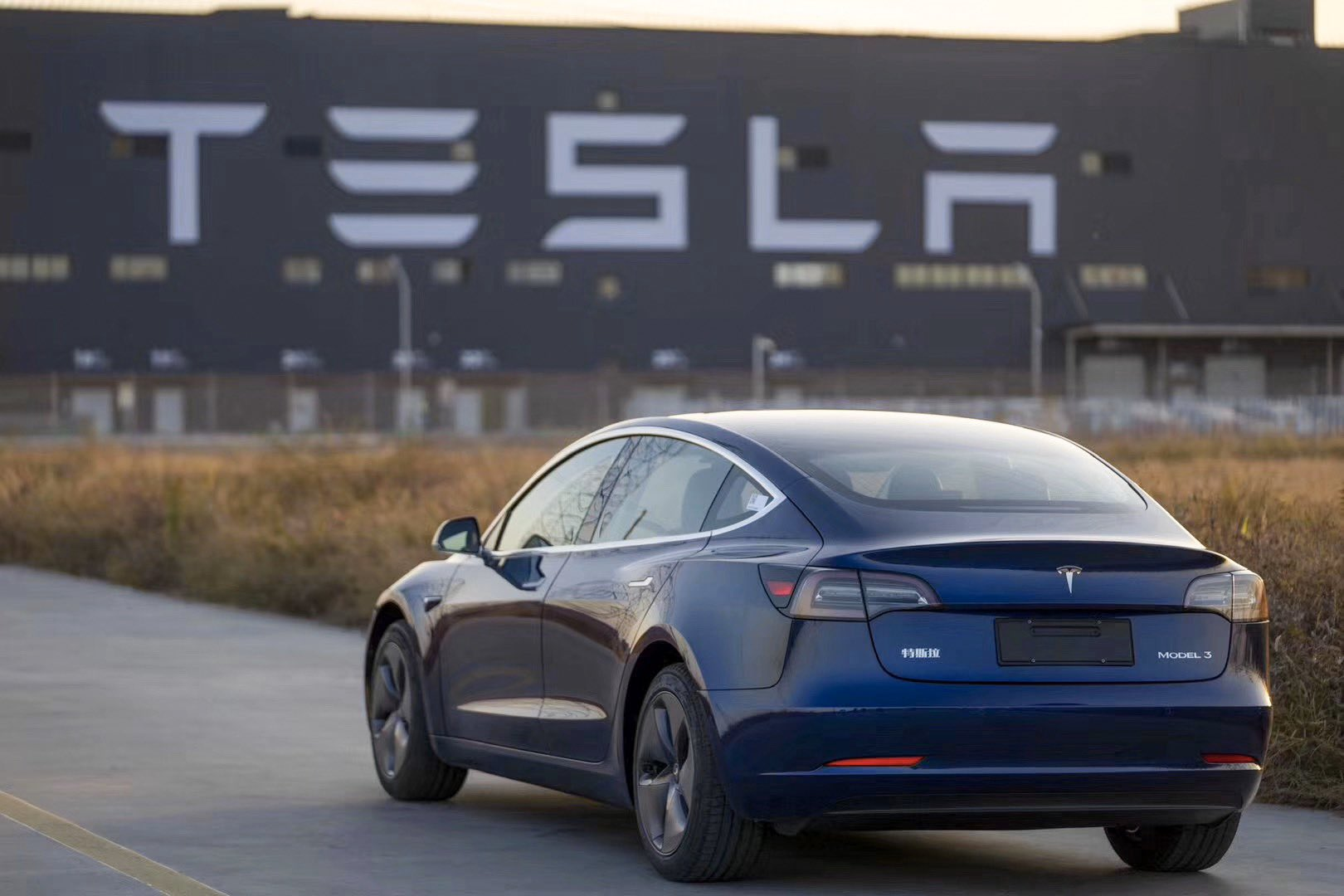
Tesla’s board has tied Elon Musk’s new trillion-dollar pay package to an extraordinary target: growing the company’s market value to $8.5 trillion over the next decade — a figure that would eclipse today’s giants Microsoft and Nvidia combined.

The Road to $8.5 Trillion

  • Robotaxis: Tesla aims to deploy 1 million autonomous taxis, building a network that could dwarf Uber’s business. ARK Invest forecasts up to $951 billion in annual revenue from ride-hailing by 2029, with Tesla taking a higher cut of fares than rivals.

  • Optimus humanoid robots: Musk says robots could represent 80% of Tesla’s value. To hit profit targets, Tesla might need to sell 100 million robots annually, priced around $25,000 each, generating hundreds of billions in EBITDA.

  • EVs & energy: Tesla’s auto and energy units would still contribute, but analysts agree the bulk of upside must come from next-gen products.

Investor Math

  • Tesla trades at about 75x EBITDA, far higher than most automakers.

  • At that multiple, Tesla would need $113 billion EBITDA for $8.5T valuation — below the $400 billion EBITDA goal in Musk’s package.

  • Current EBITDA: $13 billion (LSEG).

Risks & Reality Check

  • Operational hurdles: Vehicle sales have declined, raising near-term challenges.

  • Market skepticism: Morgan Stanley called Tesla’s $400B EBITDA target “materially more aggressive” than its forecasts, requiring massive contributions from robots and AI markets that barely exist today.

  • Regulatory & technical roadblocks: Scaling robotaxis and humanoid robots will demand breakthroughs in autonomy, safety, and manufacturing.

Why Investors Still Believe

  • Narrative power: Tesla is valued as a growth story, not an automaker.

  • Long-term optionality: Robotaxis and robots represent potential trillion-dollar markets.

  • Alignment: Tying Musk’s pay to performance reassures some investors that bold bets are necessary to reverse slowing growth.

As Will Rhind of GraniteShares put it: “There are big operational hurdles Tesla does need to accomplish… so why not tie the CEO’s compensation to reversing some of those trends?”

Uber and Momenta to Launch Level 4 Self-Driving Tests in Munich in 2026

Uber and Chinese autonomous driving firm Momenta announced Monday that they will begin testing Level 4 self-driving vehicles in Munich, Germany, starting next year. The move marks Uber’s latest push to expand its robotaxi business beyond the U.S. and China.

Level 4 autonomy refers to vehicles capable of fully automated driving within defined conditions, though regulators still require safety oversight. Germany has emerged as a key testbed for autonomous mobility, with favorable legal frameworks and major automakers advancing the technology.

Uber has sought to secure its place in the robotaxi race through partnerships with Waymo (Alphabet), Lucid, and WeRide, while rivals like Tesla are also scaling their autonomous taxi services.

For its part, Momenta brings significant real-world experience. Its driver-assistance technology is already deployed in 400,000 vehicles globally through automaker partnerships. The collaboration with Uber, first announced in May, aims to accelerate deployment in international markets outside the U.S. and China.

The launch in Munich underscores the intensifying global competition in autonomous mobility, even as regulators maintain tight scrutiny following high-profile accidents in the sector.