Yazılar

Autopilot Verdict Hits Tesla’s Robotaxi Ambitions, Raises Safety Concerns

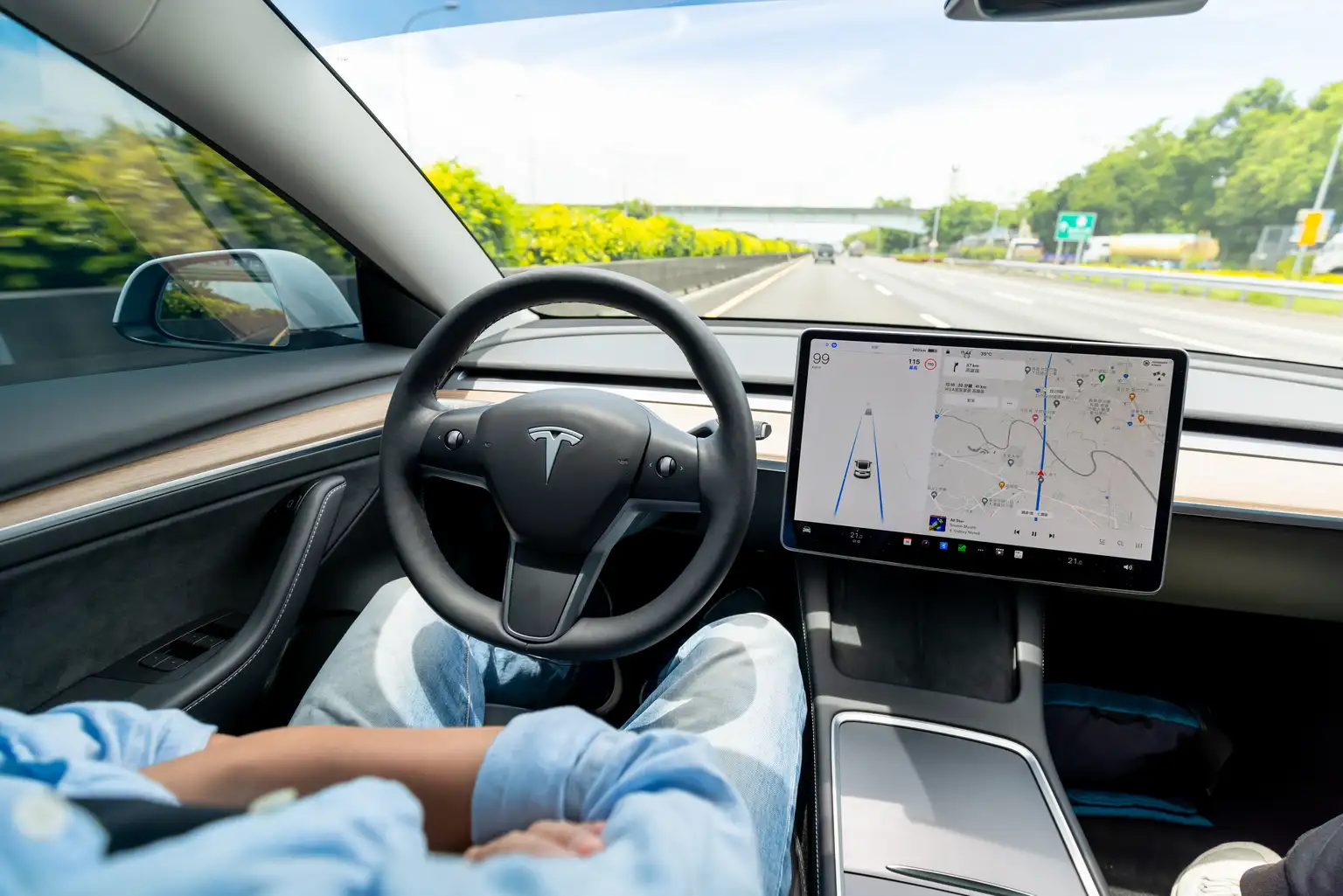
A Florida jury has ordered Tesla (TSLA.O) to pay approximately $243 million in damages following a fatal 2019 crash involving a Model S equipped with Autopilot driver-assistance software. The verdict, which found Tesla’s Autopilot system defective, poses a significant setback to CEO Elon Musk’s plans to rapidly expand the company’s robotaxi network across the U.S.

Tesla maintains that the driver was solely at fault and plans to appeal the decision. This ruling comes amid ongoing federal investigations and recalls linked to Tesla’s autonomous driving technology. It could intensify regulatory scrutiny, making it harder for Tesla to convince state authorities that its self-driving tech is safe and ready for broad deployment.

Experts say the verdict may increase pressure on regulators to impose stricter safety checks before approving autonomous vehicle services. Legal and industry analysts warn the ruling threatens Musk’s goal of offering robotaxi service to half of the U.S. population by year-end, a critical component as Tesla faces slowing demand for its older electric vehicle models and backlash over Musk’s political views.

Palantir’s software underpins Tesla’s robotaxi plans. Success will depend on earning regulators’ and consumers’ trust in the Full Self-Driving (FSD) software, an advanced system capable of city street navigation and autonomous maneuvers, building on the original Autopilot system used primarily on highways.

Tesla’s FSD updates have continued since 2019. Analysts at Piper Sandler noted that the verdict does not directly affect the latest versions of Tesla’s FSD software.

Regulatory and Industry Context:
Developing safe, fully autonomous vehicles has proven more challenging and costly than anticipated. Many companies, such as General Motors’ Cruise unit, have faced setbacks or changed strategy. Musk’s approach relies mainly on cameras and AI rather than expensive sensors like lidar and radar used by rivals such as Waymo and Zoox.

Tesla launched a limited robotaxi trial in June in Austin, Texas, deploying about a dozen Model Y SUVs monitored by safety drivers. Musk aims to rapidly scale this service nationwide, targeting coverage of half the U.S. population within months, contrasting with Waymo’s cautious multi-year rollout.

Tesla is currently seeking regulatory approval in multiple states, including California, Nevada, Arizona, and Florida. Officials have not commented on the verdict’s impact.

Case Details:
The lawsuit concerned a crash where a Tesla Model S, with Autopilot engaged, ran a stop sign and collided with a parked Chevrolet Tahoe. The driver admitted distraction but no alerts were received before the incident. The jury found Autopilot had a defect and held Tesla partly liable.

Tesla has historically won or settled most Autopilot-related lawsuits out of court. This verdict stands out and may influence several pending cases.

Investors and legal experts warn the ruling could delay regulatory progress and damage Tesla’s image at a critical time for its autonomous vehicle ambitions.
Trump-Musk Clash Triggers Scrutiny Fears Across Tesla, SpaceX, and Other Ventures

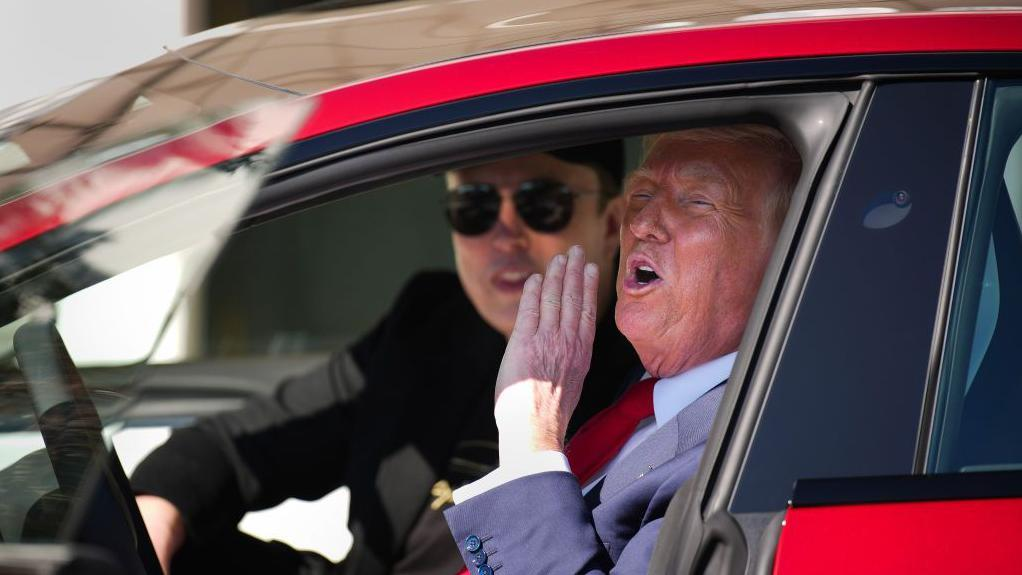
Former U.S. President Donald Trump’s call to review subsidies awarded to Elon Musk’s companies has sparked concerns of heightened regulatory scrutiny across the billionaire’s business empire, which spans automotive, space, energy, brain tech, and social media. The threat of government intervention may disrupt operations or stall innovation in several of Musk’s ventures. Here’s a breakdown of the U.S. agencies involved:

National Highway Traffic Safety Administration (NHTSA)
Tesla is under continued investigation by the NHTSA, especially concerning its advanced driver assistance systems. The agency is reviewing incidents involving Tesla’s robotaxi service in Austin, including videos showing vehicles misbehaving in traffic and in adverse weather. These inquiries extend broader probes into Tesla’s Full Self-Driving (FSD) technology, particularly related to safety during poor visibility.

Federal Communications Commission (FCC)
The FCC has begun reviewing its spectrum sharing policies, which could affect SpaceX’s Starlink satellite internet service. SpaceX is seeking new spectrum access to expand satellite coverage, but decades-old limits on signal power remain a barrier. The review could influence future Starlink deployments and broadband expansion goals.

Food and Drug Administration (FDA)
Neuralink, Musk’s brain implant startup, falls under the FDA’s oversight. After an initial rejection due to safety concerns, the FDA granted clearance for clinical trials, which are currently underway in the U.S. Neuralink is also exploring trials in Canada. The FDA will decide if Neuralink’s implants can eventually be marketed.

Environmental Protection Agency (EPA)
The EPA monitors SpaceX’s wastewater output at its Texas launch site and coordinates with other federal agencies under the National Environmental Policy Act. SpaceX’s rocket activities must pass environmental impact assessments to ensure compliance with land, water, and wildlife protection standards.

Federal Aviation Administration (FAA)
In September, the FAA proposed a $633,000 fine against SpaceX for violating licensing requirements before two 2023 launches. The FAA continues to investigate the company’s safety compliance, especially after repeated rocket explosions. Additional restrictions may follow.

Securities and Exchange Commission (SEC)
Musk is facing litigation from the SEC related to his 2022 acquisition of Twitter (now X). The agency has also probed Neuralink’s compliance and transparency, according to a December 2023 letter from Musk’s attorney, posted on X.

Federal Trade Commission (FTC)
The FTC oversees data and privacy protections at Musk’s social media platform, X. The agency is also investigating antitrust allegations, reviewing whether media watchdog groups coordinated an advertiser boycott that Musk claims is illegal.

Regulatory Risk Outlook
Trump’s renewed focus on Musk’s government support could pave the way for increased enforcement or changes to existing subsidies, affecting growth trajectories across his enterprises. With Musk already under the microscope at multiple agencies, the political escalation adds another layer of complexity.

Tesla Invites Select Users to Texas Robotaxi Trial with Front Seat Safety Monitors

Tesla (TSLA.O) has invited a small group of users to participate in a limited test of its robotaxi service in Austin, Texas, tentatively scheduled to begin this Sunday, according to social media posts and email screenshots. The invitations indicate that a Tesla employee will accompany riders in the front passenger seat during the trial.

This trial in Austin is a critical step for Tesla as the company faces challenges including declining car sales linked to CEO Elon Musk’s political stances. Tesla has increasingly shifted focus from producing affordable electric vehicles to advancing robotics and artificial intelligence, a strategy that underpins much of its market valuation.

Elon Musk has emphasized safety for the trial, stating that the vehicles will be monitored remotely by humans and expressing confidence in scaling the robotaxi service quickly. The initial deployment will involve about 10 Model Y SUVs equipped with Tesla’s full self-driving driver assistance software.

The rollout could be delayed, and operations may be limited or suspended in poor weather conditions. Riders must be at least 18 years old. Tesla’s cautious approach to the robotaxi launch drew approval from X.com user Omar Qazi (@WholeMarsBlog), who received an invitation and noted, “Tesla is rolling out the Robotaxi service extremely cautiously, which is good. Baby steps.” Musk responded, “Very much so.”

Despite the enthusiasm, commercializing autonomous vehicles remains costly and risky. Tesla, along with competitors like Alphabet’s Waymo (GOOGL.O) and Amazon’s Zoox (AMZN.O), has faced federal probes and recalls linked to crashes involving self-driving cars.

Experts have raised concerns about Tesla’s heavy reliance on cameras and AI, without backup sensors such as lidar or radar, warning that adverse weather like fog, heavy rain, or sun glare could compromise safety.

Recently, a group of Democratic lawmakers from Austin urged Tesla to postpone the rollout until September, when new state regulations on autonomous vehicles will come into effect.

Users in Austin who receive invitations can download Tesla’s Robotaxi app to summon a vehicle. One screenshot shared online stated, “Through this exclusive preview, you’ll have the opportunity to provide valuable feedback on our Robotaxi service.” Reuters was unable to immediately verify the screenshots’ authenticity.