Yazılar

Unexplained Electronic Components Found in Denmark’s Energy Equipment Imports, Investigation Underway

Unidentified electronic components have been discovered in imported energy infrastructure equipment in Denmark, raising concerns over potential security vulnerabilities in the country’s critical power systems, according to industry group Green Power Denmark.

The components were found during a routine inspection of printed circuit boards intended for use in Denmark’s energy supply network. The discovery has prompted an internal investigation to assess the nature and intent behind the components’ inclusion.

“We don’t know how critical it is or whether there are bad intentions behind it,” said Jorgen Christensen, technical director at Green Power Denmark, in a statement to Reuters. “But these components should not be present in infrastructure equipment.”

Christensen did not disclose the origin of the equipment, the specific technology it was intended for (such as solar power systems), or which parties are conducting the investigation.

The Danish Ministry for Preparedness and Resilience declined to comment on the situation, and no responses were received from the Justice Ministry, Energy Ministry, or national intelligence services regarding whether a formal government-led inquiry had been initiated.

The incident comes at a time of heightened international attention on supply chain risks and cybersecurity threats to critical infrastructure, including power grids and renewable energy assets.

“This is highly concerning. It is important that an investigation is underway,” said Walburga Hemetsberger, CEO of SolarPower Europe, who emphasized the broader implications for the continent’s energy security.

Christensen noted that while the components could have been included for benign reasons — such as being part of a multi-purpose circuit board design — their unexplained presence in systems designated for energy infrastructure is unacceptable.

“It’s possible the supplier had no malicious intent. We can’t say at this point, but that doesn’t change the fact that these components shouldn’t be there,” he said.

The development follows a separate report by Reuters last week, which revealed that U.S. energy officials had found unauthorized communication devices in Chinese-made solar inverters and batteries, capable of bypassing cybersecurity firewalls and threatening grid stability.

The Danish case, first reported by local media outlet Berlingske, adds to growing scrutiny of imported technologies used in national infrastructure projects, particularly from unknown or sensitive origin sources.
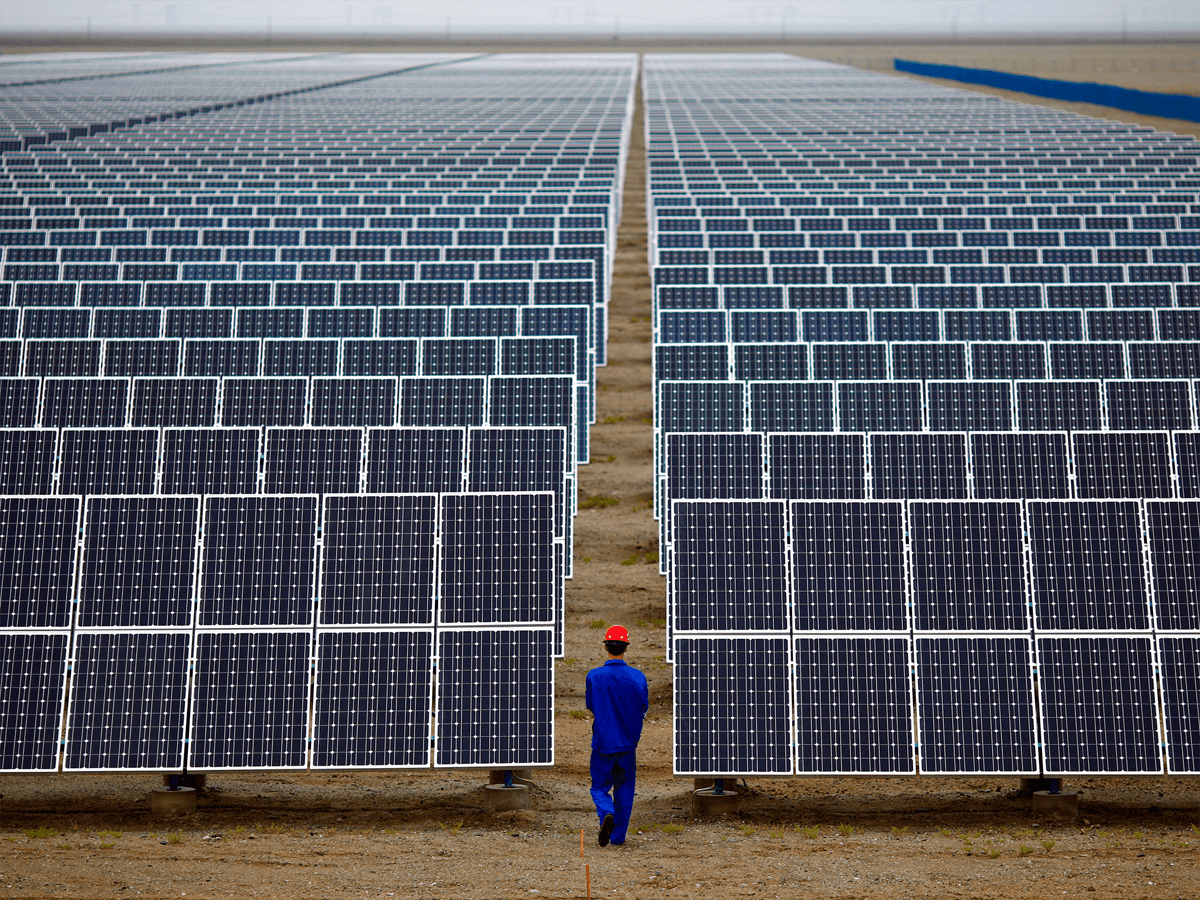
Rogue Communication Devices Found in Chinese Solar Inverters Spark Global Security Alarm

U.S. energy officials are reevaluating the national security risks posed by Chinese-made power inverters after uncovering unexplained communication components inside devices used in critical infrastructure across the U.S., according to multiple sources with knowledge of the matter.

These undocumented modules, such as cellular radios, were discovered in inverters and batteries produced by Chinese manufacturers, raising concerns that firewalls could be bypassed, allowing remote manipulation or shutdowns of energy systems — with potentially catastrophic consequences for power grids.

That effectively means there is a built-in way to physically destroy the grid,” one expert warned.

What Are Inverters and Why This Matters

Inverters are vital for connecting solar panels, batteries, heat pumps, and EV chargers to the power grid. Most are produced in China and designed to allow remote updates, but are expected to be firewalled from foreign access. The recent discovery, however, suggests that some Chinese models include hidden communications hardware, not disclosed in product documentation.

Implications for National Security and Grid Stability

  • Disruption risk: Experts warn that coordinated manipulation of these devices could trigger blackouts, grid damage, or widespread energy instability.

  • Huawei, the world’s leading inverter manufacturer, left the U.S. market in 2019 but dominates globally, especially in Europe.

  • Over 200 GW of European solar power is linked to Chinese inverters, equivalent to more than 200 nuclear plants.

If you remotely control a large enough number of home solar inverters… that could have catastrophic implications,” said Uri Sadot of SolarEdge.

Government and Industry Response

  • The U.S. Department of Energy (DOE) acknowledged the challenge of ensuring manufacturers disclose full functionality. It is working to enhance transparency via Software Bill of Materials (SBOM) policies and contractual safeguards.

  • The U.S. Senate is considering the Decoupling from Foreign Adversarial Battery Dependence Act, targeting Chinese firms like CATL, BYD, Envision Energy, and others from 2027 onward.

  • Utilities such as Florida Power & Light are already seeking to reduce their reliance on Chinese inverter components.

  • Lithuania, Estonia, and Britain have also begun reassessing or restricting the use of Chinese inverters, with NATO warning that China’s influence over infrastructure is a growing threat.

The CCP stops at nothing to target our sensitive infrastructure,” said U.S. Representative August Pfluger.

Recent Incidents and Commercial Fallout

  • In November 2024, some inverters were reportedly disabled remotely from China, triggering internal industry disputes and heightened U.S. government scrutiny.

  • A commercial conflict between Sol-Ark and Deye ensued, with Sol-Ark confirming it had no control over affected devices not bearing its brand.

  • Chinese firms Huawei, Deye, and others declined to comment.

As the solar and renewable energy sector expands, experts are calling for urgent reforms to ensure hardware used in critical infrastructure is trusted, secure, and transparentechoing the regulatory efforts already in place in sectors like telecom and semiconductors.