Yazılar

Kyiv Investigates Alleged Russian Execution of Ukrainian Soldier with Sword Inscribed ‘For Kursk’

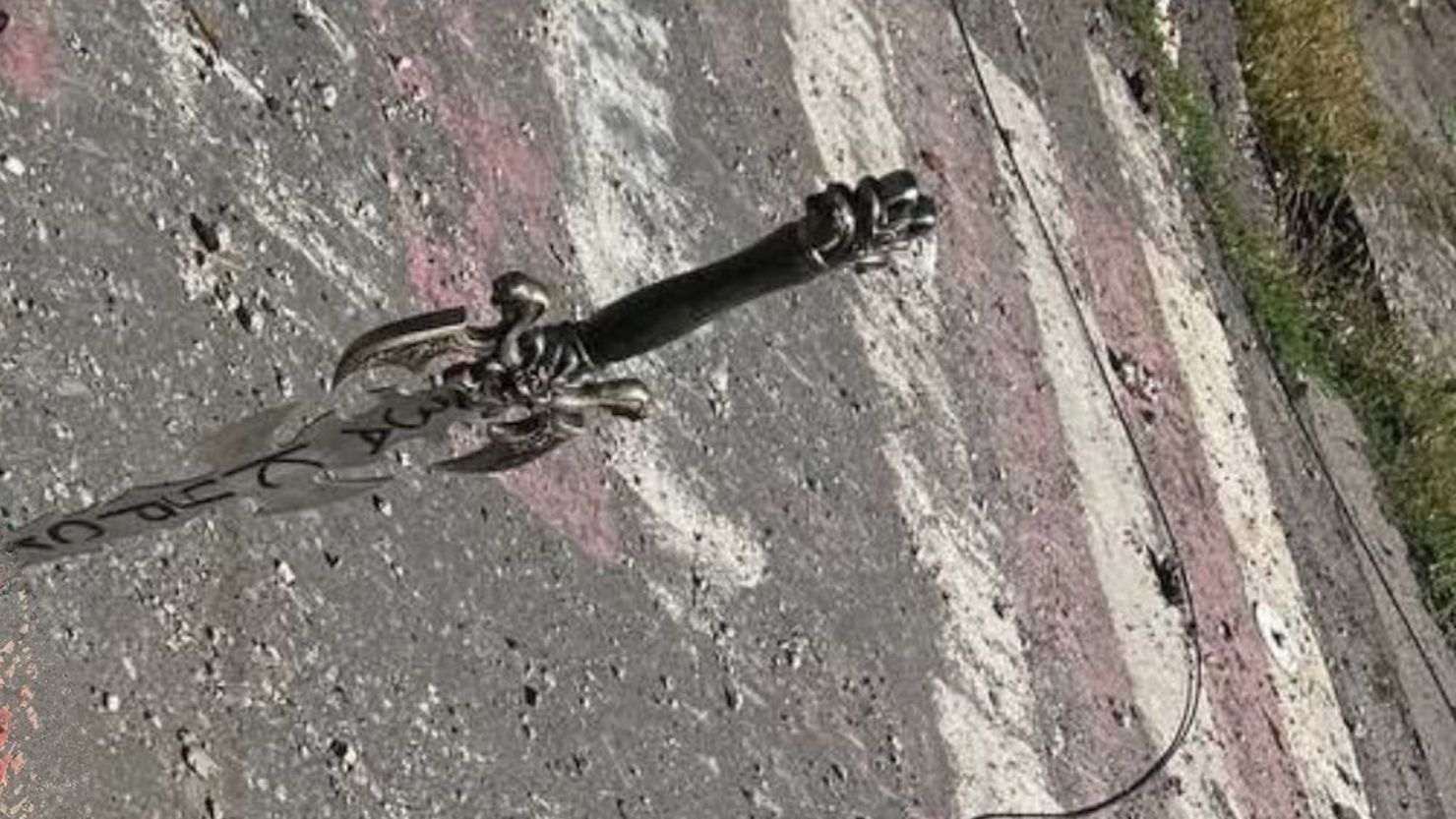
Ukrainian authorities have launched a formal investigation into the alleged execution of a Ukrainian soldier by Russian forces, involving a sword inscribed with the phrase “for Kursk.” The soldier’s body was found with the medieval-style sword impaled in his chest, and the scene was captured in a photo circulating online, which shows the man lying on a debris-strewn road, his wrists bound with duct tape.

The inscription on the sword appears to reference Ukraine’s recent incursion into Russia’s Kursk region, marking the first attack on Russian soil since World War II. Ukrainian Prosecutor General Andriy Kostin condemned the act as another example of Russian “barbarism” and confirmed that an official criminal investigation is underway.

Kostin’s office suggested the execution took place in Novohrodivka, in Ukraine’s Donetsk region, based on initial assessments. Investigators geolocated the incident after the image surfaced online.

Ukraine’s human rights commissioner, Dmytro Lubinets, has labeled the execution a clear violation of the Geneva Convention, which mandates the humane treatment of prisoners of war. This incident is part of a larger pattern, as Ukraine has been investigating nearly 130,000 alleged war crimes committed by Russian forces since the full-scale invasion began in February 2022.

Reports of executions by Russian troops have grown more frequent, with recent footage showing apparent killings of surrendering Ukrainian soldiers near Pokrovsk. As fighting intensifies in the region, Russia has escalated efforts to repel Ukrainian forces from Kursk, deploying up to 70,000 troops.

Despite Russia’s counteroffensive, Ukraine’s military continues to hold its ground, thwarting numerous Russian attacks around Pokrovsk and Novohrodivka.
 

Putin Warns of Direct Conflict with the West if Kyiv Is Allowed to Use Long-Range Missiles

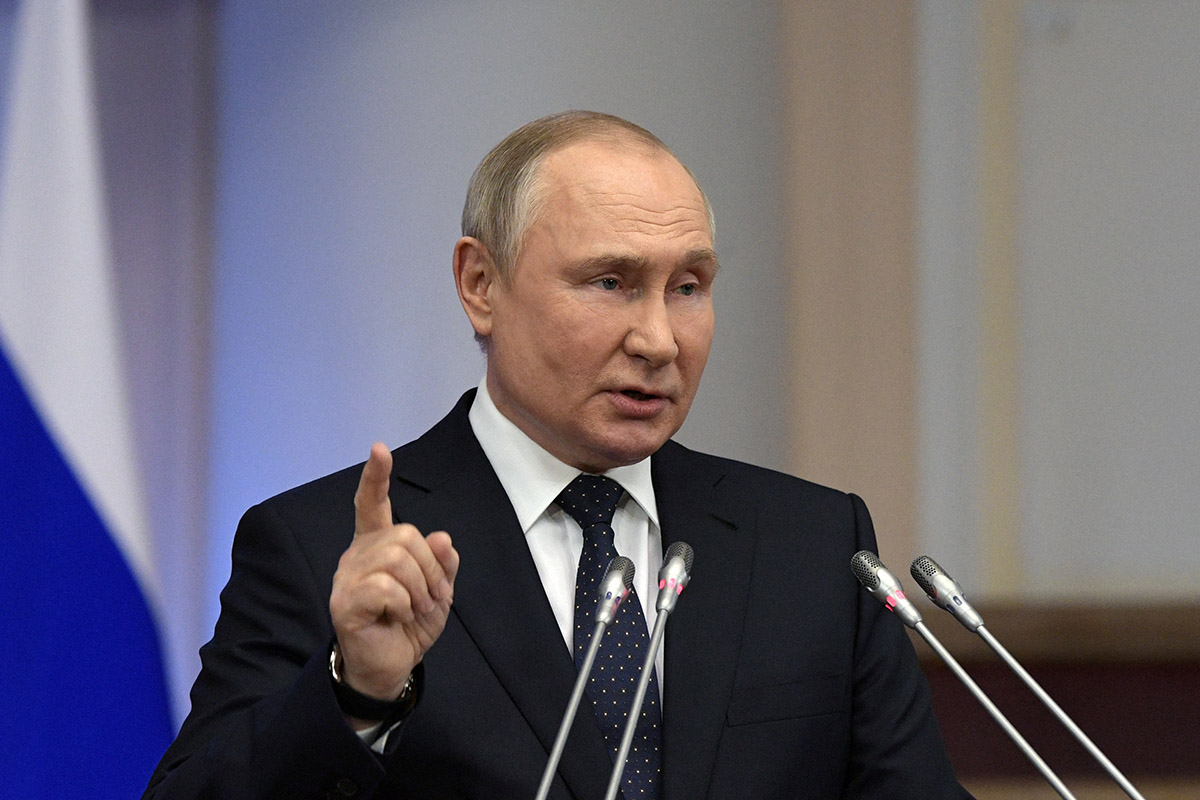
Russian President Vladimir Putin warned on Thursday that if the West permits Ukraine to use long-range Western-made missiles to strike Russian territory, it would amount to a direct military confrontation between NATO countries and Russia. Ukrainian President Volodymyr Zelensky has repeatedly requested long-range weapons, such as U.S. ATACMS and British Storm Shadows, to target deep within Russia and limit Moscow’s ability to launch further attacks.

In one of his most direct warnings yet, Putin emphasized that such a move would drag NATO directly into the conflict, as Kyiv lacks the technical expertise to program and target these missiles without Western military support. “This is not just about allowing the Ukrainian regime to strike Russia,” Putin told Russian state television, “but about NATO’s direct involvement in a military conflict.”

He also hinted that Russia would respond with “appropriate decisions” should NATO countries get involved, though he stopped short of specifying what those measures might be. Previously, Putin has suggested arming the West’s enemies with Russian weapons or deploying conventional missiles close to U.S. and European targets.

The warning comes as Russia continues to revise its nuclear doctrine, with calls from foreign policy hawks to expand the conditions under which Moscow might use nuclear weapons against nations supporting NATO’s involvement in Ukraine. Russia is also conducting naval exercises with China and considering limiting key exports.

The ongoing war, which Russia launched in 2022, is seen by Putin as part of a larger struggle against Western influence, which he claims has undermined Russian sovereignty since the fall of the Berlin Wall. Meanwhile, the West and Ukraine frame the invasion as a land grab, with Ukraine vowing to reclaim the 18% of its territory currently under Russian control.


EU Avoids ‘Terrible Prophecies’ but Faces Trade Challenges with China, Says Gentiloni

The European Union has successfully avoided the dire economic predictions that loomed in recent years but must now navigate challenges such as Russia’s war in Ukraine and a complicated trade relationship with China, said Paolo Gentiloni, the outgoing European Commissioner for Economy, on Saturday.

Gentiloni pointed out that while the EU’s economy has seen slow growth, it has not experienced the deep recessions, blackouts, or divisions that many had feared in the last few years, especially in the face of Russia’s invasion of Ukraine. “The economy is growing, slowly, but growing,” he said during an interview at the Ambrosetti Forum in Cernobbio, Italy. However, he acknowledged that Europe needs to enhance its competitiveness and make significant strides in areas such as defense and the Capital Markets Union if it is to thrive in the changing global landscape.

The European economy, still recovering from the COVID-19 pandemic, has grappled with a cost-of-living crisis and persistent inflation, exacerbated by Russia’s February 2022 invasion of Ukraine. Despite these difficulties, the eurozone economy expanded in the first half of this year, with GDP growing by 0.3% in the second quarter compared to the first.

Looking ahead, Gentiloni highlighted two major issues the EU must tackle: its relationship with China and the ongoing war in Ukraine. The EU’s decision in June to impose higher tariffs on Chinese electric vehicles—due to the bloc’s belief that they benefit from unfair subsidies—has led to heightened tensions with Beijing. He emphasized that while the EU must remain vigilant in trade relations with China, it is crucial not to abandon international trade entirely.

Gentiloni also downplayed concerns about the potential economic impact of Donald Trump’s possible return to the White House in 2024, noting that while such an outcome would not be welcomed in Brussels, it would not drastically alter U.S.-EU economic relations.

As Gentiloni prepares to step down from his role, Europe faces rising political challenges. The European Commission, led by Ursula von der Leyen, is contending with increasing support for far-right factions, especially as politicians like Hungary’s Prime Minister Viktor Orbán question whether the current Commission is equipped to address Europe’s future challenges.