Yazılar

Safety at Zaporizhzhia Nuclear Plant Deteriorates Following Drone Strike, IAEA Warns

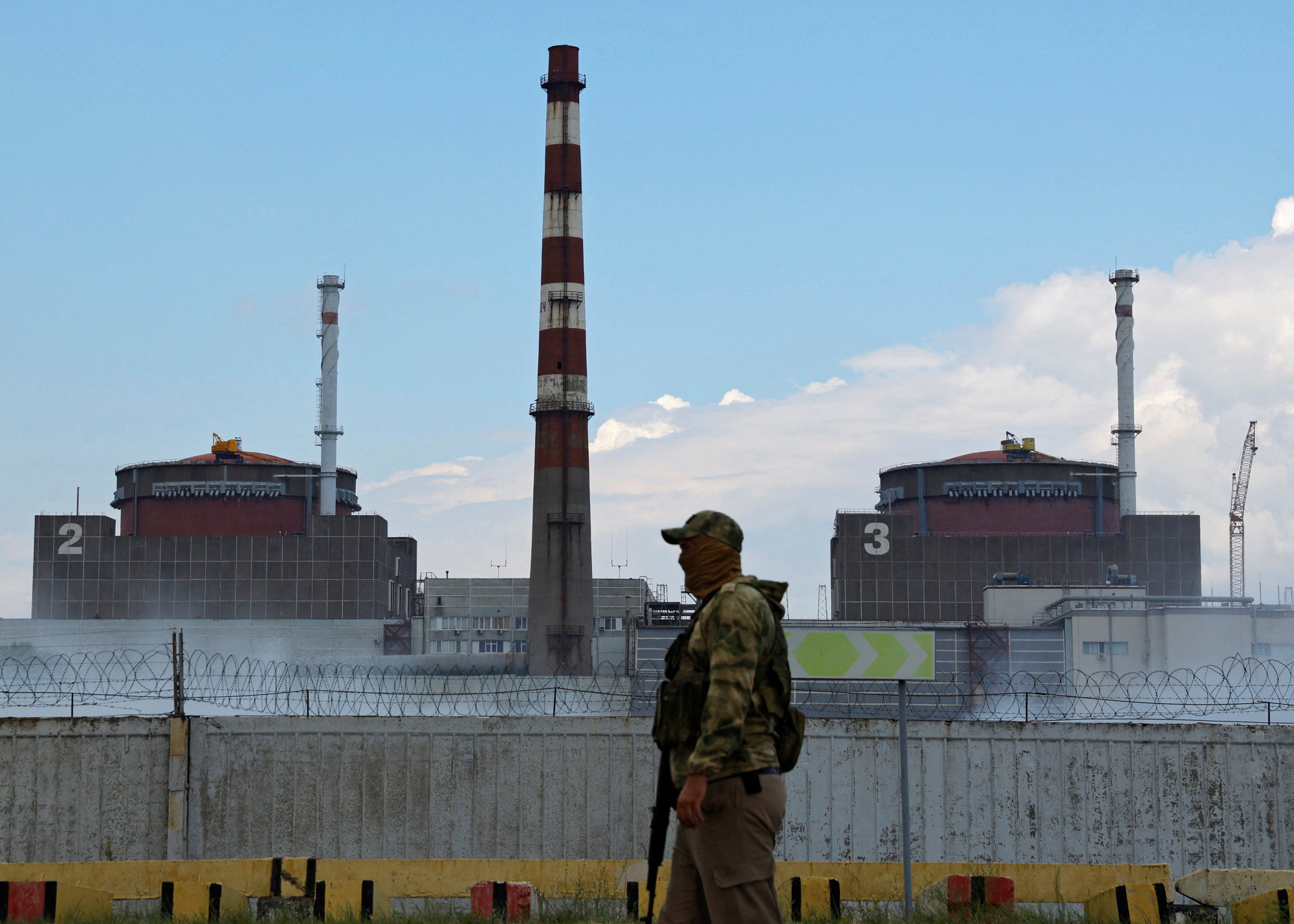
The safety situation at the Zaporizhzhia Nuclear Power Plant in southern Ukraine is worsening, following a drone strike on a nearby road, according to the International Atomic Energy Agency (IAEA). The plant, under Russian control since March 2022, faces increasing threats, with IAEA Director General Rafael Mariano Grossi expressing grave concern over the escalating nuclear safety and security risks. The drone strike, which occurred near essential cooling water sprinkler ponds and a crucial power line, did not result in casualties or equipment damage, but the road between the plant’s main gates was affected.

Russian media outlet TASS blamed Ukraine for the attack, claiming the strike posed a direct threat to the plant’s personnel and safety. Ukraine has not commented on the incident, though both nations have previously accused each other of endangering the plant. The IAEA reported intensified military activity in the area, including a significant fire at one of the plant’s cooling towers earlier in the week, which, although it did not pose an immediate nuclear threat, caused considerable damage.

This latest incident underscores the vulnerability of nuclear facilities in conflict zones, with Grossi reiterating the need for strict adherence to safety principles. The IAEA team also noted air raid alarms and drone attacks at other nuclear sites across Ukraine, including Khmelnytskyy, Rivne, and South Ukraine, as well as at Chernobyl. Grossi emphasized that nuclear plants are not designed to withstand direct military attacks, highlighting the critical need for continued monitoring of these fragile situations.

Grossi has expressed willingness to visit the Zaporizhzhia plant, while Russian officials have also extended an invitation for him to visit the Kursk Nuclear Power Plant in southern Russia, amid ongoing conflict in the region. Ukrainian authorities have warned of potential Russian provocations, accusing Moscow of attempting to frame Ukraine for a “dirty bomb” attack or other nuclear threats. The deteriorating situation at Zaporizhzhia and the surrounding conflict zones continues to raise alarms about the safety and security of nuclear facilities in the region.
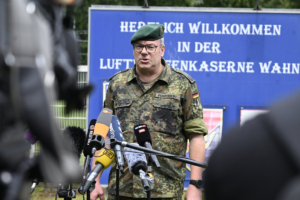
Germany Closes Military Base Amid Suspected Sabotage of Water Supply

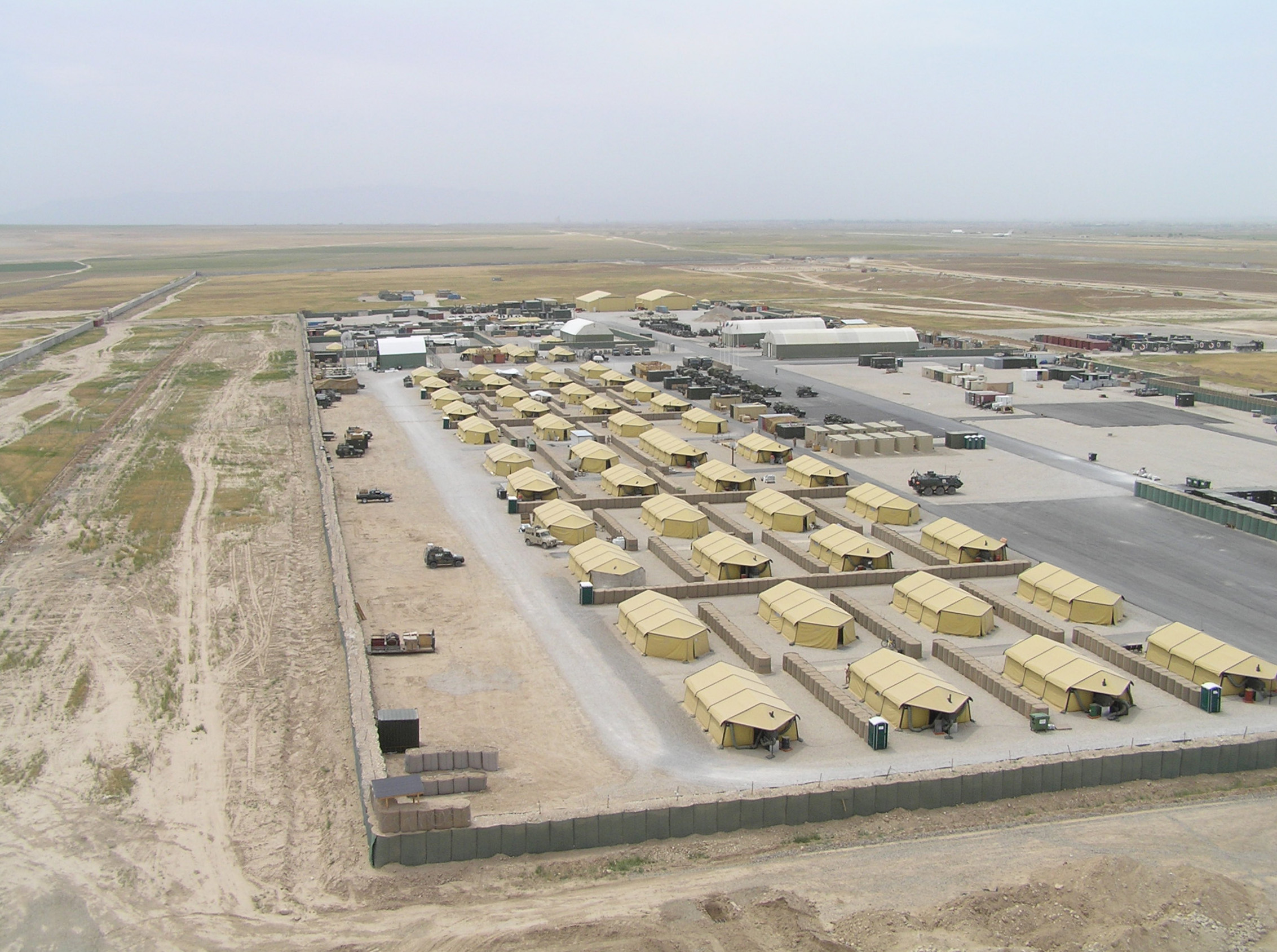
A German military base near Cologne, known as the Cologne-Wahn barracks, was temporarily closed on Wednesday due to suspicions of water supply sabotage. The closure was prompted by the discovery of a hole in a fence leading to the base’s waterworks. The base employs approximately 5,500 personnel, including 4,300 soldiers and 1,200 civilians.

Military spokesman Ulrich Fonrobert stated that the barracks were shut down as a precautionary measure to ensure that no intruders remained on the premises. Despite extensive searches, no perpetrators were found. While the base has since reopened, the drinking water system remains shut down for safety reasons.

The incident is being taken seriously, with investigations led by police, military police, and military counterintelligence services (MAD).

In a related incident, the security level at a NATO air base in Geilenkirchen, also in western Germany, was heightened due to similar concerns about potential sabotage. However, after checking the water condition, the air base was not sealed off.

These incidents have heightened concerns about possible sabotage activities in Europe, particularly in light of recent warnings from NATO regarding potential malign activities by Russia. NATO has previously expressed concern over possible sabotage, acts of violence, and other hybrid operations carried out by Moscow.


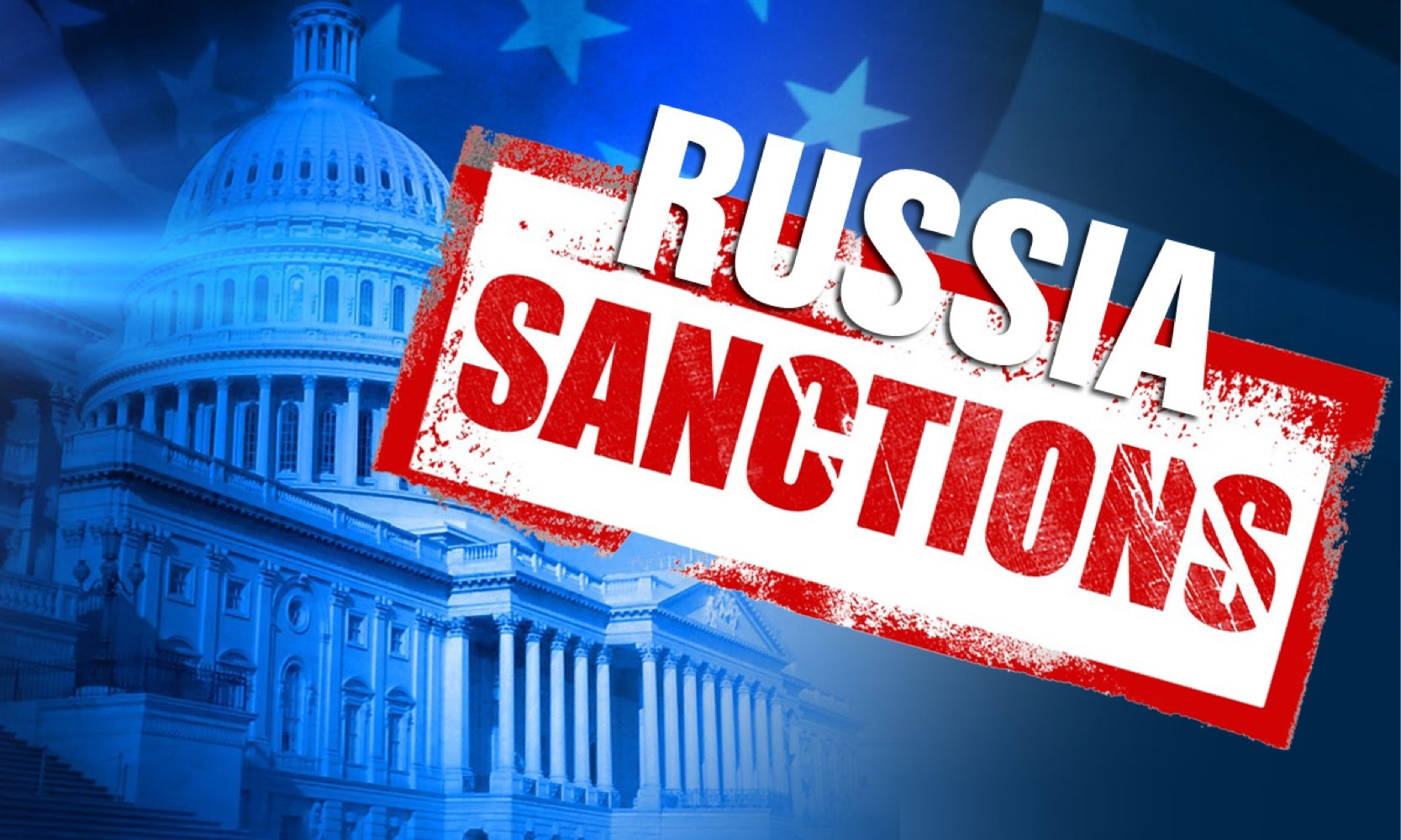
Russia’s Circumvention of Sanctions: Billions in Dollar and Euro Banknotes Flow Despite Western Restrictions

Despite the extensive sanctions imposed by the United States and the European Union following Russia’s invasion of Ukraine in 2022, approximately $2.3 billion in U.S. dollar and euro banknotes have been shipped to Russia, according to customs data. This substantial inflow of foreign currency, largely facilitated by countries such as the UAE and Turkey that have not restricted trade with Russia, underscores how Moscow has managed to navigate around the Western financial restrictions.

The data reveals that Russia, while publicly condemning the U.S. dollar and the euro as “toxic” due to sanctions, continues to rely heavily on these currencies for various transactions, including trade and travel. This dependence on foreign currency is evidenced by the significant demand among Russians for dollar and euro banknotes, especially for international trips and small imports. Despite the sanctions, Russia’s central bank has maintained tight controls on foreign currency outflows to support the weakening ruble, with only $98 million leaving the country between February 2022 and December 2023, compared to the billions flowing in.

Among the largest importers of this foreign cash is Aero-Trade, a company specializing in duty-free shopping services. The company declared around $1.5 billion in foreign currency imports during the sanctions period, with shipments processed through Moscow’s Domodedovo airport. However, the specific sources and recipients of this cash remain unclear, raising questions about the nature of these transactions.

Moreover, Russian banks have played a significant role in these cash imports, often using precious metals like gold and silver to facilitate these transactions. For instance, Vitabank, a Russian lender, imported $64.8 million in banknotes from Turkish gold trading firm Demas Kuyumculuk and exported almost equivalent amounts of gold and silver to the same company. These transactions highlight how Russia and its trading partners have adapted to the sanctions by relying on tangible assets such as precious metals to settle debts, circumventing traditional financial channels.

The data also indicates that entities connected to Rostec, a state-owned military-industrial conglomerate under U.S. sanctions, have been involved in importing significant amounts of foreign currency. However, the exact nature of these transactions remains opaque.

In summary, despite facing stringent financial sanctions, Russia has successfully continued to import billions in dollar and euro banknotes, with the help of international partners and by leveraging alternative assets like gold. This ongoing flow of foreign currency suggests that, while sanctions have disrupted Russia’s access to the global financial system, they have not entirely severed its ties to the international currency market.