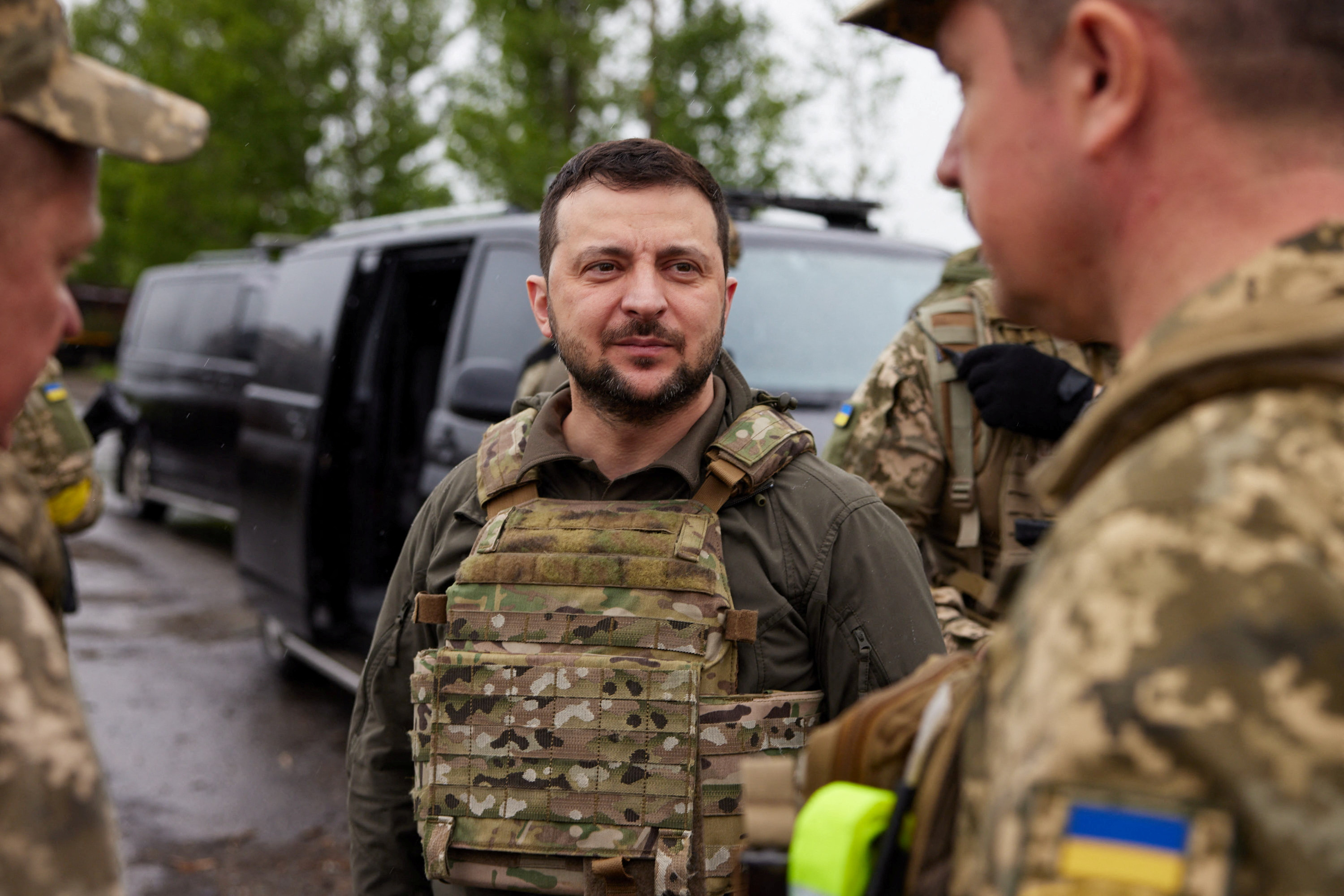

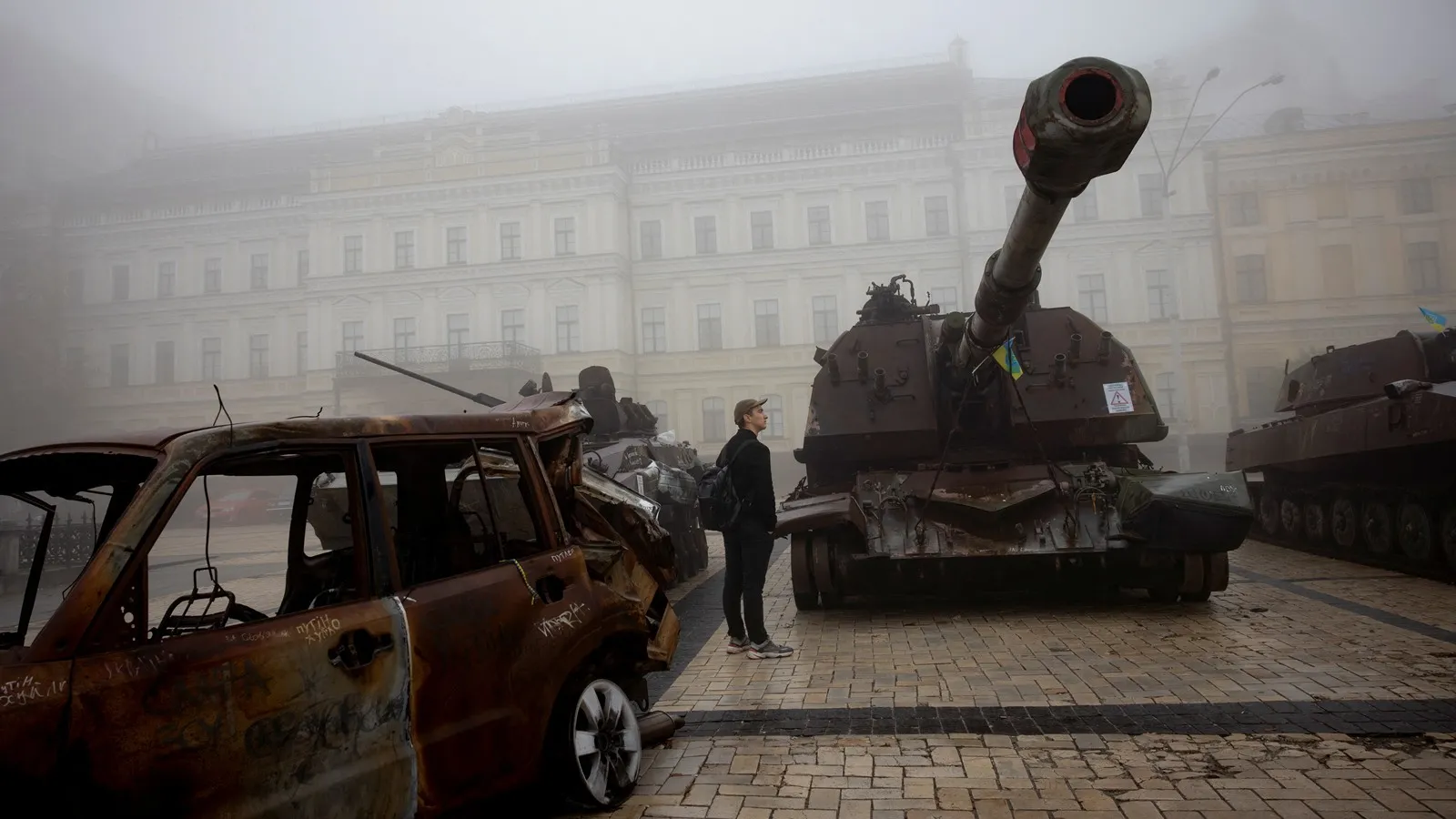
The ongoing military incursion by Ukraine into Russian territory in the Kursk region is occurring on land that witnessed one of the most significant Soviet victories against the German invaders during World War II. Historians argue that this victory, known as the Battle of Kursk, marked a turning point in the war in Europe, nearly a year before the D-Day invasion of Normandy.
While the June 6, 1944, landings in Normandy are often perceived as the decisive moment in the defeat of Nazi Germany, the Battle of Kursk, fought from July 5 to August 23, 1943, played a crucial role in shifting the tide of war. This battle involved millions of troops and thousands of tanks and armored vehicles.
The victory at Kursk allowed the Soviets to seize the initiative in the eastern front and maintain it until the end of the war.
The Battle of Kursk:
In the spring of 1943, Hitler‘s army in the east suffered heavy losses in the Battle of Stalingrad. The Germans lost almost a million men in their attempt to capture the city on the Volga River, defeat the Soviet army, and seize oil fields in the Caucasus.
Following the German retreat from Stalingrad, Hitler‘s generals sought to regain the initiative in the east. They targeted a 150-mile bulge in the German lines, defended by over a million Soviet troops, centered on Kursk.
The Germans planned to attack in the spring, but Hitler delayed the operation, known as Operation Citadel, to allow for the deployment of new tanks. This delay gave the Soviets ample time to prepare their defenses.
A Formidable Defense:
The Germans committed around 800,000 troops and 3,000 tanks to the attack. However, they faced a formidable defense. The Soviets had prepared a series of defensive lines, dug over 3,000 miles of trenches, and deployed anti-tank guns and artillery in depth. The Soviets also used their superior air power to disrupt German supply lines and support their ground troops.
The Battle of Kursk was a brutal and bloody affair. Both sides suffered heavy casualties, but the Soviets ultimately prevailed. The German defeat at Kursk marked a turning point in the war on the Eastern Front. It weakened the German army, allowed the Soviets to launch a series of offensives, and ultimately contributed to the eventual defeat of Nazi Germany.
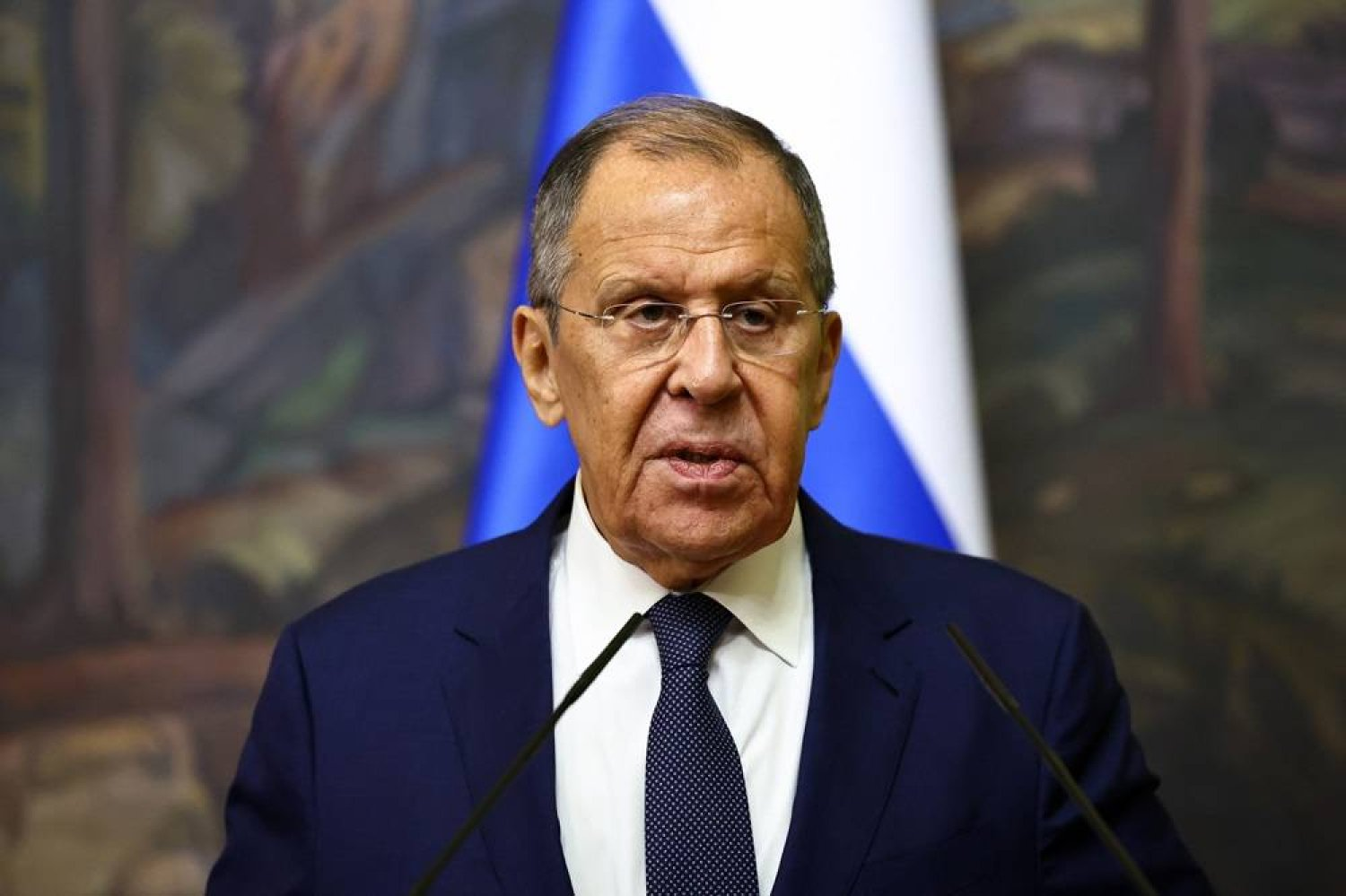
Russia has issued a stark warning to the United States and Western allies, cautioning that the potential escalation of the Ukraine conflict could lead to a broader, global confrontation. On Tuesday, Russian Foreign Minister Sergei Lavrov criticized Western considerations of permitting Ukraine to use Western-supplied missiles for deep strikes into Russian territory, arguing that such actions could trigger a dangerous international conflict.
The warning follows a significant attack by Ukraine on Russia’s Kursk region on August 6, marking one of the largest foreign assaults on Russian soil since World War II. Russian President Vladimir Putin has promised a “worthy response” to the attack, and Lavrov has accused the West of seeking to escalate the war and “asking for trouble” by relaxing restrictions on Ukrainian military operations.
Lavrov emphasized that Western nations, particularly the United States, are underestimating the risks of a wider conflict. He warned that the consequences of a global war would not be confined to Europe, despite what some in the U.S. might believe. “Playing with fire—like small children with matches—is very dangerous for those entrusted with nuclear weapons,” Lavrov stated.
In response to the ongoing conflict, Russia is reportedly reassessing its nuclear doctrine, which allows for nuclear weapon use in response to attacks that threaten the existence of the state. Lavrov’s comments reflect heightened concerns about the potential for nuclear escalation.
Ukrainian President Volodymyr Zelenskiy has downplayed Russian threats, arguing that Moscow’s retaliation promises are bluffs. Zelenskiy has called on Western allies to be more decisive in their support for Ukraine, pointing out that current restrictions on weapon usage limit Ukraine’s ability to strike critical Russian military targets.
Russia has accused Ukraine of employing Western weaponry, including British tanks and U.S. HIMARS rocket systems, in its assault on Kursk. Kyiv has confirmed the use of U.S. missiles to target bridges in the region. Despite Washington’s assertions that it was unaware of the Ukrainian plans prior to the attack, Russia’s intelligence chief Sergei Naryshkin and Deputy Foreign Minister Sergei Ryabkov have claimed that U.S. involvement in the operation is evident. The New York Times reported that the U.S. and Britain provided Ukraine with satellite imagery and other intelligence to aid in tracking Russian reinforcements following the attack.