Yazılar

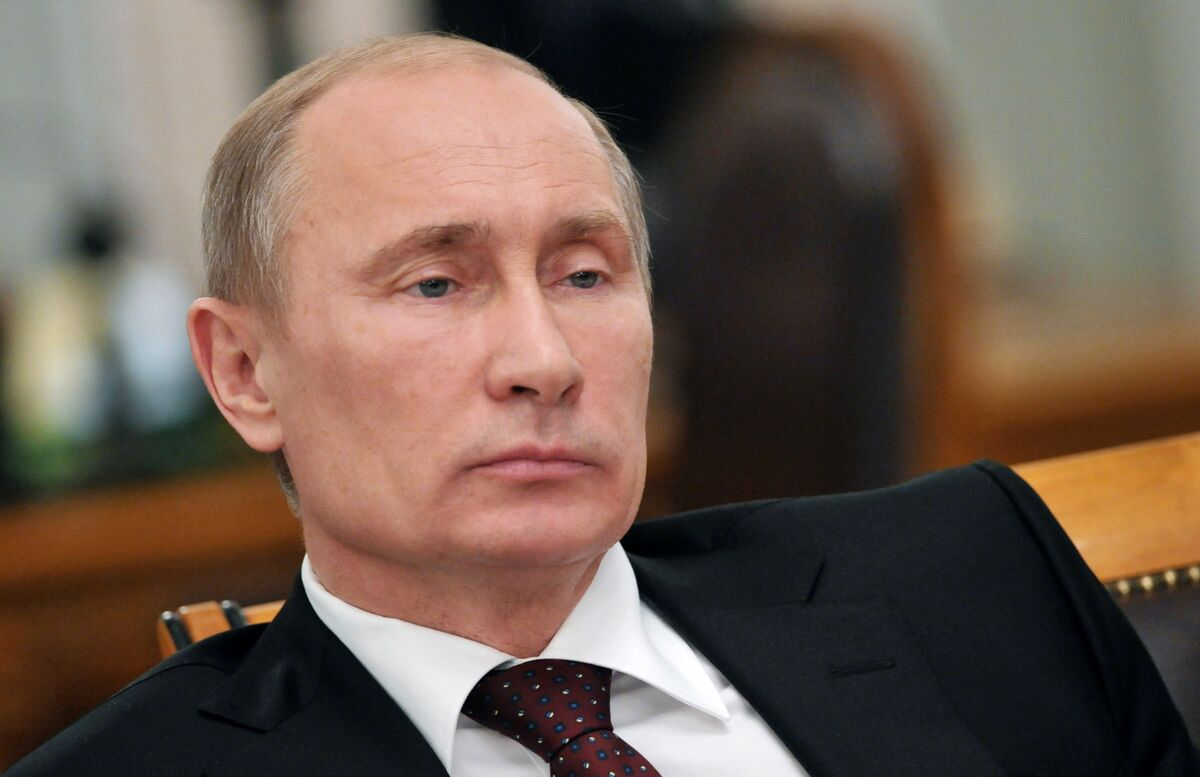
Putin’s Response to Ukraine Missiles Could Include Nuclear Test, Experts Say

As tensions between Russia and the West escalate over Ukraine, experts warn that Russian President Vladimir Putin may consider a nuclear test to demonstrate his seriousness if Western nations permit Ukraine to use long-range missiles against Russian targets. British Prime Minister Keir Starmer and U.S. President Joe Biden are currently discussing the possibility of supplying Kyiv with U.S. ATACMS and British Storm Shadow missiles, which could change the course of the conflict.

Putin issued a clear warning on Thursday, stating that the West would be directly involved in fighting Russia if such missiles were deployed. While he has promised an “appropriate” response, the specifics remain unclear. Ulrich Kuehn, an arms expert, suggested that Putin might consider testing a nuclear weapon as a dramatic escalation to convey intent and intimidate Western powers. Russia has not conducted a nuclear test since 1990, and a test now could signal a dangerous shift in the conflict’s trajectory.

Other experts, such as Gerhard Mangott from the University of Innsbruck, agree that a nuclear test, though unlikely, remains within the realm of possibility. They also highlight the risks of Russia escalating “hybrid” actions like sabotage in Europe or interference in Western elections. Russia’s UN ambassador, Vassily Nebenzia, warned that if NATO allowed Ukraine to use long-range weapons, it would be considered a direct conflict with a nuclear power.

Former Kremlin adviser Sergei Markov predicted that Moscow could also respond by targeting British military assets or engaging in hybrid warfare, such as striking British drones and warplanes near Russia. The potential for significant escalation, including attacks on Ukrainian infrastructure or further hybrid actions, remains a key concern, as analysts debate where Putin’s red lines truly lie.
 

Russia Develops Kamikaze Drone Using Chinese Engine for Ukraine War

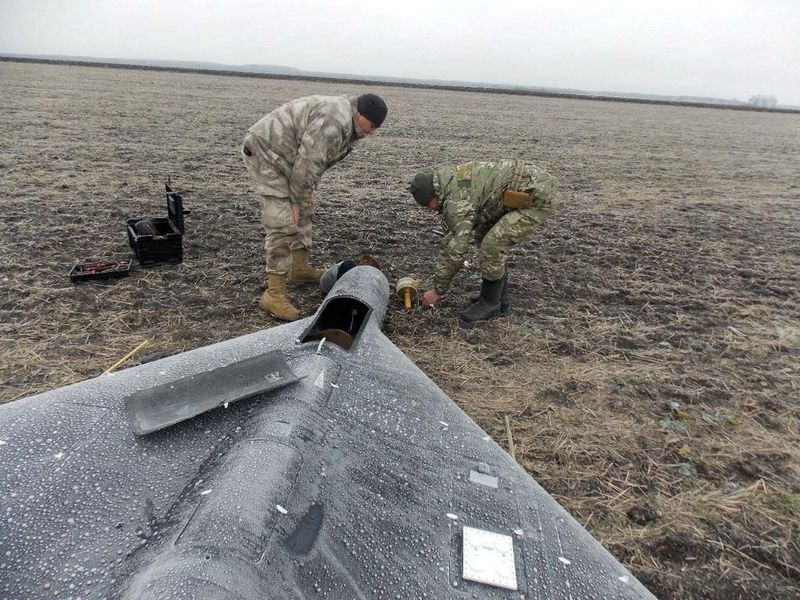
Russia has developed a new long-range kamikaze drone named Garpiya-A1, utilizing Chinese-made engines and components. According to European intelligence sources and documents reviewed by Reuters, the drone has been deployed in the ongoing conflict in Ukraine. The production of over 2,500 Garpiyas from July 2023 to July 2024 marks a shift away from Russia’s previous reliance on Iranian drone designs. The drones have been used to target military and civilian infrastructure, causing significant damage and casualties.

The drone is produced by IEMZ Kupol, a subsidiary of Almaz-Antey, Russia’s state-owned weapons manufacturer, using Chinese engines supplied by Xiamen Limbach. The engine, originally of German design, is now manufactured in China. A former cement factory in Izhevsk, Russia, is being used as the primary production facility, with the plant reportedly churning out thousands of drones in recent months.

China’s Role and International Concerns

The Garpiya-A1 bears similarities to Iran’s Shahed-136 drone but features distinct design elements like bolt-on fins and Chinese-made Limbach L-550 E engines. Although China has officially denied involvement in supporting Russia’s military activities, the export of components with potential military applications, including drones, has drawn international scrutiny. U.S. and European authorities are particularly concerned about Chinese companies continuing to supply critical parts that enable Russia to manufacture these kamikaze drones.

In July 2023, Beijing announced stricter regulations on drone exports, effective from September, while maintaining that its trade with Russia is not restricted under international law. However, NATO Secretary General Jens Stoltenberg and Western officials have urged China to halt its indirect support of Russia’s military efforts, warning that Chinese technology has prolonged the conflict.

Production and Deployment

Production of the Garpiya-A1 began in early 2023, with Kupol securing a contract worth over 1 billion rubles (€10 million) to set up the factory. Initial prototypes were tested in early 2023, with output reaching 2,000 drones in the first half of 2024. Intelligence sources identified several Chinese suppliers, including Juhang Aviation Technology and Redlepus Vector Industries, both based in Shenzhen, for providing essential parts. Juhang has been under British and U.S. sanctions for supplying drone equipment to Russia.

Customs records show that Russia imported over $36 million worth of drone-related components from Chinese suppliers between April 2022 and December 2023, fueling concerns that these imports were marked for civilian use but repurposed for military applications.

Western Reactions and Sanctions

Washington has imposed several sanctions aimed at curbing Moscow’s access to technology for military use, warning Beijing of potential consequences for continuing to support Russia’s defense sector. Despite the sanctions, the Garpiya-A1 drone is the latest example of how Russia has managed to maintain drone production using external support, raising concerns over global arms control.

With a take-off weight under 300 kilos and a range of 1,500 kilometers, the Garpiya-A1 matches the capabilities of Iran’s Shahed-136, a drone that Russia has used extensively in Ukraine. The ability to produce such drones domestically marks a significant advancement in Russia’s drone capabilities, posing new challenges for Ukraine’s defense forces.


Iran Transfers Ballistic Missiles to Russia Amid Intensified Conflict

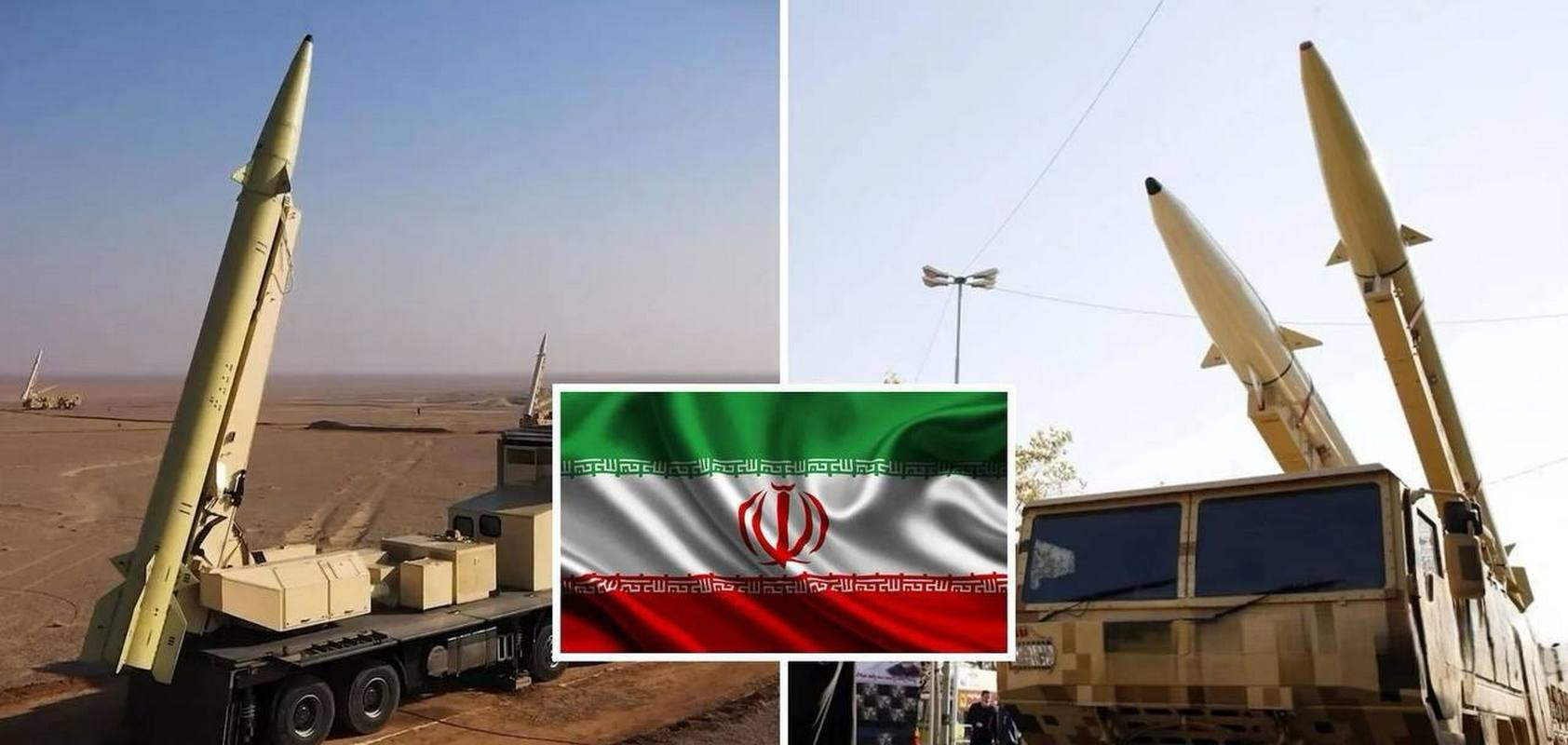
Recent reports indicate that Iran has transferred short-range ballistic missiles to Russia for use in the ongoing war against Ukraine, according to two sources familiar with the intelligence. This delivery, which was anticipated by US and Western officials for nearly a year, marks a significant escalation in Iran’s support for Russia’s military efforts.

The exact timing of the missile delivery remains unclear, but it coincides with a surge in Russia’s missile and drone attacks on Ukrainian cities. As Ukraine prepares for large-scale Russian assaults on its energy infrastructure this winter, Ukrainian President Volodymyr Zelensky has called for more air defense systems from allies.

National Security Council spokesperson Sean Savett condemned the transfer, stating that it represents a dramatic escalation in Iran’s support for Russia. Savett emphasized that the US and its partners are prepared to impose significant consequences, as highlighted in recent G7 and NATO summits.

Iran’s Permanent Mission to the United Nations has denied the transfer, maintaining that Iran opposes any military assistance that exacerbates the conflict and hinders ceasefire negotiations.

Negotiations for the ballistic missiles began as early as September, when Russian Defense Minister Sergei Shoigu visited Iran to inspect ballistic missile systems. In response to warnings from the G7, Iran displayed ballistic missiles to Russian officials in December, indicating their intent to sell the systems.

In addition to Iranian support, Russia has also received missile components from North Korea and significant military aid from China, which includes machine tools, drone and turbojet engines, and technology for cruise missiles.