Yazılar

OPEC+ Focuses on Compliance as Output Hike Postponed Amid Market Uncertainty

The OPEC+ alliance is tightening its focus on ensuring compliance with oil production cuts as it advances with a strategy involving both formal and voluntary output reductions. Two OPEC+ delegates, speaking anonymously due to the sensitive nature of the discussions, revealed that the coalition is particularly concerned about some members’ failure to adhere to their production quotas. Countries like Iraq and Kazakhstan, along with Russia, have been producing more than their agreed levels, challenging the credibility of OPEC+ efforts to stabilize the market.

Earlier in the month, the group delayed an anticipated return of 2.2 million barrels per day (bpd) to the market, initially scheduled for October, pushing the phase-out of voluntary cuts to December instead. OPEC+ members are operating under a complex structure of cuts: the group is set to produce 39.725 million bpd next year under its official policy, while eight key members, including Saudi Arabia, are voluntarily reducing output by an additional 1.7 million bpd until 2025.

Undercompliance within OPEC+ has been a recurring issue, undermining the alliance’s credibility as it tries to manage the global oil supply amidst geopolitical tensions in the Middle East, economic recovery uncertainties in China, and market volatility triggered by stock sell-offs. Oil prices, which have been relatively low throughout the year, fell again on Thursday following reports that Saudi Arabia may be willing to abandon its unofficial target of $100 per barrel to increase output after December.

Brent crude futures for November were trading at $71.44 per barrel on Thursday, down slightly from the previous session, while Nymex WTI futures remained stable at $67.75 per barrel. Carole Nakhle, CEO of Crystol Energy, suggested that Saudi Arabia’s potential pivot on price could be a warning to non-compliant OPEC+ members, noting that Riyadh has shouldered much of the burden of production cuts. She emphasized that while higher prices benefit Saudi Arabia, there has never been a fixed target price for the group.

OPEC+ ministers, including Saudi Arabia’s Prince Abdulaziz bin Salman, have reiterated that their primary goal is to reduce global oil stocks rather than aim for a specific price point. Nonetheless, some member countries rely on oil revenues to meet budgetary obligations. For instance, the International Monetary Fund estimates that Saudi Arabia needs oil prices to average $96.20 per barrel to balance its fiscal budget, a key factor as the kingdom invests heavily in its Vision 2030 economic diversification program.

Despite these pressures, Saudi Arabia has not shifted its OPEC+ strategy and continues to avoid targeting an explicit oil price, according to one OPEC+ source. Riyadh’s focus remains on long-term revenue generation through projects like Neom, a futuristic megacity designed to lessen the country’s dependence on hydrocarbons.

The history of Saudi Arabia using its production capacity as leverage within OPEC+ is not new. In 2020, a price war between Riyadh and Moscow led to a market glut during the early stages of the Covid-19 pandemic, briefly driving WTI oil prices into negative territory. OPEC+ currently relies on monthly production data from independent sources to monitor member compliance, with the Joint Ministerial Monitoring Committee, which oversees conformity, scheduled to meet next on October 2.
 

UN Adopts ‘Pact for the Future’ to Strengthen Global Cooperation

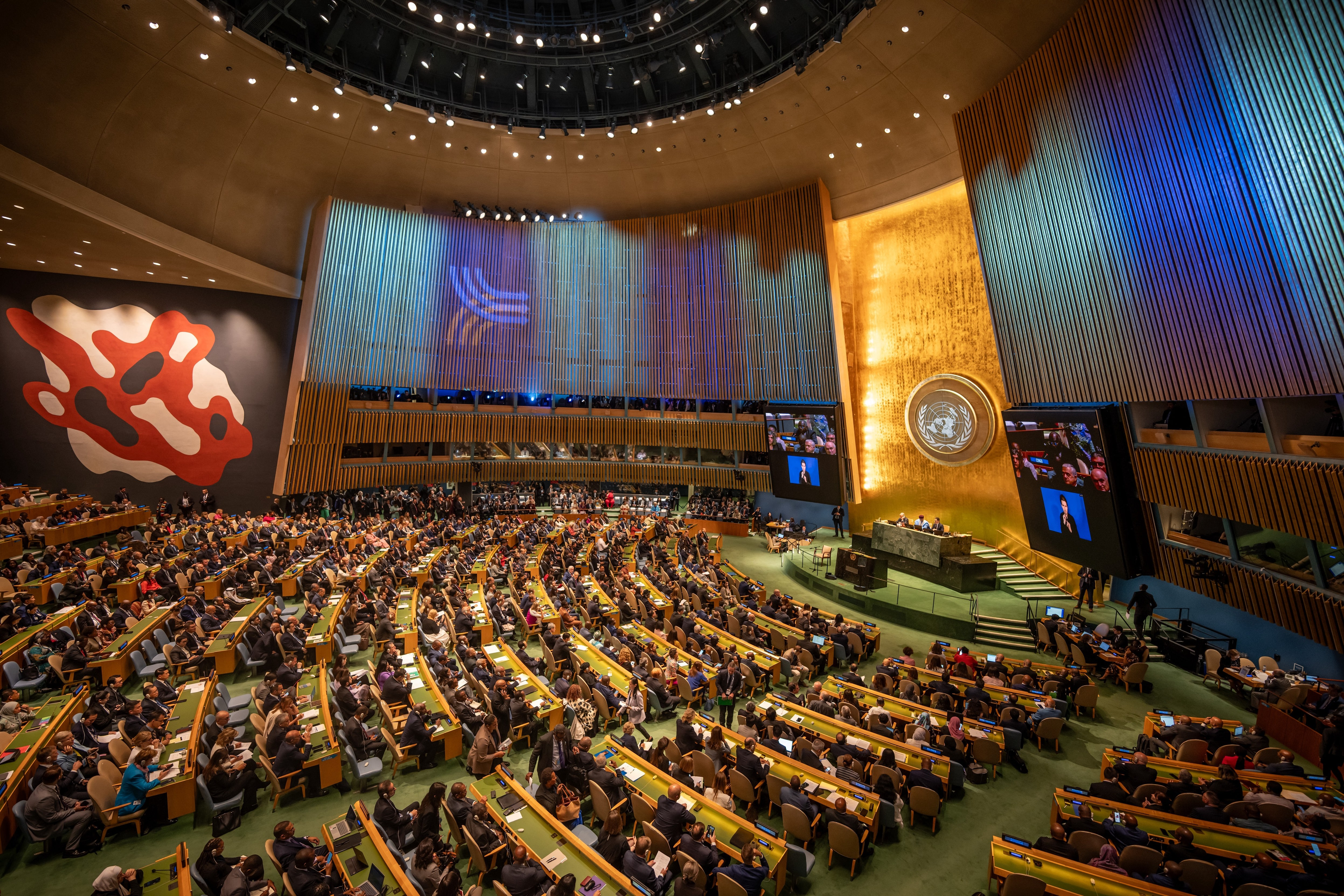
The United Nations General Assembly adopted a historic “Pact for the Future” on Sunday, marking a significant milestone toward enhanced global cooperation. U.N. Secretary-General Antonio Guterres hailed the agreement as a “step-change towards more effective, inclusive, networked multilateralism,” aimed at addressing the world’s most pressing challenges. The pact, adopted without a vote at the start of the two-day Summit of the Future, is the result of nine months of intense negotiations.

Guterres emphasized the urgency of the pact, stating, “We are here to bring multilateralism back from the brink.” He has long advocated for the summit and the agreement, which encompasses key themes such as peace and security, global governance, climate change, digital cooperation, human rights, gender equality, youth, and future generations. The pact includes 56 broad actions that nations have committed to implementing.

Why is it important?

The “Pact for the Future” is a timely response to mounting global crises that demand stronger multilateralism and U.N. reform. It focuses on reinforcing the multilateral system, with the United Nations and its Charter at its core, ensuring that international institutions remain fit for purpose in a rapidly changing world. The pact also includes a framework for responsible and sustainable digital cooperation, reflecting the increasing importance of technology governance.

Key Quotes from the Pact for the Future:

“We recognize that the multilateral system and its institutions, with the United Nations and its Charter at the centre, must be strengthened to keep pace with a changing world. They must be fit for the present and the future – effective and capable, prepared for the future, just, democratic, equitable and representative of today’s world, inclusive, interconnected and financially stable.

“Today, we pledge a new beginning in multilateralism. The actions in this Pact aim to ensure that the United Nations and other key multilateral institutions can deliver a better future for people and planet, enabling us to fulfil our existing commitments while rising to new and emerging challenges and opportunities.”

Context:

Global challenges such as ongoing wars in Ukraine, Gaza, and Sudan, insufficient climate change mitigation efforts, growing national debt issues, and rapid technological advancements without adequate governance have underscored the need for U.N. reform and a reimagined global cooperation framework.

Despite widespread support for the pact, Russia’s Deputy Foreign Affairs Minister Sergey Vershinin criticized the negotiations and the adoption of the agreement. Russia’s attempt to include an amendment—backed by countries like North Korea, Syria, Nicaragua, Belarus, and Iran—failed. The amendment sought to explicitly state that “the United Nations and its system shall not intervene in matters which are essentially within the domestic jurisdiction of any state.”

Exclusive: Iran Delivered Missiles to Russia Without Launchers, Sources Say

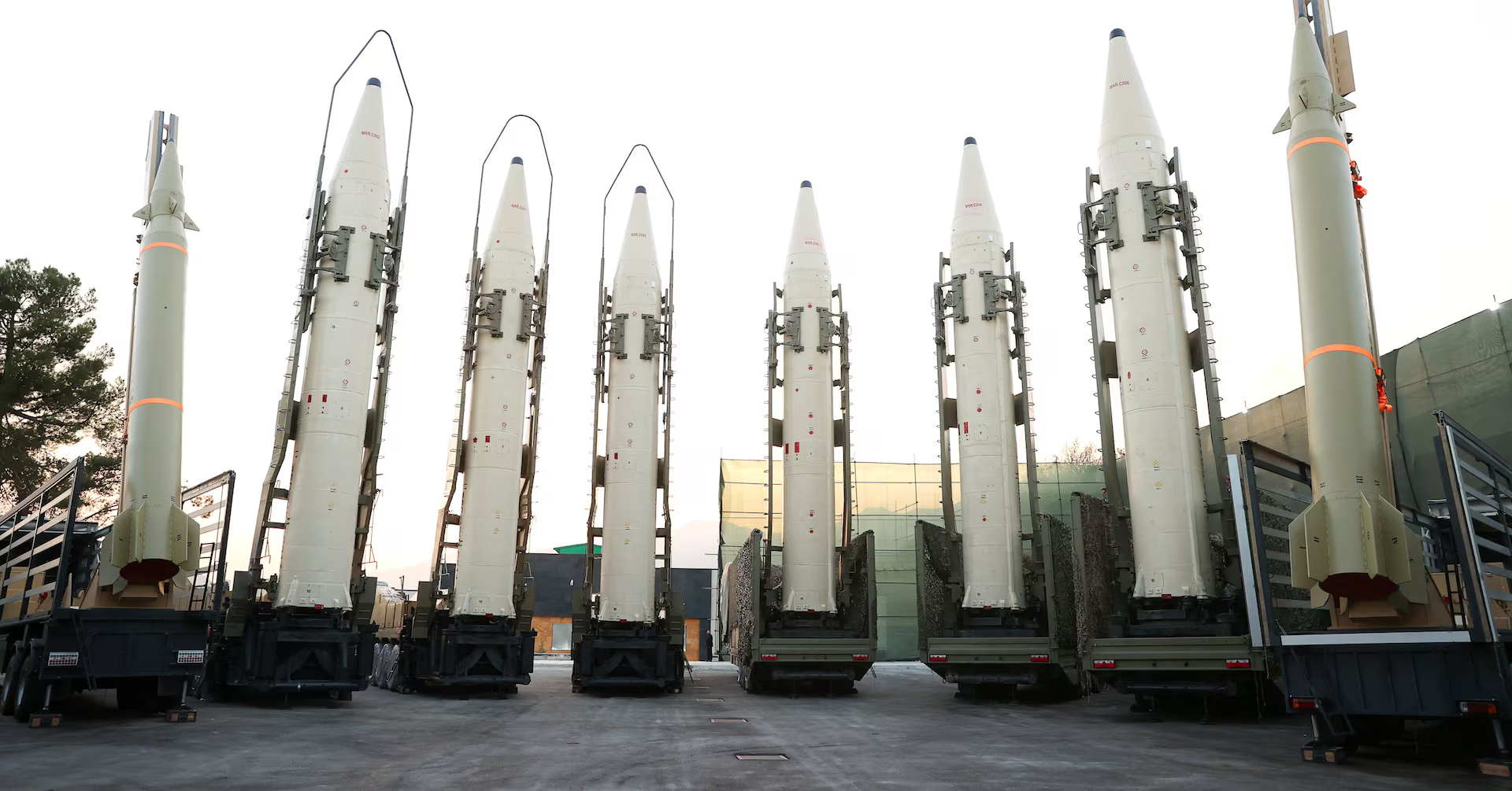
Iran has supplied close-range ballistic missiles to Russia, according to sources, but notably withheld mobile launchers, creating uncertainty about when these missiles will be operational. This development follows last week’s U.S. accusation that Tehran provided Moscow with Fath-360 missiles for use in the war against Ukraine.

Three officials—a European diplomat, a European intelligence official, and a U.S. official—confirmed Iran’s delivery of the missiles but emphasized that no launchers accompanied them. The reasons for this are unclear, but experts have suggested multiple possibilities. Some believe Russia may modify civilian trucks to launch the missiles, similar to what Iran has done. Others speculate Iran’s decision could be a diplomatic maneuver, leaving room for potential negotiations with Western powers to ease tensions.

Iran denies providing missiles or drones to Russia, despite accusations from Ukraine and the West that these weapons are being used to target military and civilian infrastructure. U.S. Secretary of State Antony Blinken stated that the Fath-360 missiles were delivered and would likely be used in Ukraine soon. The missile, which can travel at speeds four times the speed of sound and has a range of up to 75 miles, poses a significant threat to Ukraine, particularly as it continues to adapt its air defenses to Russian innovations.

The absence of launchers complicates matters for Russia, as ballistic missiles require specially designed launchers to be fired. Some analysts suggest that Russia could modify its military-grade vehicles to serve this purpose. Iran has previously used modified civilian trucks, but these may not be suitable for Ukraine’s harsh winter conditions.

The delivery of these missiles comes amid increasing sanctions on Iran by the United States and its European allies. New sanctions target Iran’s aviation sector, among other areas, and further measures are being considered by the European Union.

Meanwhile, Iran’s new president, Masoud Pezeshkian, is expected to engage in diplomatic talks with European officials during the U.N. General Assembly, where issues related to Iran’s missile deliveries, nuclear program, and regional tensions are likely to be discussed. Analysts speculate that Iran’s withholding of the missile launchers could be a tactical move ahead of these talks to avoid further condemnation.

Despite the potential for diplomacy, experts are skeptical about any significant breakthroughs, given Iran’s history of maintaining its stance on key issues.