Chinese tourists huddle against the brisk autumn breeze on a 12-storey building in Fangchuan, the northeastern tip of China where the borders with Russia and North Korea converge. Standing at this unique location, one woman proudly declares her proximity to both nations: “I feel very proud to be standing here… with Russia on my left and North Korea on my right. There are no borders among the people.” However, such optimism may overlook the geopolitical tensions that lie beneath the surface.
China finds itself caught between its sanctioned neighbors as fears rise regarding the burgeoning alliance between Vladimir Putin and Kim Jong Un. Recent reports suggest North Korea may be sending thousands of troops to bolster Russia’s invasion of Ukraine. This was further underscored when Pyongyang launched a banned intercontinental missile last Thursday, escalating tensions in the region. Christopher Green, an analyst from the International Crisis Group, emphasizes that “China seeks a relationship with a reasonable, high level of control over North Korea,” yet the emerging ties between Pyongyang and Moscow threaten to undermine that stability.
While both Moscow and Pyongyang deny that North Korean soldiers are being deployed to Ukraine, U.S. officials assert they have evidence of such movements, following intelligence claims from South Korea and Ukraine. These developments emerged just prior to Xi Jinping’s meeting with Putin at the Brics summit earlier this October, overshadowing a gathering intended to showcase a united front against the West.
Beijing’s frustrations with the current trajectory of its allies are palpable. “China is unhappy with the way things are going,” Green observes, noting that the nation is trying to keep its discontent relatively quiet. In Fangchuan, the presence of tourists is tolerated, but journalists face scrutiny, with the police closely monitoring their activities.
Many tourists visiting the border area express intrigue about North Korea. Through telescopes, they spy cyclists in the hermit kingdom, often captivated by its mysterious aura. This proximity highlights how intertwined the fates of the three nations have become, with China’s economy heavily reliant on North Korea, which relies on Beijing for over 90% of its foreign trade.
Historically, relations between China and North Korea have fluctuated. In the early 1960s, Chinese families fled across the Tumen River into North Korea. However, following the Soviet Union’s collapse in 1991, North Korea’s economy crumbled, and the regime increasingly relied on China. Yet now, with Russia offering an alternative ally, Kim Jong Un is leveraging this relationship for North Korea’s benefit.
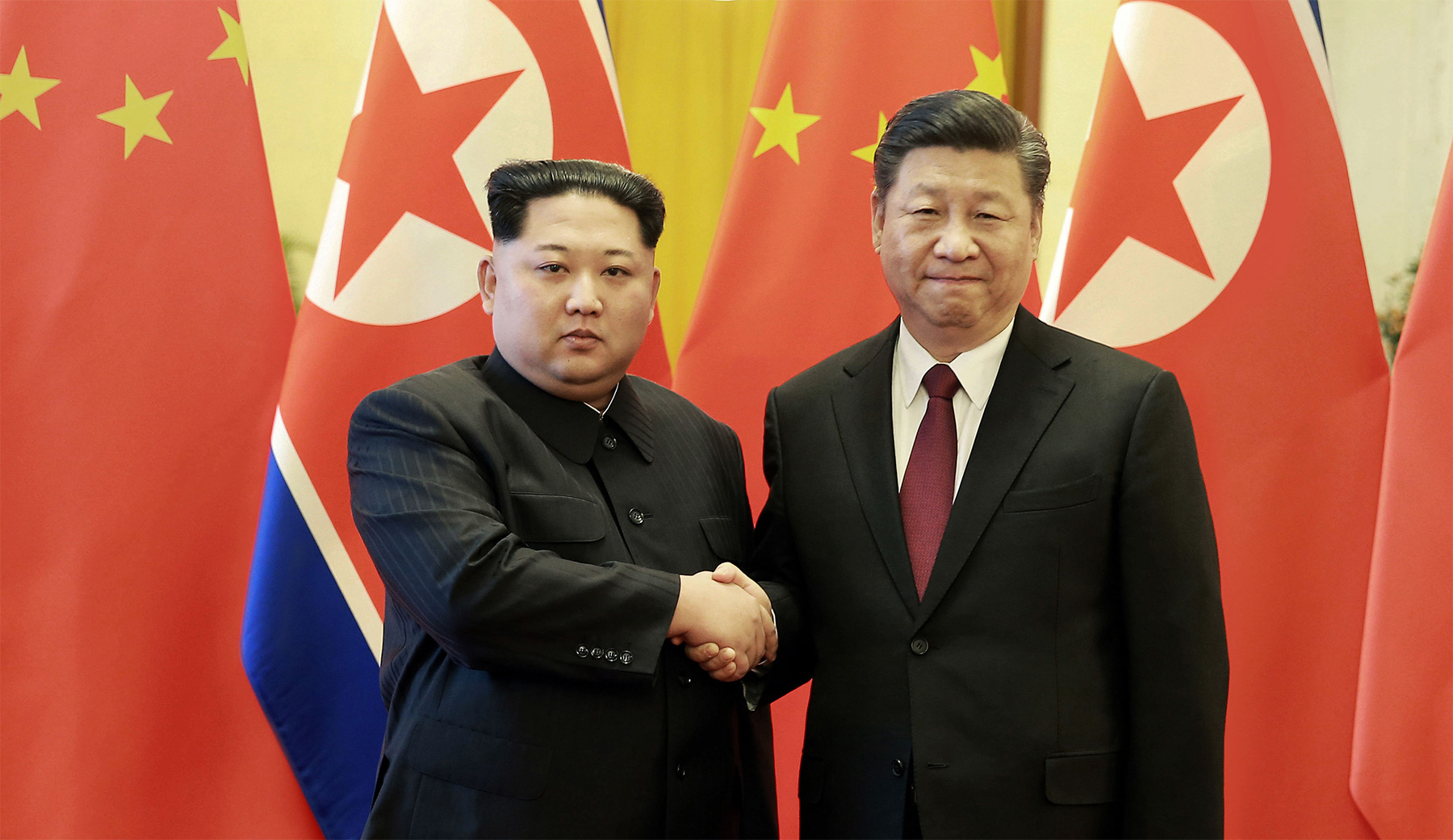
Aidan Foster-Carter, a longtime observer of North Korea, describes the situation as a shift in allegiances, with Kim being characterized as “the comrade from hell” to both Russia and China. Analysts note that Kim has shown more affection towards Putin than Xi in recent months, even meeting with the Russian leader twice in the past year, while avoiding any engagement with Xi since 2019.
As North Korea strengthens its ties with Russia, Kim’s actions may be alienating his traditional benefactor, China. The Kremlin’s needs align with Pyongyang’s ambitions, creating a precarious partnership that could further destabilize the region. Xi, who is striving for stability and a new global order, finds himself in a difficult position, unable to control the unfolding alliance between his two neighbors.
The recent developments have led to discussions between the U.S. and China regarding the situation. While Beijing has previously complied with international sanctions against North Korea, the current circumstances are pushing Xi to weigh his options more carefully. As the situation unfolds, any drastic measures could lead to a refugee crisis at the Chinese border, a scenario that Beijing is keen to avoid.
Ultimately, Kim Jong Un faces a pivotal decision as well. While Russia may currently provide military support, it is China that has historically sustained North Korea’s regime. The delicate balance between maintaining these alliances will have significant implications not just for the leaders but for the millions of North Koreans who rely on the regime for their survival.