
Yazılar

Ukrainian-American Group Opposes SpaceX Starlink Expansion Over Musk’s Alleged Russia Ties

SpaceX’s plan to expand its Starlink satellite network with 22,488 additional satellites is facing formal opposition from the Ukrainian Congress Committee of America (UCCA), which has raised concerns about Elon Musk’s connections to Russia and the use of Starlink technology by Russian forces. The UCCA filed a petition with the Federal Communications Commission (FCC) on Wednesday, requesting that the agency block the expansion.

The UCCA’s objections center around Musk’s alleged interactions with Russian President Vladimir Putin and the use of Starlink in military operations. Musk’s decision to prevent Ukraine from launching an attack on Russia’s Black Sea fleet in 2022, by disabling Starlink service over Crimea, has been a major point of contention. The UCCA’s President, Michael Sawkiw, Jr., expressed concern about the potential national security implications, stating that if Starlink is found to have aided Russia, it would be detrimental to Ukrainian-American interests and U.S. national security.

The UCCA also highlighted other issues, including Musk’s potential conflicts of interest arising from his new role with the incoming Trump administration’s Department of Government Efficiency (DOGE). This advisory body could influence regulations and government spending, including decisions related to SpaceX and its contracts. The UCCA argues that Musk’s involvement with DOGE poses a risk of bias and financial conflict, particularly with his companies receiving government contracts while benefiting from FCC actions.

In addition, the UCCA raised environmental concerns related to SpaceX’s rocket launches in Texas. The Boca Chica site, where SpaceX conducts many of its launches, is in a biologically sensitive area, home to endangered species. The group noted that past launches had led to the destruction of bird nests, exacerbating concerns about the environmental impact.

The petition requests that the FCC delay SpaceX’s expansion plans until an environmental review is conducted and any conflicts of interest surrounding Musk are resolved. This move follows earlier comments from the UCCA opposing SpaceX’s previous requests for additional spectrum for Starlink.

While the petition brings attention to Musk’s relationships and SpaceX’s practices, it is not the only controversy surrounding the company. Musk has previously denied claims that Starlink terminals were sold or used by Russian forces, though multiple reports have suggested otherwise. Additionally, Musk’s business dealings and statements continue to draw scrutiny, with calls for investigations into his ties with Russia.
 

Russia Achieves Milestone with Successful Deployment of 53 Satellites into Orbit

Russia’s Record Satellite Launch Marks Milestone in Space Efforts
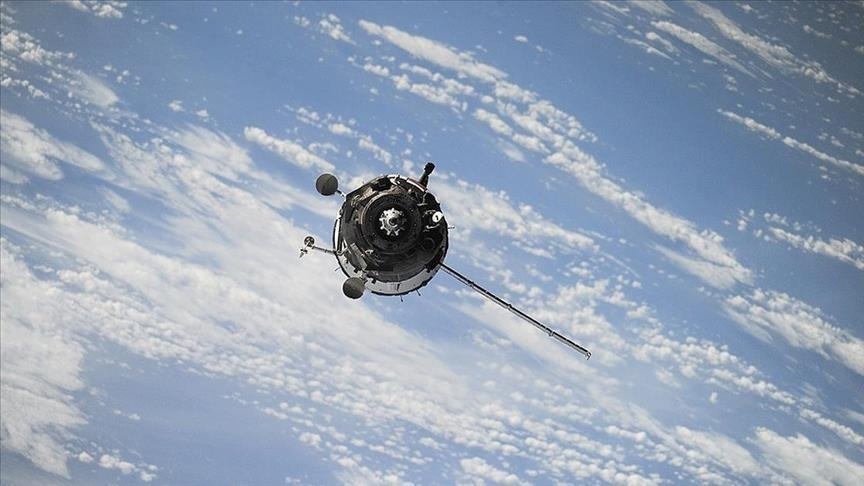
On November 4, 2024, Russia achieved a significant feat in space exploration, successfully launching 53 satellites into orbit. This record-breaking deployment, led by the Russian space agency Roscosmos, utilized a Soyuz-2.1b rocket with a Fregat upper stage. The mission lifted off from the Vostochny Cosmodrome in Russia’s Far East at 6:18 pm EST (2318 GMT or 2:18 am IST on November 5). All satellites reached their designated orbits, marking a seamless accomplishment in Russia’s ongoing efforts to strengthen its presence in the global space industry.

A Global Collaborative Effort
This mission was notable not only for its scale but also for its international collaborations. Among the 53 satellites were 49 of Russian origin, alongside a joint Russian-Chinese satellite and a Russian-Zimbabwean satellite. Additionally, two Iranian satellites joined the payload: the Kowsar imaging satellite, capable of high-resolution imagery, and the Hodhod communication satellite. While this mission set a national record for domestic satellite launches, it fell short of the global benchmark established by SpaceX in January 2021, when 143 satellites were launched in a single mission.

Advancing Ionospheric Research
Included in the payload were two Ionosfera-M satellites, designed to monitor Earth’s ionosphere. These satellites, each weighing 430 kilograms (948 pounds), aim to provide critical data on atmospheric conditions and ionospheric changes, furthering scientific understanding of space weather. Their inclusion underscores Russia’s commitment to leveraging space-based technologies for both scientific and strategic applications.

Significance for Russia’s Space Program
This launch marks the thirteenth of the year for Russia, highlighting a steady, albeit moderate, pace in its space activities compared to global leaders like the United States and China. It reflects Roscosmos’s ambition to expand its satellite infrastructure and international partnerships. With advancements like these, Russia continues to position itself as a key player in the competitive domain of satellite launches and space exploration.

Germany Suspects Sabotage in Baltic Sea Telecoms Cable Damage

Germany Warns of Possible Sabotage After Damage to Undersea Cables

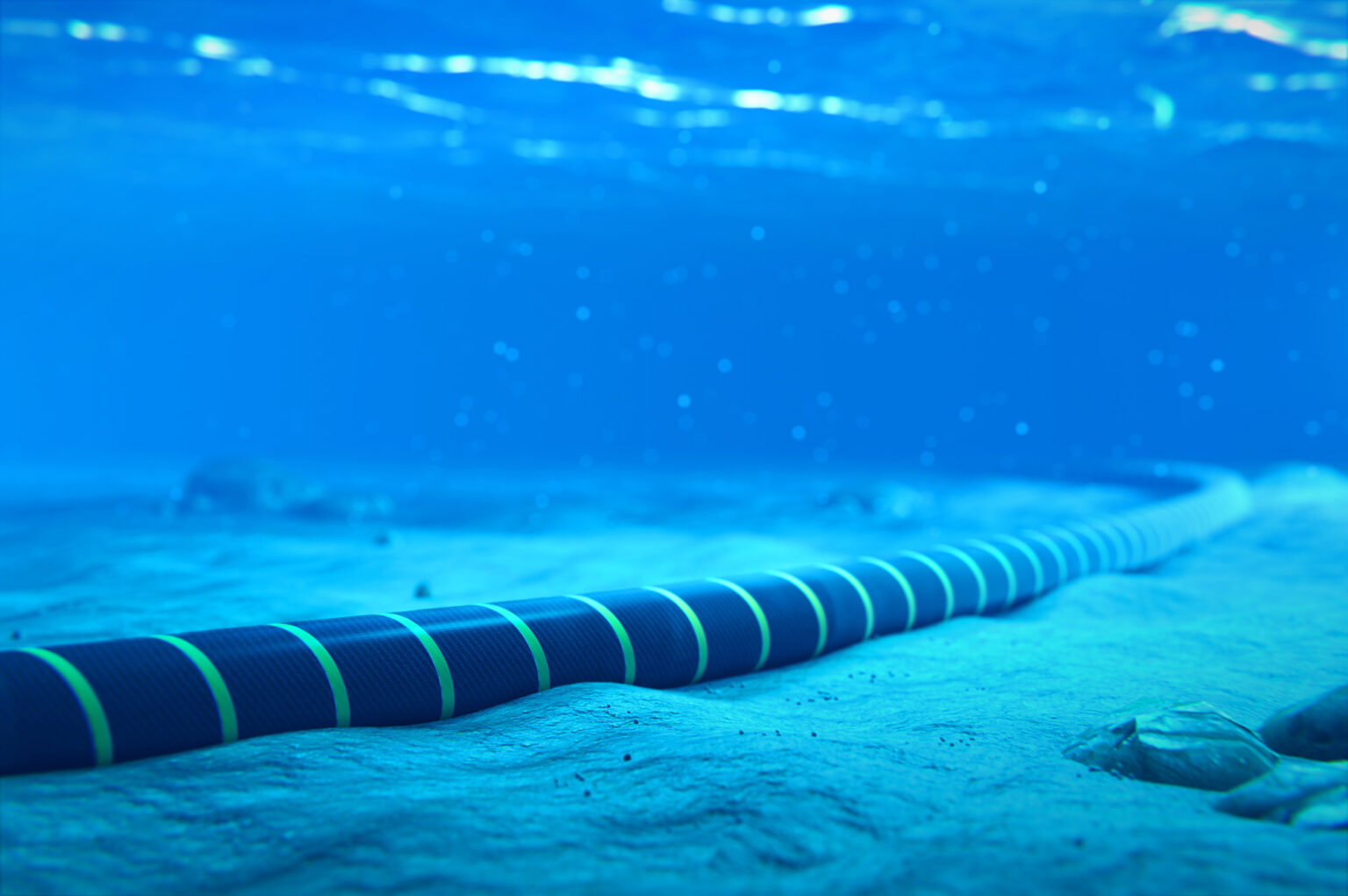
Germany has raised concerns that the recent damage to two underwater telecoms cables in the Baltic Sea could be the result of sabotage. Speaking at a meeting in Brussels, German Defence Minister Boris Pistorius stated that the damage, which occurred between Sunday and Monday, should be presumed to be a deliberate act, dismissing the possibility of accidental damage from ship anchors. The cables affected include one linking Finland and Germany and another connecting Sweden and Lithuania.

Pistorius emphasized that while it remains unclear who was responsible for the damage, the incident should be considered a “hybrid” action, suggesting the possibility of political or military involvement. He expressed skepticism about claims that the cables were damaged accidentally and underlined the need to investigate the situation thoroughly.


Heightened Surveillance and Investigation Underway

In response to the damage, Lithuania has increased its naval patrols in the Baltic Sea. The Lithuanian armed forces are working alongside regional NATO members to assess the situation, while the Lithuanian Prosecutor General’s Office has begun gathering information to decide if a formal investigation should be launched.

The Swedish Post and Telecom Authority is also coordinating with other relevant agencies to gather more details, though it declined to provide further comments on the situation. Both cable companies—Arelion, which operates the cable linking Lithuania and Sweden, and Cinia, which owns the Finland-Germany link—confirmed that the damage was significant, with Arelion calling it “full damage.”


Concerns of Espionage and Sabotage in the Region

The incident comes amid growing tensions in the region, following the war between Russia and Ukraine. Dutch Defence Minister Ruben Brekelmans pointed to increased Russian activity in the seas, suggesting it could be linked to espionage or sabotage aimed at critical infrastructure. This mirrors previous concerns about Russia’s possible involvement in damaging the Nord Stream gas pipelines in 2022, which remains unsolved.

Both Sweden and Germany are closely monitoring the situation, and while no direct evidence has pointed to a specific perpetrator, the damage to the cables raises further questions about the security of vital infrastructure in the region. The companies involved have stated that repairs could take up to 15 days, depending on the assessment of the damage.