Yazılar

Ukraine’s ‘Dragon Drones’ Unleash Molten Metal in Latest Battlefield Innovation

In the ongoing conflict between Ukraine and Russia, Ukraine has introduced a terrifying new weapon: thermite-laden drones, often referred to as “dragon drones.” These drones, equipped with a potent incendiary compound, have been used to target Russian positions with intense, fire-spewing attacks.

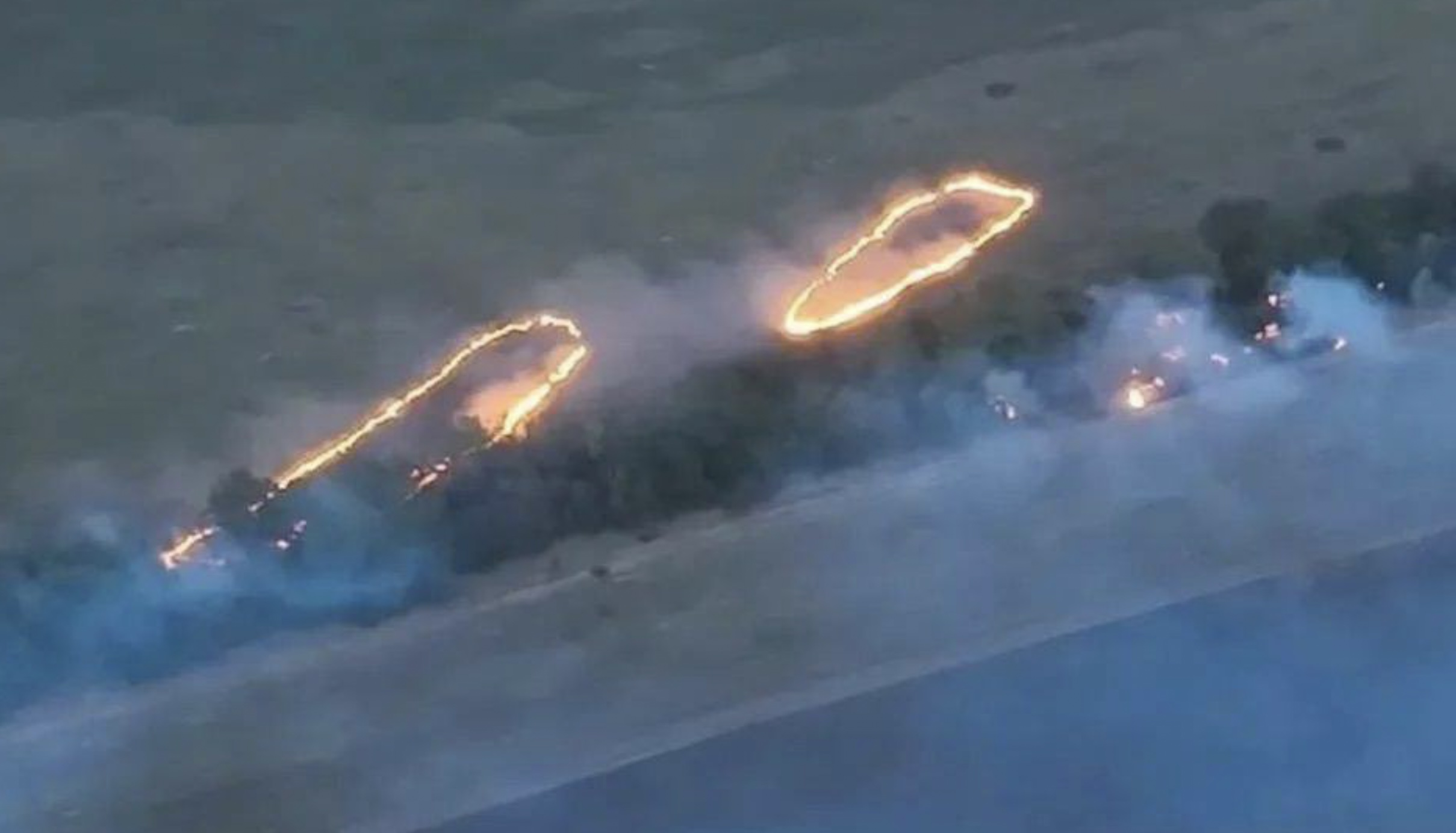
Technology and Use The drones deploy a mixture of aluminum powder and iron oxide known as thermite, which burns at temperatures up to 4,000 degrees Fahrenheit (2,200 degrees Celsius). This extremely high heat can effectively burn through vegetation, structures, and even metal, making it a formidable weapon in modern warfare.

Videos shared on social media by the Ukrainian Defense Ministry demonstrate the drones dropping streams of molten metal onto Russian-held positions, creating a dramatic and fearsome effect. The Ukrainian 60th Mechanized Brigade has highlighted the drones as “wings of vengeance,” emphasizing their precision and psychological impact.

Historical Context Thermite, discovered in the 1890s, was initially used for industrial purposes such as welding railroad tracks. Its military applications became evident during World War I, when it was used in aerial bombs by Germany. Both World Wars saw extensive use of thermite, including its deployment in disabling enemy artillery.

In recent times, Ukraine has adapted thermite for use with drones, enabling targeted strikes that can disable tanks and other equipment. According to Action on Armed Violence (AOAV), this method of delivery allows for precise attacks that bypass traditional defenses, enhancing its effectiveness in modern combat scenarios.

Legal and Ethical Concerns While thermite is not banned under international law, its use is heavily regulated, particularly in terms of targeting civilian areas. The weapon’s devastating effects, including severe burns and long-term medical complications, are well-documented. Human Rights Watch has criticized incendiary weapons for their horrific impact on human health, including deep burns and severe physical trauma.

Impact and Strategy The introduction of thermite drones adds a new dimension to the ongoing conflict, providing Ukraine with a means to exert psychological pressure on Russian forces. Nicholas Drummond, a defense analyst, notes that while thermite drones may not be a game-changer in terms of battlefield strategy, they contribute to creating a climate of fear and uncertainty among enemy troops.

Ukraine’s innovative use of drones reflects a broader trend of adapting technology to gain tactical advantages in the conflict. Despite the ongoing challenges, the effective use of thermite drones represents a significant advancement in Ukraine’s ability to disrupt and demoralize Russian forces.

Broader Implications The use of thermite and other incendiary weapons highlights the evolving nature of warfare and the increasing role of technology in military strategies. As both sides continue to develop and deploy advanced weaponry, the impact on civilian populations and the ethical considerations surrounding these innovations will remain critical issues in the ongoing conflict.

Overall, Ukraine’s deployment of “dragon drones” underscores the growing complexity of modern warfare and the relentless pursuit of technological advancements to gain the upper hand in battle.
Russia Signals Potential Shift in Nuclear Doctrine Amid Escalating Tensions with Ukraine

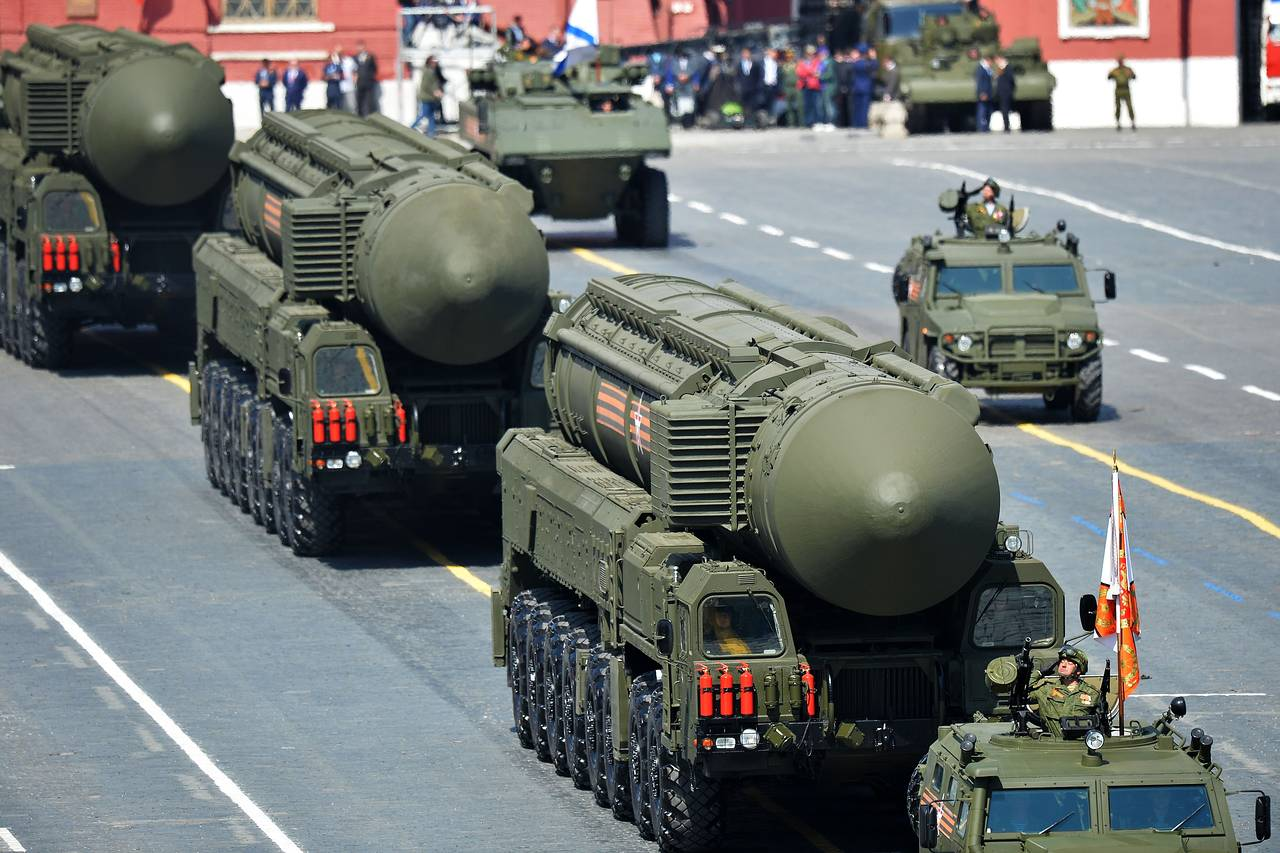
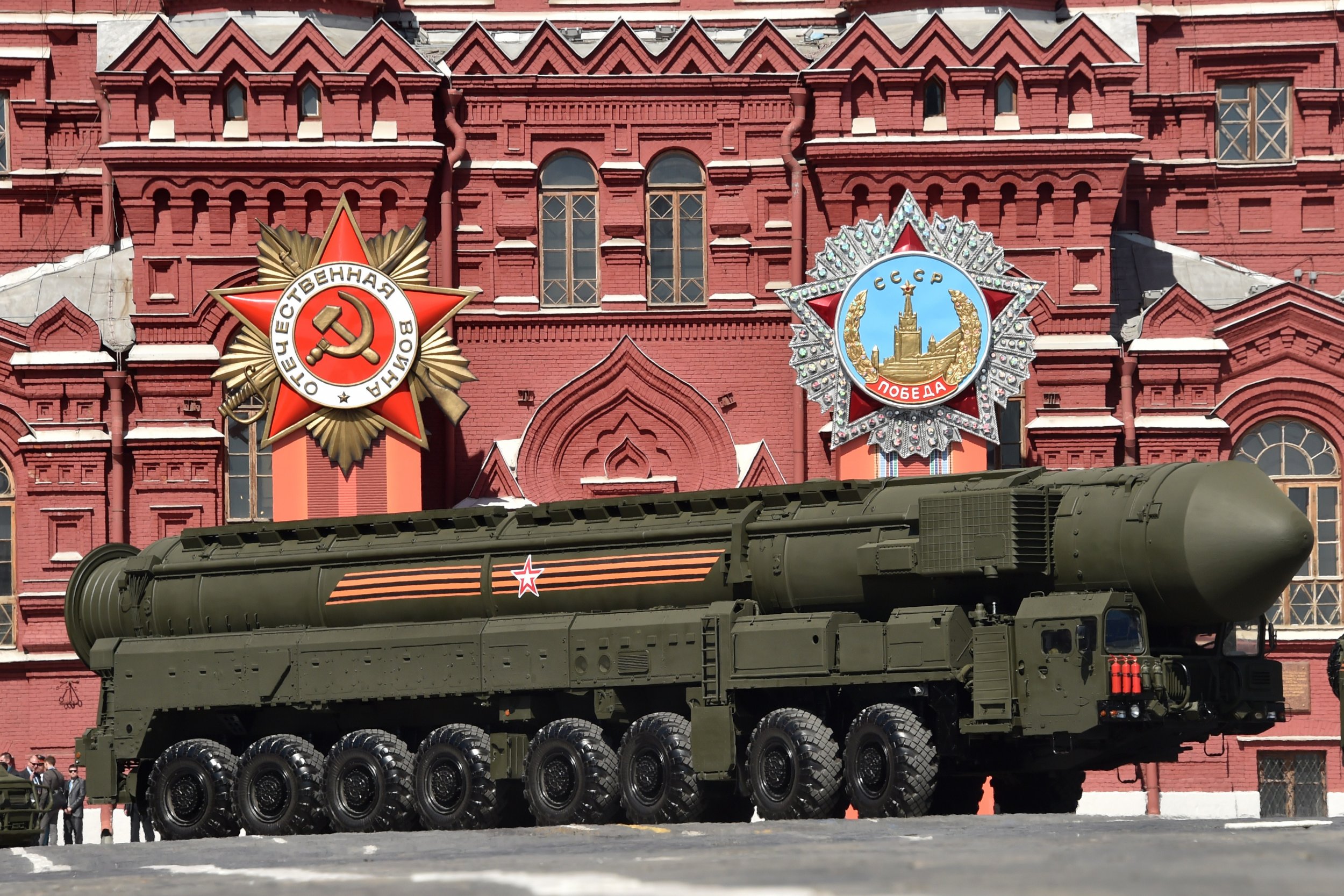
Russia has suggested that it may revise its official stance on the use of nuclear weapons, as tensions continue to escalate with Ukraine following cross-border incursions into Russia’s Kursk region. Deputy Foreign Minister Sergei Ryabkov announced that amendments to Russia’s nuclear doctrine are in progress, motivated by what Moscow perceives as a Western-backed escalation of the conflict with Ukraine.

Ukraine’s recent offensive, which has seized nearly 500 square miles of Russian territory since August, has prompted Russia to reconsider its nuclear policy. Ryabkov pointed to the ongoing military support provided to Ukraine by NATO allies, especially the supply of long-range missiles, as a driving factor behind the revision. Although Western nations have denied involvement in Ukraine’s cross-border operations, Russia accuses them of encouraging the offensive.

Russia’s current nuclear doctrine reserves the right to use nuclear weapons in response to nuclear or other mass destruction weapons used against it or its allies, as well as in the event of conventional aggression threatening the existence of the state. While the doctrine emphasizes nuclear weapons as a deterrent, Russian officials, including President Vladimir Putin, have signaled that the conditions for nuclear deployment could be revised. Putin has referred to the nuclear doctrine as a “living instrument” that could be adjusted based on changing global dynamics.

Picture background

The possibility of deploying nuclear weapons has been a recurring theme since Russia’s invasion of Ukraine in February 2022. Although tactical nuclear weapons, which are designed for battlefield use, have been stationed near Ukraine and in Belarus, Russia has so far refrained from employing them. However, recent Ukrainian incursions into Russian territory have exposed vulnerabilities in Russia’s national defenses, raising concerns about a potential nuclear response.

Despite saber-rattling from Russian officials, analysts believe that the likelihood of Russia deploying nuclear weapons remains low. Experts from the Institute for the Study of War downplayed Ryabkov’s comments, suggesting that the rhetoric is intended to dissuade Western countries from supporting Ukraine further. The potential changes to Russia’s nuclear doctrine are likely aimed at maintaining strategic ambiguity, rather than signaling an imminent shift in nuclear policy.

Russia’s framing of the conflict as an existential battle with the West has kept nuclear tensions simmering, but Ukrainian officials hope that their recent operations will dispel fears of nuclear retaliation and encourage more robust support from NATO, including the approval of longer-range missiles. As both sides continue to escalate, the global community watches closely, concerned that any misstep could trigger a nuclear confrontation with far-reaching consequences.

US Researchers Uncover Likely Launch Site of Russia’s Controversial Nuclear-Powered Missile

Two U.S. researchers have identified a probable deployment site for Russia’s new nuclear-powered missile, the 9M370 Burevestnik, also known as “Skyfall” by NATO. The missile, which boasts near-limitless range and the ability to evade U.S. missile defenses, has been touted by President Vladimir Putin as an “invincible” weapon. However, Western experts have expressed skepticism about its strategic value, citing both its limited advantages and potential safety risks.

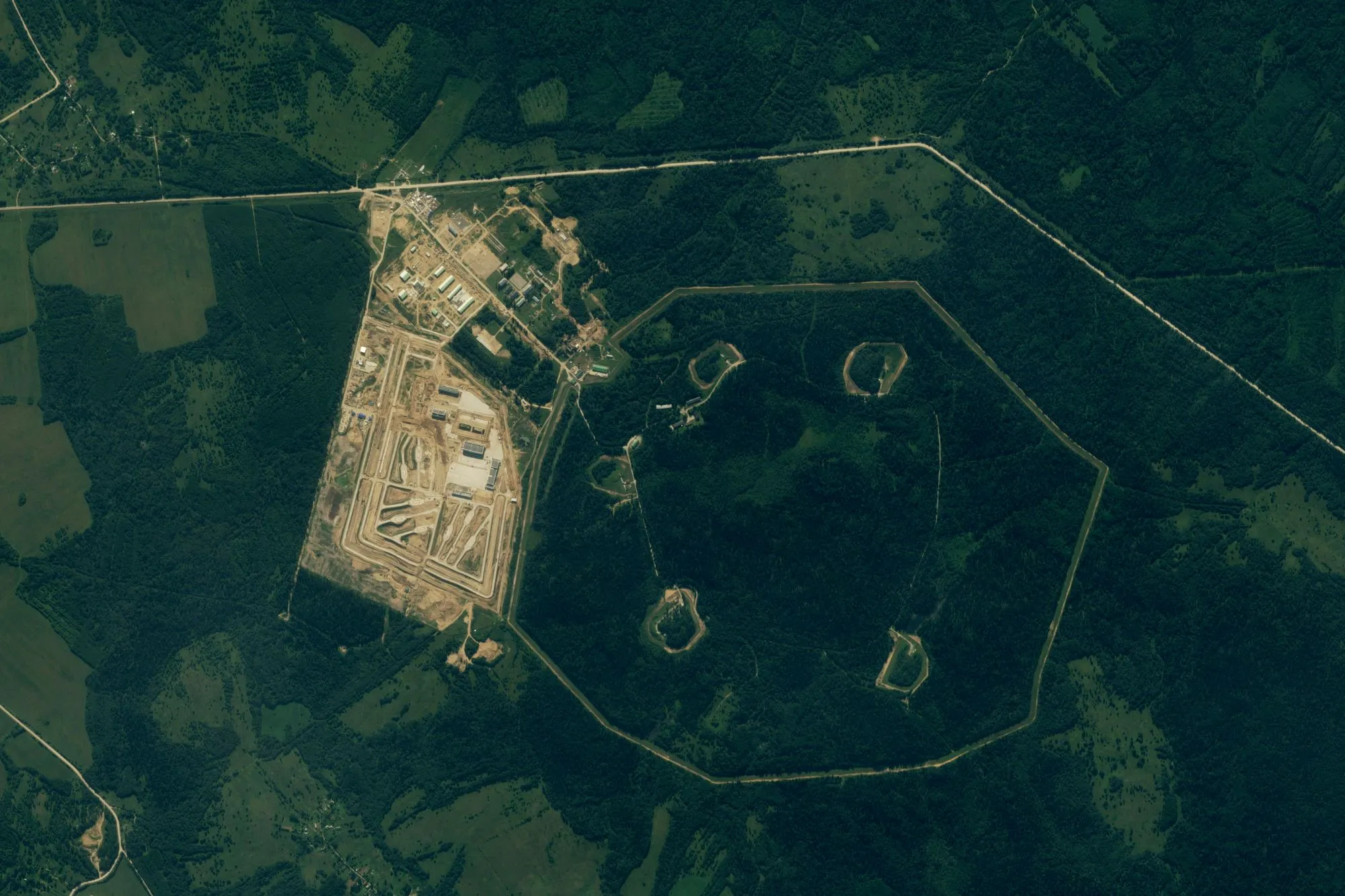
Satellite images taken by Planet Labs on July 26 have revealed a construction project near a nuclear warhead storage facility, Vologda-20, which researchers Decker Eveleth and Jeffery Lewis believe is the missile’s potential deployment site. The facility, located 295 miles north of Moscow, features nine horizontal launch pads, housed within berms for protection, with roads leading to nuclear storage bunkers. This configuration has led the researchers to conclude that Russia is advancing with its deployment of the missile despite a history of problematic test flights.

The missile’s poor performance record has raised doubts about its future. According to the Nuclear Threat Initiative, at least 13 tests since 2016 have only resulted in two partial successes. One of the most concerning failures occurred in 2019 when a nuclear reactor aboard a prototype exploded during recovery, leading to radioactive contamination in the White Sea. While Russia’s state nuclear agency Rosatom acknowledged the death of five engineers in the incident, Putin maintained that the weapon was unparalleled globally.

Despite its shortcomings, some experts believe the Burevestnik could be used as a political tool, enhancing Putin’s image as a strong leader and sending a message to Washington about the limitations of U.S. missile defenses. The missile’s development, which is not banned under the New START treaty, suggests that Russia is determined to expand its nuclear capabilities amidst deteriorating relations with the West, further escalating fears of a new arms race.

While some view the Burevestnik as a unique threat with its nuclear-powered engine capable of emitting radiation along its flight path, others argue it offers little strategic advantage over existing Russian capabilities. Experts like Cheryl Rofer, a former U.S. nuclear weapons scientist, have voiced concerns over its risks, describing the missile as a “flying Chernobyl” that poses more danger to Russia than its adversaries.

With the New START treaty set to expire in 2026, the deployment of the Burevestnik raises significant questions about future arms control efforts between the U.S. and Russia. Some analysts, like Pavel Podvig, speculate that Russia could use the missile as leverage in future negotiations, but with the ongoing war in Ukraine, the prospects for dialogue remain uncertain.

As tensions between Russia and the West continue to grow, the Burevestnik represents both a technological gamble and a potential bargaining chip in the high-stakes world of nuclear diplomacy.