Yazılar

Intel CEO Lip-Bu Tan Takes Charge of AI Strategy After CTO Departs for OpenAI

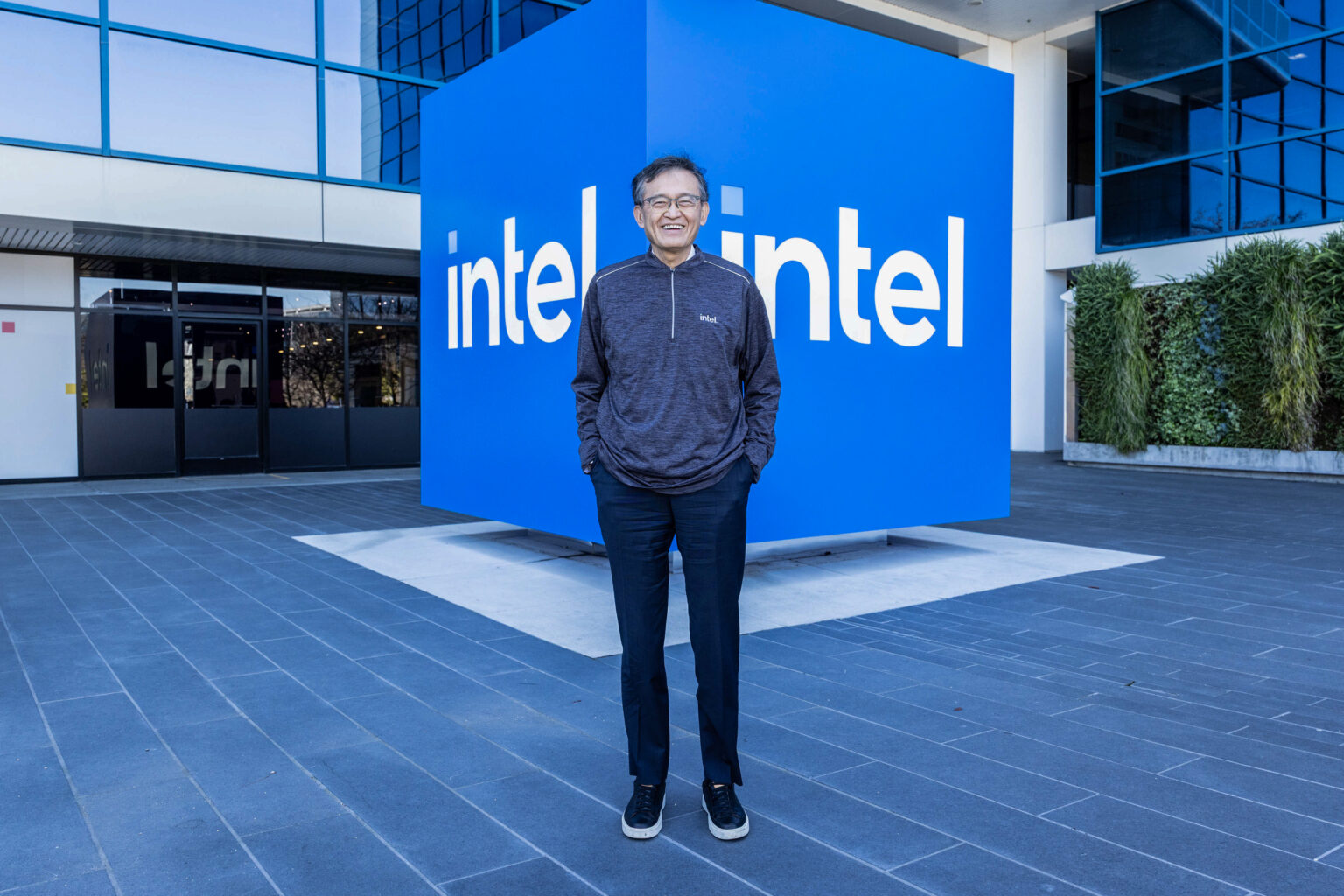
Intel announced that its CEO Lip-Bu Tan will directly oversee the company’s artificial intelligence strategy, following the departure of Chief Technology Officer Sachin Katti to OpenAI, the creator of ChatGPT.

Katti, who had led Intel’s AI division since a major management reshuffle in January, revealed on X (formerly Twitter) that he joined OpenAI, where he will focus on building the company’s compute infrastructure to support artificial general intelligence (AGI) research.

Intel confirmed the move in a statement, saying: “We thank Sachin for his contributions and wish him all the best. Lip-Bu will lead the AI and Advanced Technologies Groups, working closely with the team. AI remains one of Intel’s highest strategic priorities.”

The leadership change comes at a crucial time for Intel, which is working to reposition itself in the AI chip race dominated by Nvidia and TSMC. While Intel’s CPUs are still widely used in AI server systems, the company has struggled to deliver a competitive data center AI chip to match Nvidia’s specialized silicon.

Katti joined Intel four years ago, initially heading its networking group before being promoted by then-CEO Pat Gelsinger. Under Tan, who took over in March 2025, Katti became both Chief Technology Officer and Chief AI Officer in April, part of a broader restructuring to streamline decision-making.

Tan, a seasoned industry leader known for bold turnarounds, has been reshaping Intel’s leadership. He recently expanded Naga Chandrasekaran’s responsibilities to strengthen Intel’s foundry operations and hired Kevork Kechichian, formerly of Arm, to head its data center division.

Intel continues to emphasize AI as central to its recovery strategy amid fierce global competition.
Intel unveils new AI data center chip “Crescent Island” to relaunch AI ambitions

Intel has announced plans to launch a new artificial intelligence chip for data centers next year, marking a renewed effort to reclaim ground in the booming AI hardware market dominated by Nvidia and AMD.

The new GPU, named Crescent Island, will prioritize energy efficiency and be optimized for AI inference workloads, Intel Chief Technology Officer Sachin Katti said at the Open Compute Summit on Tuesday. “It emphasizes our focus on inference, optimized for AI, and for delivering the best performance per dollar,” Katti said.

The announcement represents Intel’s latest bid to reenter the AI race after CEO Lip-Bu Tan pledged to restart the company’s stalled AI programs, including the Gaudi and Falcon Shores lines. Despite trailing competitors, Intel hopes to capture a meaningful share of the rapidly expanding data center market fueled by generative AI adoption since ChatGPT’s 2022 debut.

Crescent Island will feature 160 gigabytes of memory, though slower than the high-bandwidth memory (HBM) used in AMD and Nvidia’s top-tier AI chips. The chip will be based on Intel’s existing consumer GPU architecture, underscoring the company’s modular approach that allows customers to mix and match chips from multiple vendors.

Intel also committed to releasing new data center AI chips annually, matching the cadence of rivals AMD, Nvidia, and major cloud providers developing their own silicon.

The move follows Nvidia’s $5 billion investment in Intel, which gave it a 4% stake and launched a partnership to co-develop future AI and PC chips. Katti said the collaboration aims to ensure Intel CPUs remain integrated into AI systems worldwide as the company seeks to position itself as an indispensable player in next-generation computing.