Yazılar

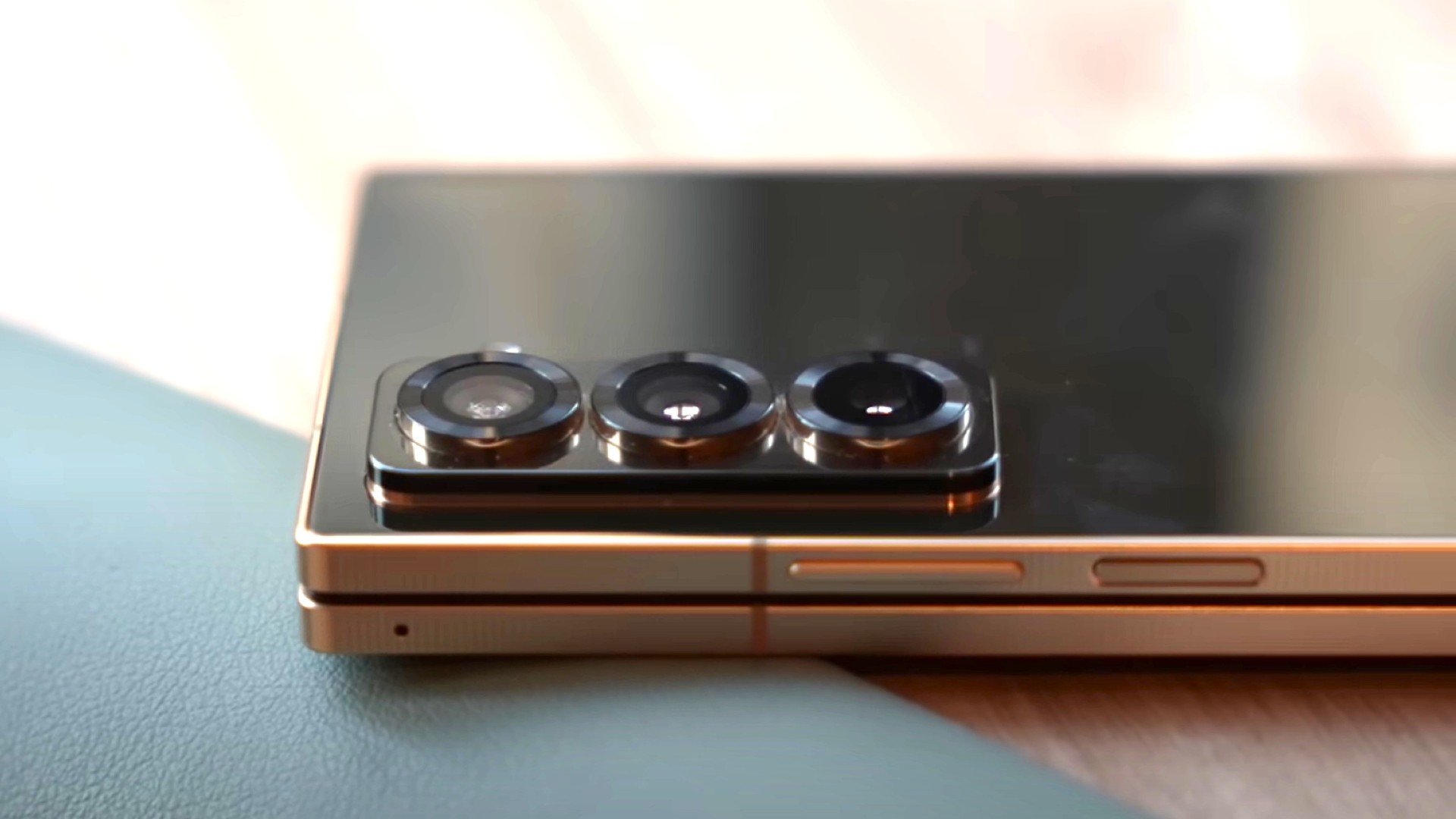
Samsung Galaxy Z Flip Debut in July Powered by Exynos 2500 Chipset

Samsung is gearing up to launch the Galaxy Z Flip 7 later this year, following the success of the Galaxy Z Flip 6. While the current Flip 6 runs on the powerful Snapdragon 8 Gen 3 chipset, rumors about the Flip 7’s processor have been conflicting. Initially, it was expected to debut with the Snapdragon 8 Elite SoC, but recent reports suggest that Samsung might instead opt for its own Exynos 2500 chipset. This new information sheds light on the upcoming foldable’s production timeline and the strategic decisions behind its hardware choices.

According to a report from ChosunBiz, the Galaxy Z Flip 7 will indeed be powered by the Exynos 2500, marking a shift away from the Snapdragon chipsets that have traditionally powered Samsung’s foldables. The report also mentions that mass production of the Flip 7 is scheduled to begin as early as May, with about 200,000 units expected to roll off production lines by June. This sets the stage for a potential launch in July, giving Samsung a mid-year window to introduce its latest clamshell foldable to the market.

One of the driving factors behind Samsung’s decision to use the Exynos 2500 appears to be cost and production efficiency. With a relatively limited production run of 200,000 units, Samsung may find it more feasible and economical to use its in-house chipset rather than relying on Qualcomm’s Snapdragon processors. This move could allow Samsung to either offer the Galaxy Z Flip 7 at a more competitive price or maintain healthier profit margins. This approach would also reinforce Samsung’s growing confidence in its own chip manufacturing capabilities.

Separately, there have been rumors of a more affordable, slimmer variant of the Galaxy Z Flip 7, possibly branded as an FE or Xe model. This version is expected to come equipped with the Exynos 2400e, another in-house chip designed for cost-effective performance. Together, these developments suggest Samsung is diversifying its foldable lineup to cater to different market segments while balancing innovation, pricing, and production constraints.

Samsung’s Harman Acquires Masimo’s Audio Unit for $350 Million to Bolster Global Audio Market Position

Samsung Electronics announced on Wednesday that its subsidiary Harman International has signed a $350 million deal to acquire the audio business of U.S.-based medical and consumer technology company Masimo. The move is aimed at strengthening Harman’s leadership in the global consumer audio market, which is projected to grow from $60.8 billion in 2025 to $70 billion by 2029.

Samsung said the acquisition will create synergies with its existing businesses, particularly mobile devices, TVs, and home appliances, enhancing its competitive edge in high-end sound and audio technologies.

This acquisition is part of a broader strategy Samsung outlined in March during its annual shareholder meeting, where executives emphasized the importance of pursuing meaningful” mergers and acquisitions to drive growth and respond to investor concerns. The company signaled its determination to deliver tangible results in 2025, and this deal marks a key step toward that goal.

Harman, known for brands such as JBL, Harman Kardon, and AKG, will now be further empowered to expand its reach in the premium and professional audio segments by integrating Masimo’s audio assets.

Samsung Galaxy S25 FE May Reuse Exynos Chip from Galaxy S24 FE, Report Claims

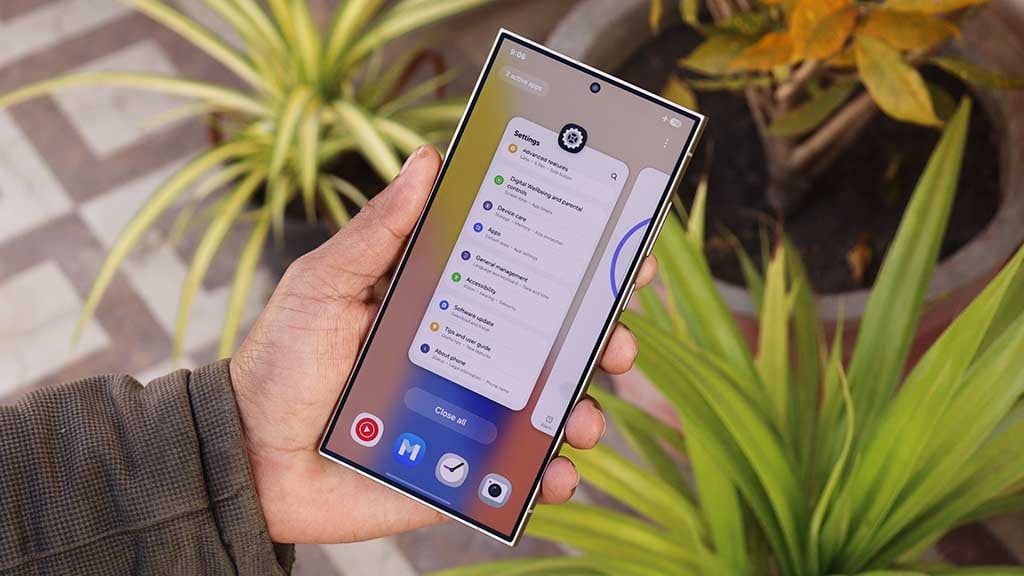
Samsung appears to be working on the Galaxy S25 FE, the next entry in its popular ‘Fan Edition’ line of smartphones. While the company has yet to officially confirm the device, industry sources suggest it could launch by late Q3 or early Q4 of 2025. Designed as a more budget-friendly alternative to the flagship Galaxy S25, the upcoming model may carry over several specifications from its predecessor—including the processor.

According to a report from Android Authority, the Galaxy S25 FE is internally codenamed R13, following the naming sequence used for previous models (R12 for the Galaxy S24 FE and R11 for the S23 FE). Leaked firmware information reveals that the device is expected to use the same Exynos 2400e chipset found in last year’s S24 FE, with the codename “siop_r13s_s5e9945” hinting directly at the processor’s part number.

If these details are accurate, Samsung may be opting to reuse its Exynos 2400e chip in the new FE model, rather than upgrading to a newer SoC. This could help the company manage production costs, especially with the Fan Edition series aimed at offering flagship-like features at a more affordable price point. However, sticking with the same chip means the S25 FE may lag behind competitors powered by the latest Snapdragon 8 Gen 4 or MediaTek Dimensity 9400 chips—possibly even trailing the older Snapdragon 8 Gen 3 in performance benchmarks.

In related news, the report also notes that Samsung’s upcoming Galaxy M36 5G for the Indian market will be powered by the same Exynos 1380 processor used in the Galaxy M35 5G. This further suggests Samsung is focused on maintaining consistency across its midrange devices, though some fans may be disappointed by the lack of significant performance upgrades in the S25 FE. As always, more details are expected to emerge closer to the official launch window.