Yazılar

Antarctica Turns Green: Vegetation Expanding at an Alarming Rate Due to Climate Change

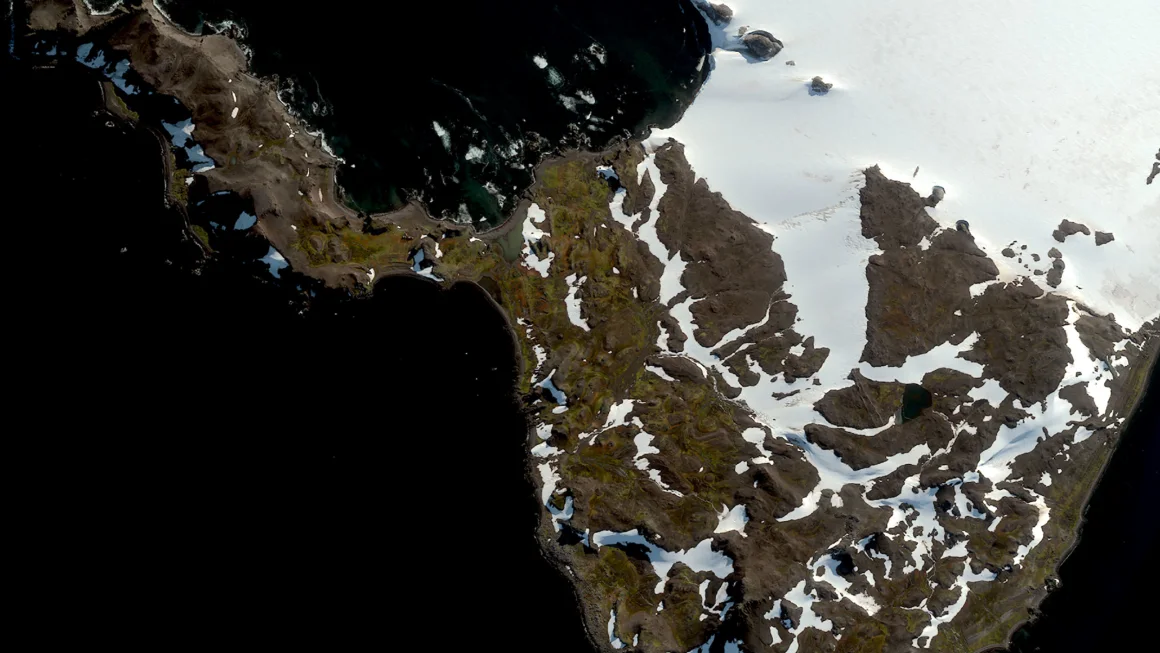
Recent research has revealed that parts of Antarctica are rapidly turning green as vegetation spreads across the Antarctic Peninsula, a region that has been warming much faster than the global average. Using satellite imagery, scientists from the Universities of Exeter and Hertfordshire and the British Antarctic Survey found that plant life, primarily mosses, has increased more than tenfold over the past four decades.

In 1986, vegetation covered less than 0.4 square miles, but by 2021, this area had expanded to almost 5 square miles. The greening rate has also accelerated by over 30% between 2016 and 2021. This phenomenon is being attributed to extreme heat events that have gripped Antarctica, with parts of the continent experiencing record-breaking temperature rises. In mid-July, temperatures soared 50 degrees Fahrenheit above normal, and in March 2022, some areas recorded an astounding 70-degree departure from average.

While the Antarctic Peninsula remains largely snow, ice, and rock, the growing green patches are a clear sign of anthropogenic climate change, according to Thomas Roland, a study co-author from the University of Exeter. The research highlights that even Antarctica, one of the most extreme and isolated environments on Earth, is not immune to the impacts of climate change, and these changes are visible from space.

The greening trend could have significant ecological consequences. Invasive species may find the new environment more hospitable, potentially disrupting the native wildlife. Plant life could also affect the region’s ability to reflect solar radiation, with darker surfaces absorbing more heat and possibly accelerating local warming. Scientists predict that as the fossil fuel-driven warming continues, the greening of Antarctica is likely to increase.

While the study focused primarily on larger moss fields, there are concerns that other types of vegetation, such as lichens, grasses, and algae, are also spreading. Matthew Davey, a polar plant expert, noted that the actual amount of vegetation may be even larger than detected. As glaciers continue to retreat, researchers plan to investigate how these plants colonize the newly exposed land.
 

China’s Newest Nuclear Submarine Sank Earlier This Year, US Officials Confirm

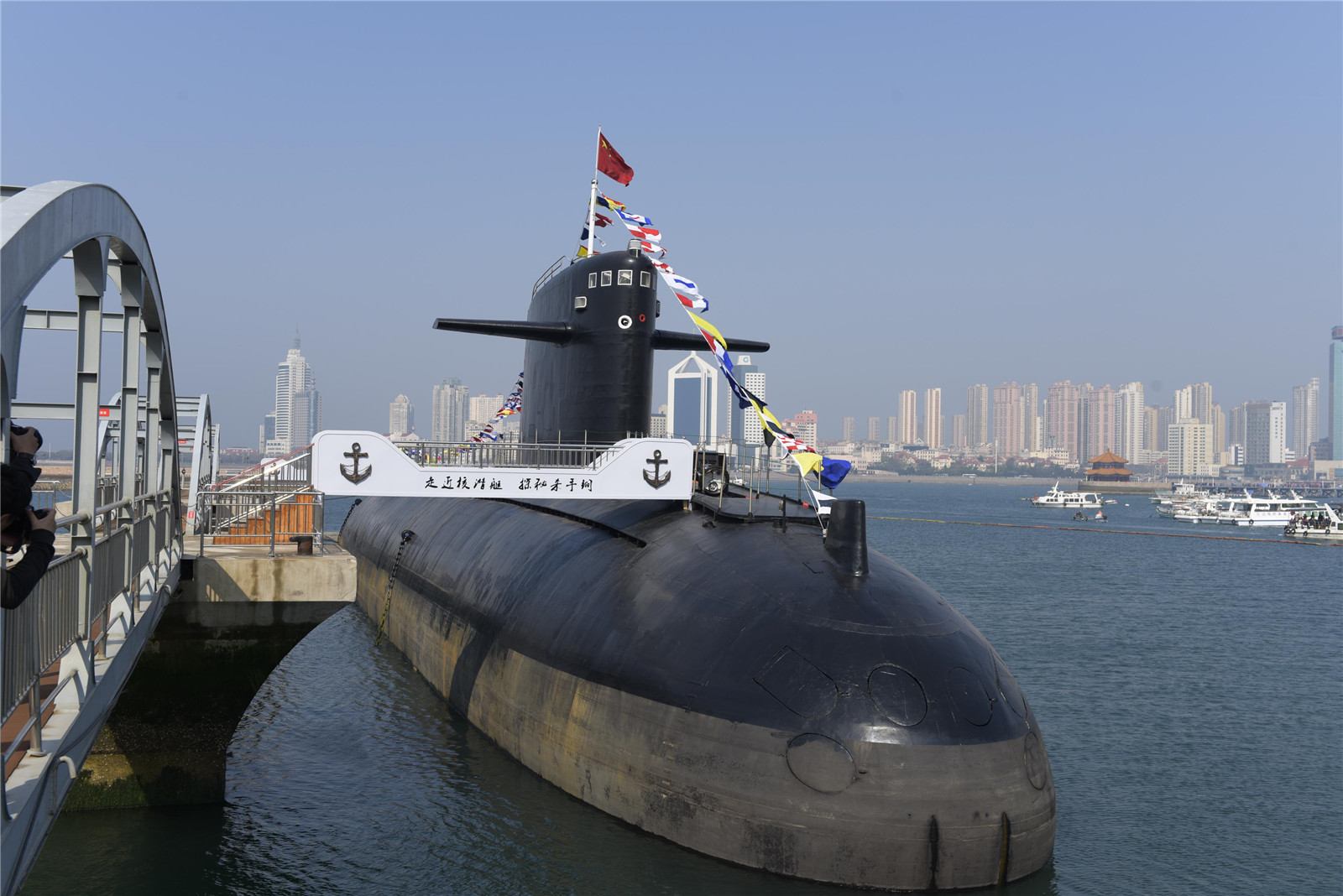
China’s newest nuclear-powered submarine, the first of its Zhou-class line, sank pierside earlier this year, according to two US defense officials. The attack submarine, known for its distinctive X-shaped stern designed to enhance underwater maneuverability, was under construction at a shipyard near Wuhan. Although the Chinese Navy attempted to conceal the incident, satellite imagery captured by Maxar Technologies in March and reviewed later in June confirmed the submarine’s disappearance from its docking site.

The sinking marks a significant loss for the People’s Liberation Army (PLA) Navy, which has prioritized the modernization of its fleet as part of China’s ambition to establish a military on par with that of the United States. A senior US defense official expressed little surprise at China’s efforts to hide the incident, noting that the PLA Navy would likely want to avoid publicizing the loss of its first-in-class nuclear-powered submarine.

Tom Shugart, a senior fellow at the Center for a New American Security, who closely monitors Chinese shipyards through satellite imagery, first observed unusual activity at the location. Shugart noted a rare clustering of cranes at the shipyard—an anomaly compared to historical images of the area. Additionally, the submarine, easily recognizable by its large size and unique tail, had not returned to the pier by mid-year, raising further suspicions of the vessel’s fate.

Beijing’s naval ambitions are vast, with modernization of the PLA Navy’s submarine force being one of its highest priorities. According to a 2023 military power report, the PLA Navy currently operates a total of 60 submarines, including six nuclear-powered ballistic missile submarines, six nuclear-powered attack submarines, and 48 diesel-powered attack submarines. China aims to further expand this fleet to 80 submarines by 2035, despite retiring older models.

The loss of the Zhou-class submarine highlights potential oversight and accountability issues within China’s defense industry. Corruption has long plagued the country’s defense sector, and the incident could raise deeper concerns about internal management within the PLA.

The US, which has identified China as its primary long-term military competitor, operates a more extensive nuclear-powered submarine fleet, including 53 fast attack submarines, 14 ballistic-missile submarines, and four guided-missile submarines. The Chinese PLA Navy, however, remains the largest in the world by total ship count, with 370 platforms, including 234 warships, compared to the US Navy’s 219 warships.

It remains unclear whether the Zhou-class submarine had been fueled with nuclear material when it sank, adding another layer of mystery to the situation. Chinese embassy officials in Washington, D.C., offered no comment, stating they had no information on the incident.