Yazılar

Google-backed Pixxel Launches India’s First Private Satellite Constellation

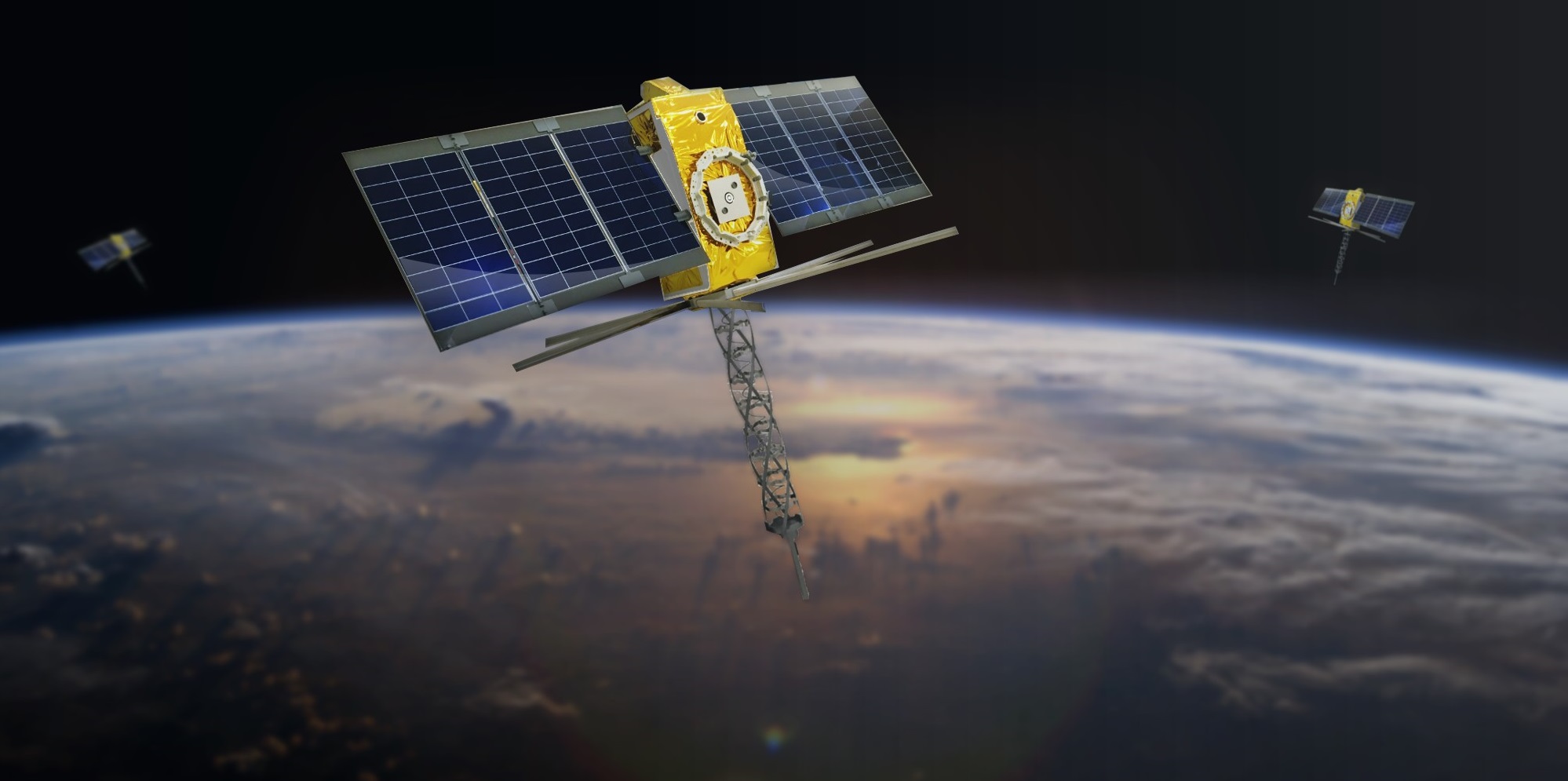
Indian space tech startup Pixxel achieved a significant milestone on Tuesday with the successful launch of three of its six hyperspectral imaging satellites aboard a SpaceX rocket. The launch took place at 1915 GMT from the Vandenberg Space Force Base in California, marking a major step forward for India’s burgeoning private space industry and for the five-year-old, Google-backed company.

The satellites will utilize hyperspectral imaging technology, which captures detailed data across hundreds of light bands. This technology is poised to revolutionize various sectors, including agriculture, mining, environmental monitoring, and defense. In India, where agriculture plays a critical role in the economy, Pixxel’s technology can enhance crop yield predictions, monitor environmental changes like oil spills, and provide detailed insights on geographical boundaries and resource tracking.

The remaining three satellites are expected to be launched in the second quarter of the year. In addition to Pixxel’s satellites, the SpaceX rocket also carried a satellite from Indian space company Diganatara.

Pixxel’s founder and CEO, Awais Ahmed, projected that the satellite imagery market could reach $19 billion by 2029, with hyperspectral imaging capturing $500 million to $1 billion of this market. Pixxel has already attracted 65 clients, including major players such as Rio Tinto, British Petroleum, and India’s Ministry of Agriculture, with some clients purchasing data from its demonstration satellites.

Although the U.S. dominates the global satellite launch industry, India holds just a 2% share of the global commercial space market, despite its established space capabilities.

 

UK Grants Approval for First Vertical Rocket Launch

Britain has officially approved the first vertical rocket launch, marking a significant milestone for the country’s space industry. Rocket Factory Augsburg (RFA), a German company, has received the necessary license to launch its 30-meter-tall rocket from SaxaVord Spaceport in the Shetland Islands, located in northern Scotland. The launch is expected to take place in the third quarter of 2025, according to sources familiar with the timeline.

The UK has long sought to establish its own launch capabilities, supplementing its rapidly growing space sector, which currently employs over 45,000 people and manufactures more satellites than any country outside the United States. Despite these ambitions, the country’s efforts took a setback two years ago when a horizontal rocket launch from Newquay, southwest England, ended in failure.

A successful vertical launch would be a major step toward revitalizing the UK space industry. The Civil Aviation Authority (CAA) issued the country’s first-ever vertical launch license, allowing RFA’s rocket to carry satellites into orbit. The CAA will continue its safety monitoring process over the coming months to ensure the launch meets all regulatory and safety standards.

“This is a landmark moment for RFA, SaxaVord, and the UK space sector,” said Aviation Minister Mike Kane. “It brings us one step closer to the first commercial vertical space launch in the United Kingdom.”

However, several conditions must be met before the launch proceeds, including securing insurance and ensuring that international agreements with other nations are in place, as per the CAA’s statement.


Rocket Lab Postpones Launch of Synspective’s Earth-Imaging Satellite

Rocket Lab’s scheduled launch of a radar-imaging satellite for the Japanese firm Synspective encountered an unexpected delay. The Electron rocket, intended to launch from Rocket Lab’s New Zealand facility on December 20, 2024, was grounded roughly 17 minutes before liftoff. According to the company’s statement on X (formerly Twitter), the delay was due to the need for additional analysis of sensor data. As of now, no new date for the launch has been provided.

The mission, named “Owl The Way Up,” is designed to deploy a synthetic aperture radar (SAR) satellite for Synspective. The satellite is part of Synspective’s ongoing effort to create a constellation of 30 Strix SAR satellites, which will orbit Earth in low Earth orbit. The Strix satellites are capable of providing high-resolution images of Earth’s surface, even detecting minor changes as small as a few millimeters.

The mission would mark the sixth deployment in the Strix series. Synspective, a company focused on space-based data solutions, relies on Rocket Lab for the launch of its radar-imaging satellites, with 16 dedicated launches planned to complete the Strix constellation. If successful, the upcoming Electron rocket launch will place the Strix satellite into a circular orbit approximately 574 kilometers above Earth, 54.5 minutes after takeoff.

With this mission, Rocket Lab continues to support innovative satellite technologies that contribute to Earth observation and monitoring. However, the postponement serves as a reminder of the complexities involved in space missions, where data integrity and review are critical to ensuring the success of the operation. As the revised launch date remains unclear, both Synspective and Rocket Lab are likely working to ensure all aspects are thoroughly checked before proceeding.