Yazılar

SpaceX Falcon 9 Rocket to Deploy 24 Starlink Satellites from Florida

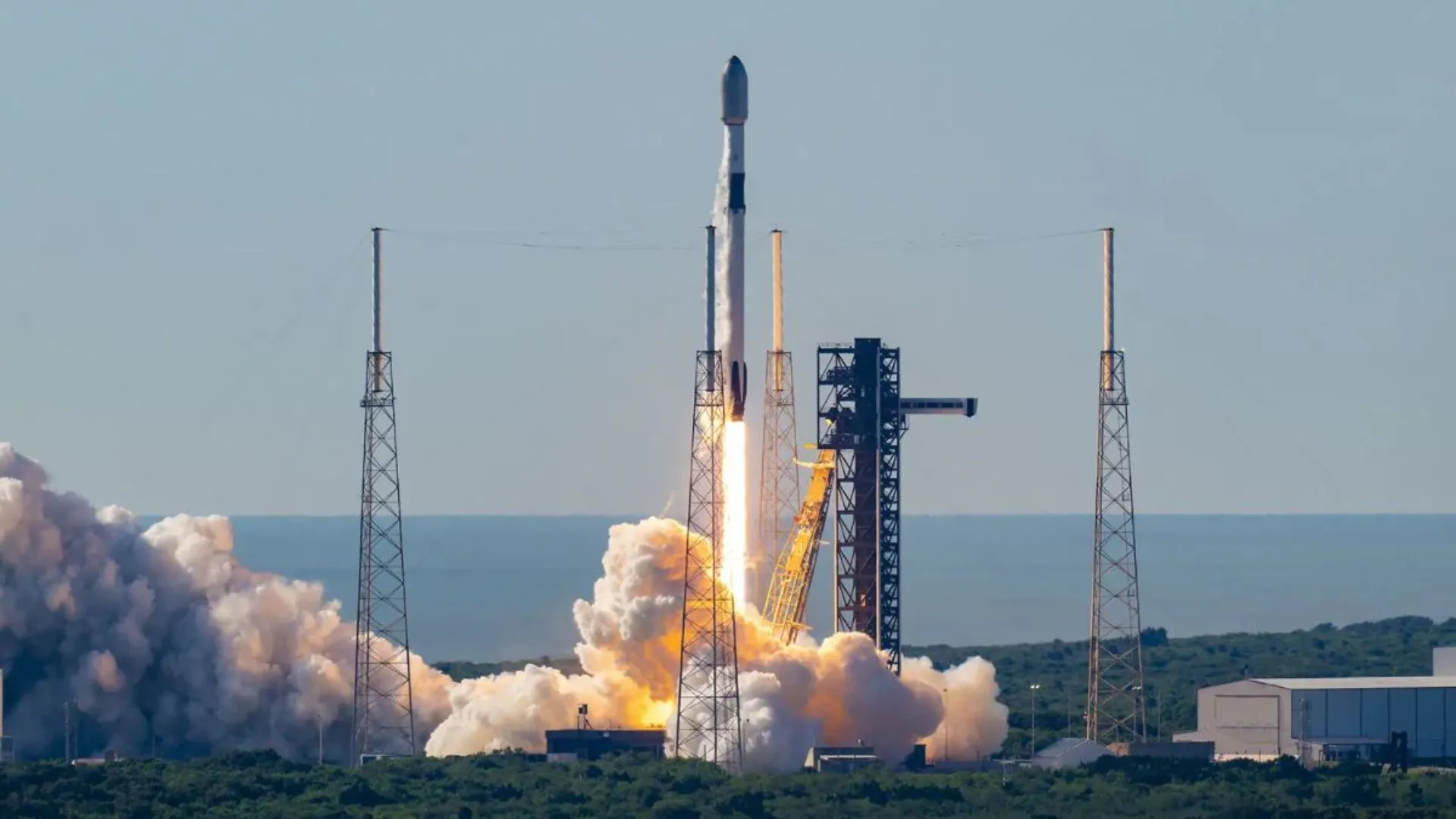
SpaceX is preparing for the launch of 24 additional Starlink satellites from Florida’s Space Coast, scheduled for Monday, November 11, at 4:02 p.m. EST (2102 GMT). Originally planned for Sunday, the launch had to be delayed due to inclement weather, which affected the recovery operation. The mission will take place at Cape Canaveral Space Force Station and will be another significant step in expanding SpaceX’s Starlink constellation, which is designed to offer global internet coverage, especially in underserved areas.

The Falcon 9 rocket will carry the 24 Starlink satellites and lift off within a four-hour window. SpaceX has indicated that the rocket’s first stage will separate and return to Earth approximately eight minutes after launch. It will perform a vertical landing on the drone ship “A Shortfall of Gravitas,” stationed in the Atlantic Ocean. This particular Falcon 9 booster will be making its 12th flight, having previously completed 11 successful missions, including five dedicated to deploying Starlink satellites.

Once the first stage has completed its re-entry and landing sequence, the upper stage will continue to carry the satellites to low Earth orbit (LEO). The deployment of the 24 satellites will occur approximately 65 minutes after launch. These satellites are part of SpaceX’s ongoing commitment to building out its Starlink network, which aims to improve internet access globally, particularly in regions where connectivity has historically been limited or unreliable.

This launch marks another chapter in SpaceX’s ambitious plan to expand the Starlink network, which now has over 6,500 active satellites in orbit. With a significant portion of Falcon 9 missions in 2024 dedicated to Starlink launches, SpaceX is rapidly expanding its global internet service. The network is not only increasing internet access in remote and rural areas but also improving connectivity in regions with limited or no service options, furthering SpaceX’s mission to connect the world
Russia Achieves Milestone with Successful Deployment of 53 Satellites into Orbit

Russia’s Record Satellite Launch Marks Milestone in Space Efforts
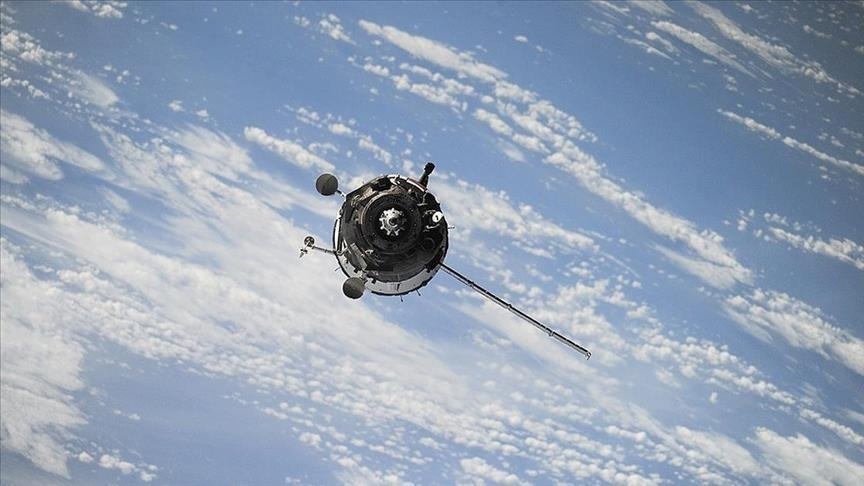
On November 4, 2024, Russia achieved a significant feat in space exploration, successfully launching 53 satellites into orbit. This record-breaking deployment, led by the Russian space agency Roscosmos, utilized a Soyuz-2.1b rocket with a Fregat upper stage. The mission lifted off from the Vostochny Cosmodrome in Russia’s Far East at 6:18 pm EST (2318 GMT or 2:18 am IST on November 5). All satellites reached their designated orbits, marking a seamless accomplishment in Russia’s ongoing efforts to strengthen its presence in the global space industry.

A Global Collaborative Effort
This mission was notable not only for its scale but also for its international collaborations. Among the 53 satellites were 49 of Russian origin, alongside a joint Russian-Chinese satellite and a Russian-Zimbabwean satellite. Additionally, two Iranian satellites joined the payload: the Kowsar imaging satellite, capable of high-resolution imagery, and the Hodhod communication satellite. While this mission set a national record for domestic satellite launches, it fell short of the global benchmark established by SpaceX in January 2021, when 143 satellites were launched in a single mission.

Advancing Ionospheric Research
Included in the payload were two Ionosfera-M satellites, designed to monitor Earth’s ionosphere. These satellites, each weighing 430 kilograms (948 pounds), aim to provide critical data on atmospheric conditions and ionospheric changes, furthering scientific understanding of space weather. Their inclusion underscores Russia’s commitment to leveraging space-based technologies for both scientific and strategic applications.

Significance for Russia’s Space Program
This launch marks the thirteenth of the year for Russia, highlighting a steady, albeit moderate, pace in its space activities compared to global leaders like the United States and China. It reflects Roscosmos’s ambition to expand its satellite infrastructure and international partnerships. With advancements like these, Russia continues to position itself as a key player in the competitive domain of satellite launches and space exploration.

Eutelsat Launches First Satellites After Merger Using SpaceX Rocket

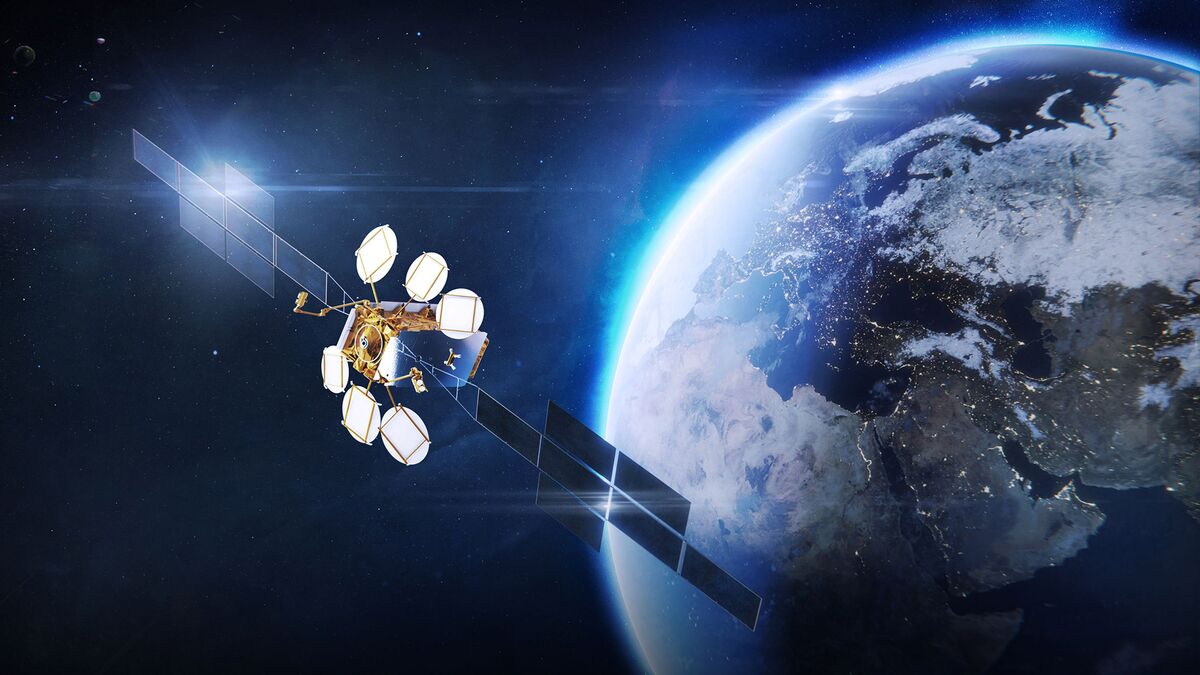
Eutelsat, the world’s third-largest satellite operator by revenue, successfully launched 20 satellites on Sunday using Elon Musk’s SpaceX Falcon 9 rocket. The launch from California’s Vandenberg Space Force Base marked the company’s first major satellite deployment since the merger of Eutelsat and Britain’s OneWeb in September last year.

Eutelsat CEO Eva Berneke expressed optimism about the launch, highlighting the company’s plan to continue deploying satellites in the coming years. The Paris-based company now operates a constellation of over 600 low Earth orbit satellites, catering to broadcasters, telecom companies, and radio stations.

“We aim to integrate more closely into the telecommunications ecosystem,” Berneke said, noting that while satellites remain a niche in the broader connectivity landscape, they play an essential role. Telecom operators, including France’s Orange and Australia’s Telstra, are among Eutelsat’s clients, with discussions ongoing with U.S. operators such as AT&T.

Eutelsat has a $4 billion backlog of orders, with expectations to expand services in markets like India and Saudi Arabia. India, a rapidly growing market expected to reach $1.9 billion by 2030, is in the process of opening up to satellite services, though it faces regulatory challenges with domestic players like Starlink. Berneke stated that Eutelsat is ready to act once India allows satellite services, with plans for immediate expansion.

Additionally, Eutelsat is exploring opportunities to provide in-flight connectivity for aviation companies, offering services like internet browsing. The company expects its revenue to grow starting next year as these projects come to fruition.