

Starlink to Lower Satellite Orbits in 2026 to Improve Space Safety
Starlink plans to begin reconfiguring its satellite constellation in 2026 by lowering all spacecraft currently orbiting at around 550 kilometres to approximately 480 kilometres, according to Michael Nicolls, vice president of Starlink engineering at SpaceX.
Nicolls said the move is aimed at enhancing space safety by operating satellites at lower altitudes, where the overall congestion of objects is significantly reduced. In a post on X, he said that condensing Starlink’s orbits would lower the aggregate risk of collisions, as there are fewer debris objects and planned satellite constellations below the 500-kilometre threshold.
The announcement follows an incident disclosed by Starlink in December, when one of its satellites experienced an anomaly in orbit. The spacecraft, operating at an altitude of about 418 kilometres, lost communications and generated a small amount of debris after what appeared to be an onboard explosion. The satellite rapidly dropped around four kilometres in altitude, marking a rare kinetic accident for the satellite internet provider.
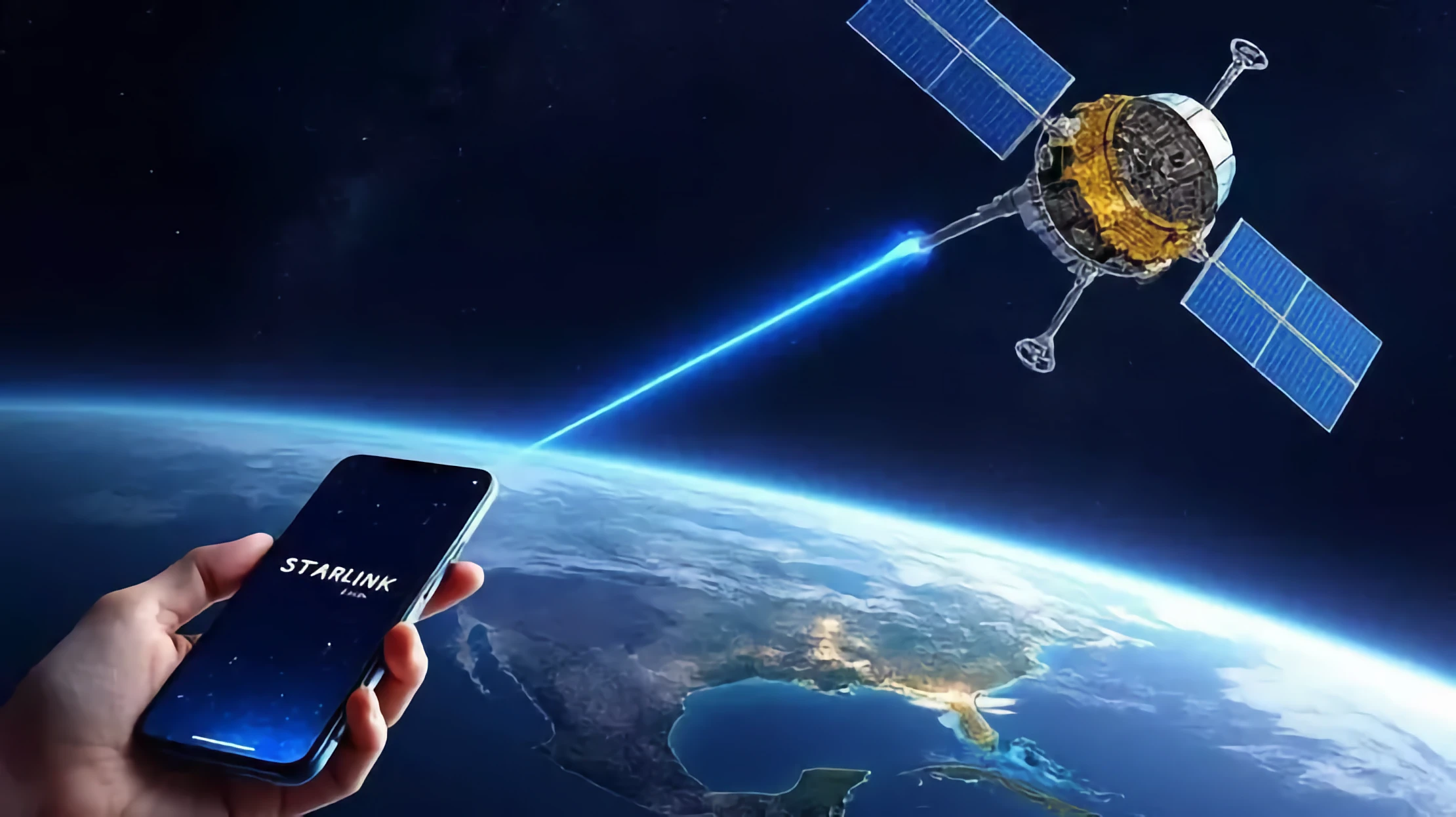
Starlink said the incident involved just one satellite out of nearly 10,000 currently in orbit as part of its global broadband network. While the amount of debris was described as limited, the event highlighted growing concerns over orbital safety as low Earth orbit becomes increasingly crowded.
The number of spacecraft circling Earth has surged in recent years as companies and governments race to deploy large satellite constellations for broadband internet, communications and Earth observation services. Once primarily known for its rocket launch business, SpaceX has become the world’s largest satellite operator through Starlink, delivering internet connectivity to consumers, governments and enterprise customers worldwide.
By lowering its satellites’ operating altitude, Starlink aims to reduce long-term debris risks and ensure that any non-functioning spacecraft naturally deorbit more quickly, contributing to safer and more sustainable use of Earth’s orbital environment.