Yazılar

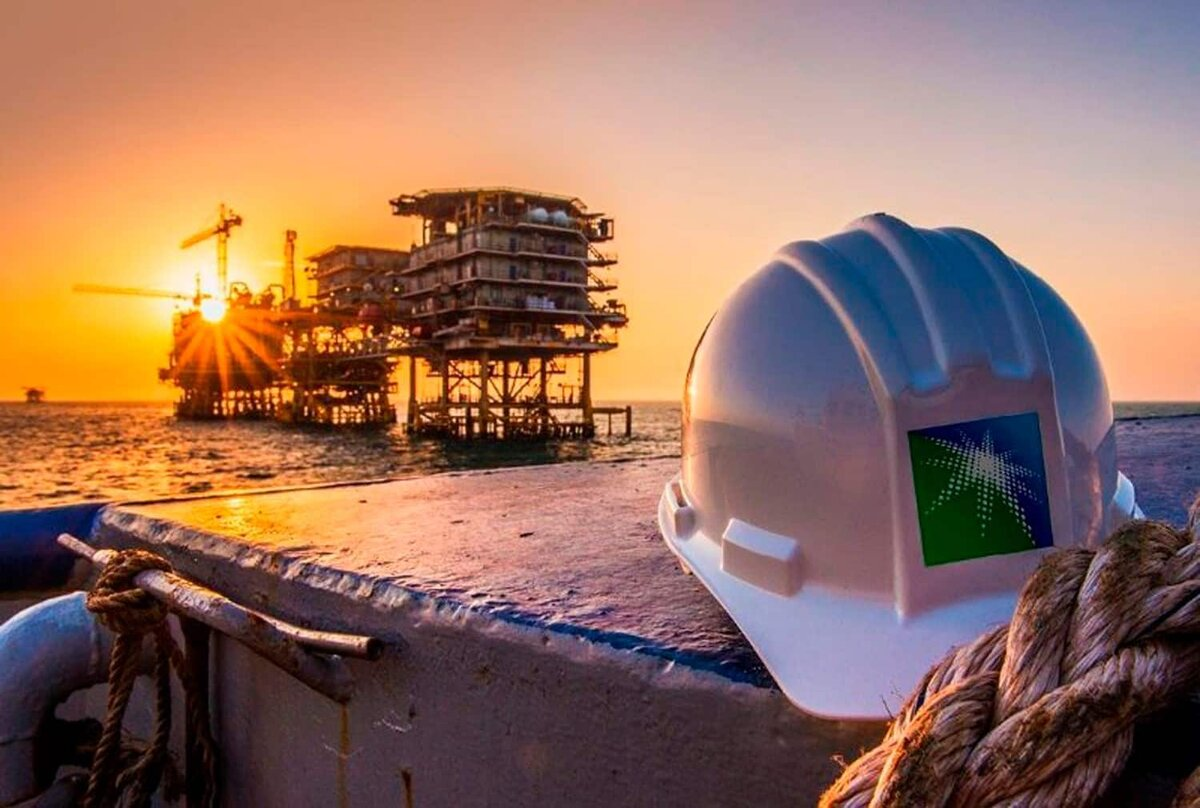
Saudi Arabia’s Fiscal Breakeven Oil Price Rises as Vision 2030 Drives Massive Spending

Saudi Arabia, the world’s largest crude oil exporter with production costs as low as $10 per barrel, is facing rising fiscal breakeven oil prices due to its ambitious Vision 2030 plans, which aim to modernize the economy and reduce dependence on oil revenue. With oil accounting for 75% of its fiscal revenue, the kingdom’s budget has become increasingly strained. The International Monetary Fund (IMF) forecasted Saudi Arabia’s breakeven oil price at $80.90 per barrel in 2023, but that figure is expected to rise to $96.20 in 2024 as the country invests heavily in major projects and prepares to host global events like the World Cup 2034 and Expo 2030. Some analysts believe the breakeven price could reach $100 or higher, including the financial demands of the kingdom’s Public Investment Fund (PIF) for multitrillion-dollar projects like NEOM. Despite the challenges, Saudi Arabia’s strong foreign currency reserves, low public debt relative to international standards, and bond market access give it flexibility to manage deficits. While risks such as potential global economic slowdowns and increasing oil supply from non-OPEC+ countries remain, the kingdom’s focus on economic diversification has shown promise, with non-oil sectors growing and job creation on the rise. The newly approved investment law is expected to further enhance foreign investment, although uncertainties surrounding global oil demand persist, especially in light of geopolitical tensions and trade wars between major economies.
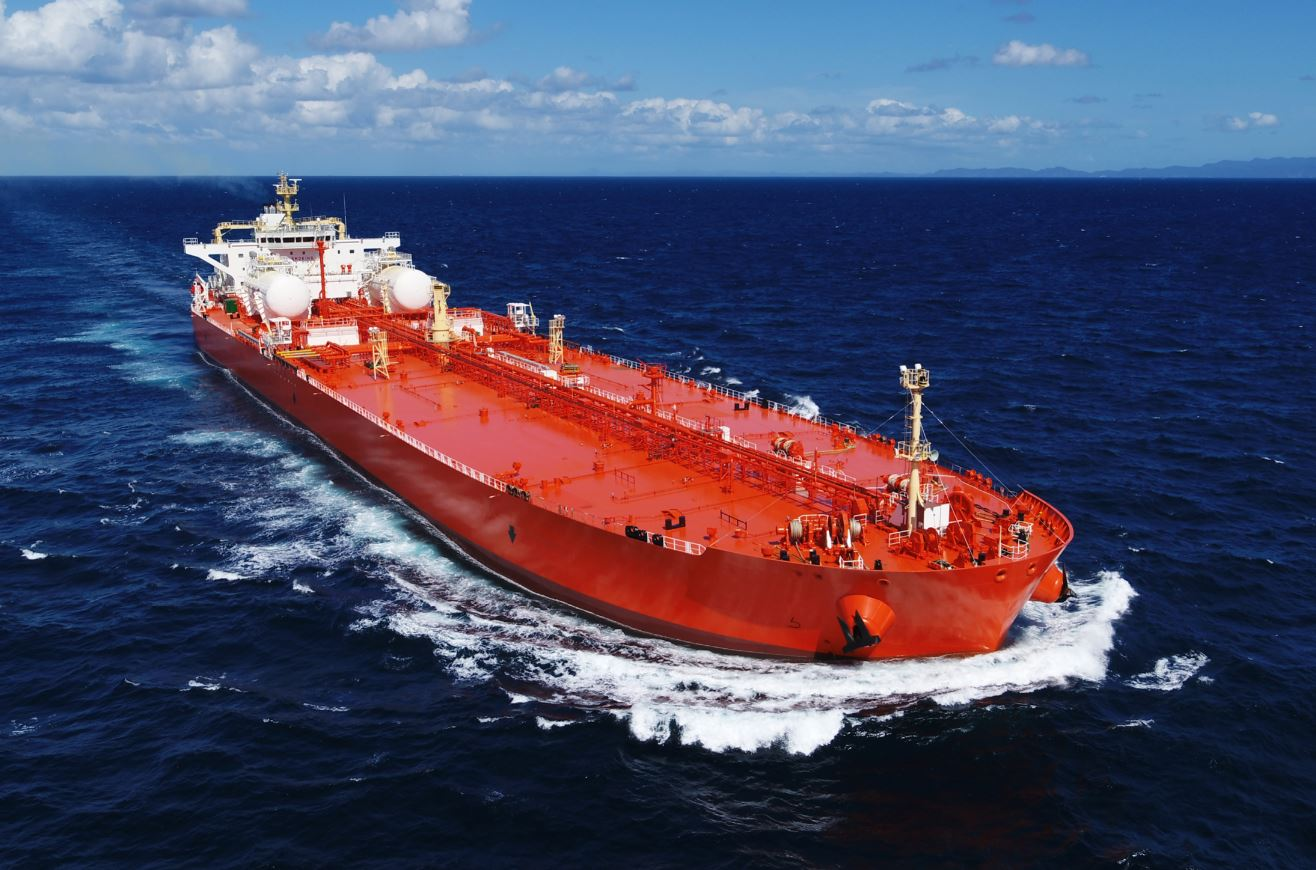
 

Houthis Launch Missile and Drone Attacks on Two Oil Tankers in Red Sea, US Military Labels Them ‘Terrorist Acts’

In a dangerous escalation, Yemen’s Houthi rebels targeted two crude oil tankers, the Saudi-flagged Amjad and the Panama-flagged Blue Lagoon I, in the Red Sea on Monday. The attacks, which the U.S. military described as “reckless acts of terrorism,” involved ballistic missiles and drones. The Houthis claimed responsibility for hitting the Blue Lagoon I with multiple missiles and drones, although they did not acknowledge the strike on the Saudi tanker.

The Amjad, laden with two million barrels of oil, and the Blue Lagoon I, carrying up to one million barrels, were attacked as they sailed near each other. Fortunately, neither vessel sustained major damage, and no casualties were reported, allowing both ships to continue their journeys.

The strikes are the latest in a series of Houthi attacks on maritime targets, which have alarmed Saudi Arabia and international maritime forces. Since November, the Houthis have intensified assaults in the region, sinking two vessels, seizing another, and killing three seafarers. The group, backed by Iran, claims to be acting in support of Palestinians amidst the ongoing conflict in Gaza.

The attacks underscore the Houthis’ growing capability to target critical shipping lanes and escalate tensions in the region, further complicating the already fragile security landscape in the Middle East. Despite the damage being minimal this time, the assaults highlight the ongoing threat to international oil shipping and regional stability posed by the conflict in Yemen.

4o