Yazılar

Scientists Unveil New Insights into Baleen Whales’ Hearing Abilities

Breakthrough Study Reveals Baleen Whales’ Ultrasonic Hearing Capabilities

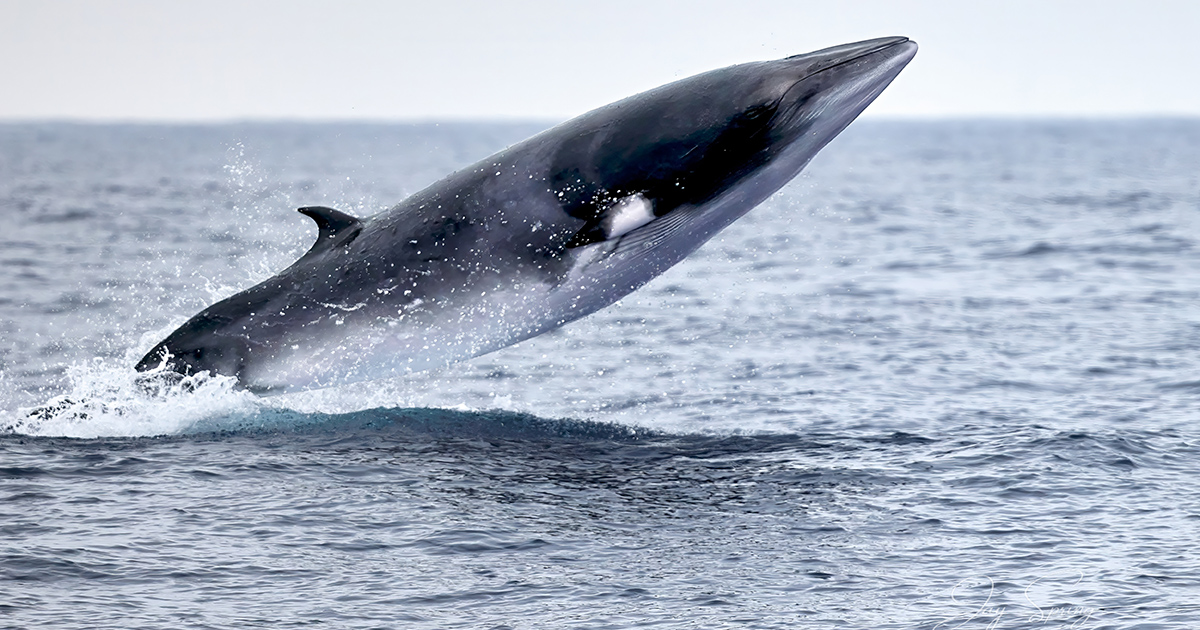
In a groundbreaking study published in Science, researchers have tested the hearing abilities of baleen whales for the first time, uncovering remarkable insights into their auditory range. The study, conducted in 2023, involved capturing two juvenile minke whales off the coast of Norway. Measuring 12 feet long and weighing approximately one ton each, the whales were fitted with gold-plated electrodes on their skin to record brain responses to various sound frequencies. The research revealed that these marine giants can detect ultrasonic frequencies far higher than previously believed, suggesting this ability might play a critical role in evading predators like killer whales.

Controversy Surrounding Research Methods The Minke Whale Hearing Project has sparked considerable debate within the marine research community. Conservation groups and scientists expressed concerns over the ethical implications of temporarily capturing the whales for testing. Organizations such as the Whale and Dolphin Conservation opposed the project, citing the stress and potential harm inflicted on the animals. In 2021, the group sent an open letter to the Norwegian government urging the study’s cancellation, arguing that non-invasive alternatives could achieve similar scientific outcomes without risking animal welfare.

Defending the Research Despite the controversy, proponents of the study emphasized its adherence to rigorous ethical and scientific standards. Brandon Southall, a marine acoustic consultant, stated that the project was conducted under strict protocols and provided invaluable data for shaping ocean noise management policies. Insights from the study are expected to inform regulations under frameworks like the Marine Mammal Protection Act, particularly as underwater noise pollution continues to impact marine ecosystems globally.

Implications for Marine Conservation The discovery that baleen whales can hear ultrasonic frequencies has significant implications for their conservation. Understanding their auditory range can help researchers better predict the impact of human-generated noise, such as shipping and industrial activities, on these animals. Additionally, the findings open new avenues for studying how whales navigate their environment and respond to threats. While the methods used remain a point of contention, the study underscores the importance of advancing marine science to protect these majestic creatures in an increasingly noisy ocean.


ISRO Secures Approval for Shukrayaan Venus Mission and Chandrayaan-4

India’s space exploration program is set to reach new heights with the Union Cabinet’s approval of two landmark missions: the Venus Orbiter Mission (VOM) and Chandrayaan-4. Nilesh Desai, Director of ISRO, confirmed the green light for these initiatives during a recent media briefing. These projects align with India’s ambitious Space Vision 2047, a roadmap designed to position the nation as a global leader in space exploration by its 100th year of independence. The missions aim to push the boundaries of planetary science and lunar exploration, while also enhancing technological capabilities in key areas such as heavy-lift launch vehicles, human-rated systems, and advanced re-entry technologies.

The Venus Orbiter Mission (VOM), scheduled for launch in March 2028, will focus on unraveling the mysteries of Earth’s neighboring planet. With a strong emphasis on Venus’s atmosphere, surface conditions, and solar interactions, the mission seeks to fill critical gaps in global Venusian data. By studying the planet’s atmospheric dynamics, surface topography, and sub-surface characteristics, the VOM is poised to contribute significantly to our understanding of Venus, often referred to as Earth’s “twin” due to its similar size and proximity.

The mission has generated significant interest within the scientific community, both in India and internationally. A total of 16 payloads from Indian research teams have been selected, alongside collaborative instruments developed in partnership with global institutions. These payloads will enable comprehensive observations, ranging from atmospheric composition and thermal properties to surface imaging and solar wind interactions. By leveraging international collaboration, VOM promises to deliver robust scientific outcomes that will advance the field of planetary science.

Meanwhile, Chandrayaan-4 aims to build on the success of India’s lunar exploration program, following in the footsteps of Chandrayaan-3’s historic soft landing near the Moon’s south pole. While specific details about Chandrayaan-4 are yet to be disclosed, it is expected to focus on advanced lunar surface studies, potentially involving a rover and technologies that pave the way for sustained exploration. Together, these missions underscore India’s commitment to scientific discovery and technological innovation, setting the stage for a new era in the nation’s space program.

Brazilian Flowers Use Pollen Catapults to Gain Edge in Pollination Competition

Brazilian Flowers Use Pollen Catapults to Outcompete Rivals in Pollination
In a fascinating study of plant-pollinator interactions, researchers have discovered that flowers of Hypenia macrantha, a species native to Brazil, employ an innovative strategy to increase their reproductive success. These flowers use a unique pollen “catapult” mechanism to boost their chances of successful pollination by effectively displacing competing pollen from visiting hummingbirds. This remarkable adaptation ensures that their pollen is more likely to be transferred to other flowers, thus outcompeting other species in the pollination process.

How the Pollen Catapult Works
The flowers of Hypenia macrantha exhibit a clever strategy for both male and female reproductive stages, alternately switching roles to prevent self-pollination. During their male phase, the flowers produce and store pollen in compartments hidden beneath their petals. When a hummingbird approaches the flower to feed on nectar, the bird’s probing activates a trigger mechanism, launching the stored pollen in a burst. This sudden release of pollen aims to displace any competing pollen already present on the bird’s beak, improving the flower’s chances of fertilization.

Experimenting with Hummingbird Skull Simulations
To observe this mechanism in action, researchers conducted experiments using hummingbird skulls coated with fluorescent particles to simulate natural conditions. High-speed footage captured the remarkable effect of the pollen launch, showing that the flower’s burst of pollen successfully displaced rival particles from the bird’s beak. The research demonstrated that when flowers were still in their male phase, the pollen launch was much more effective at removing competing pollen, further solidifying the plant’s advantage in the pollination process.

Implications for Pollination and Plant Evolution
The findings of this study offer new insights into how plants have evolved specialized strategies to ensure reproductive success in competitive environments. The use of a pollen catapult by Hypenia macrantha is a prime example of how plants can outcompete one another through sophisticated mechanisms that take advantage of animal behavior. This research not only advances our understanding of plant-pollinator dynamics but also highlights the remarkable ways in which nature adapts to ensure survival and reproduction.