Yazılar

ISS Crew Senses Toxic Odor from Russian Cargo Spacecraft, Safety Protocols Initiated

ISS Crew Responds to Toxic Smell from Russian Cargo Spacecraft, Safety Measures Activated
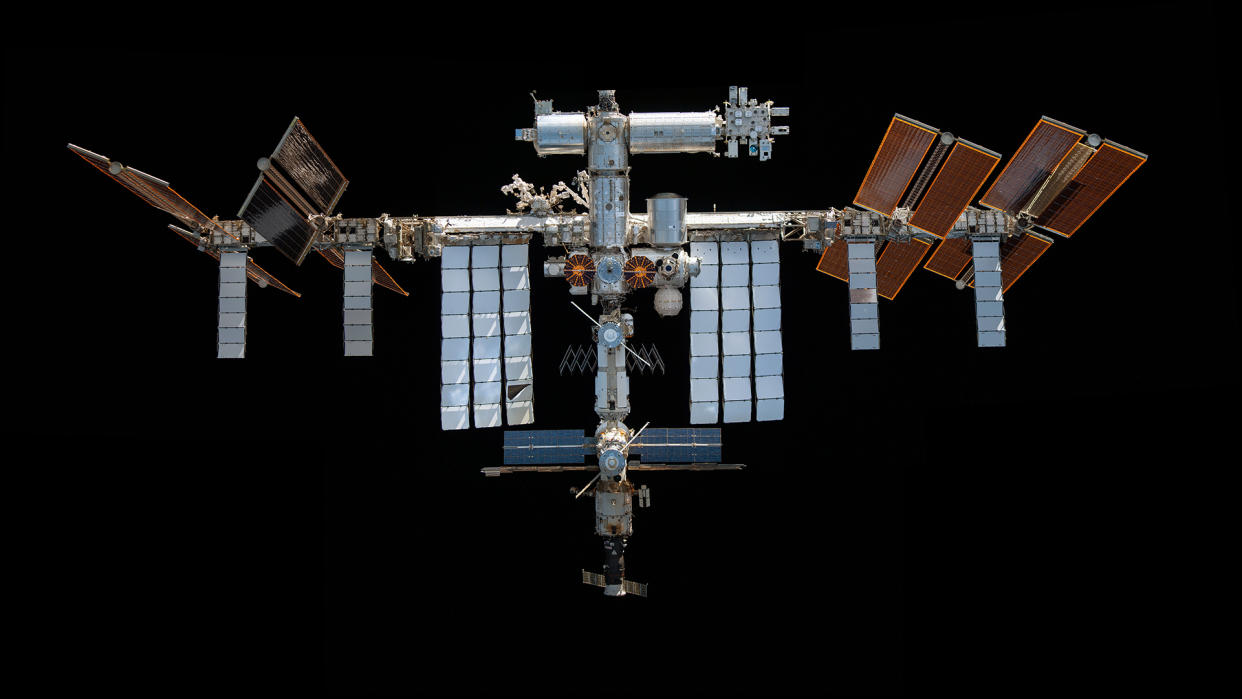
A recent incident aboard the International Space Station (ISS) raised alarms when the crew detected an unusual smell upon opening the hatch of the Russian Progress MS-29 cargo spacecraft. The spacecraft, which had successfully docked to the Poisk module, was found to emit an unexpected odor and small droplets, prompting immediate safety protocols. The crew acted swiftly to contain the affected area, ensuring the health and safety of all personnel aboard the station.

Containment and Investigation
According to a tweet from the official ISS account, the odor was described by NASA astronaut Don Pettit as “reminiscent of spray paint.” This raised concerns that the smell could indicate contamination within the Russian segment of the station. As the crew investigated further, they decided to close off the area around the spacecraft and take necessary precautions to prevent any harmful exposure. The detection of visible droplets in the spacecraft added to the urgency of the situation.

Safety Protocols and Air Purification
In response to the potential contamination, NASA and Roscosmos activated air purification systems to mitigate any risks. The American segment of the ISS deployed its Trace Contaminant Control Subassembly (TCCS), while additional filtration systems in the Russian module worked to restore air quality. The ISS team also ensured that all crew members were equipped with personal protective equipment (PPE) to safeguard them from any potential toxins or irritants in the environment.

Ongoing Monitoring and Return to Normal Operations
While the exact source of the odor remains under investigation, the situation was quickly brought under control, with air quality returning to safe levels. NASA and Roscosmos will continue to monitor the environment aboard the ISS to prevent any further issues. This incident highlights the rigorous safety measures in place to protect astronauts while operating in the unique and challenging conditions of space.
NASA’s Europa Clipper Progresses Toward Jupiter’s Moon with Instruments Fully Deployed

NASA’s Europa Clipper Progresses Toward Studying Jupiter’s Icy Moon
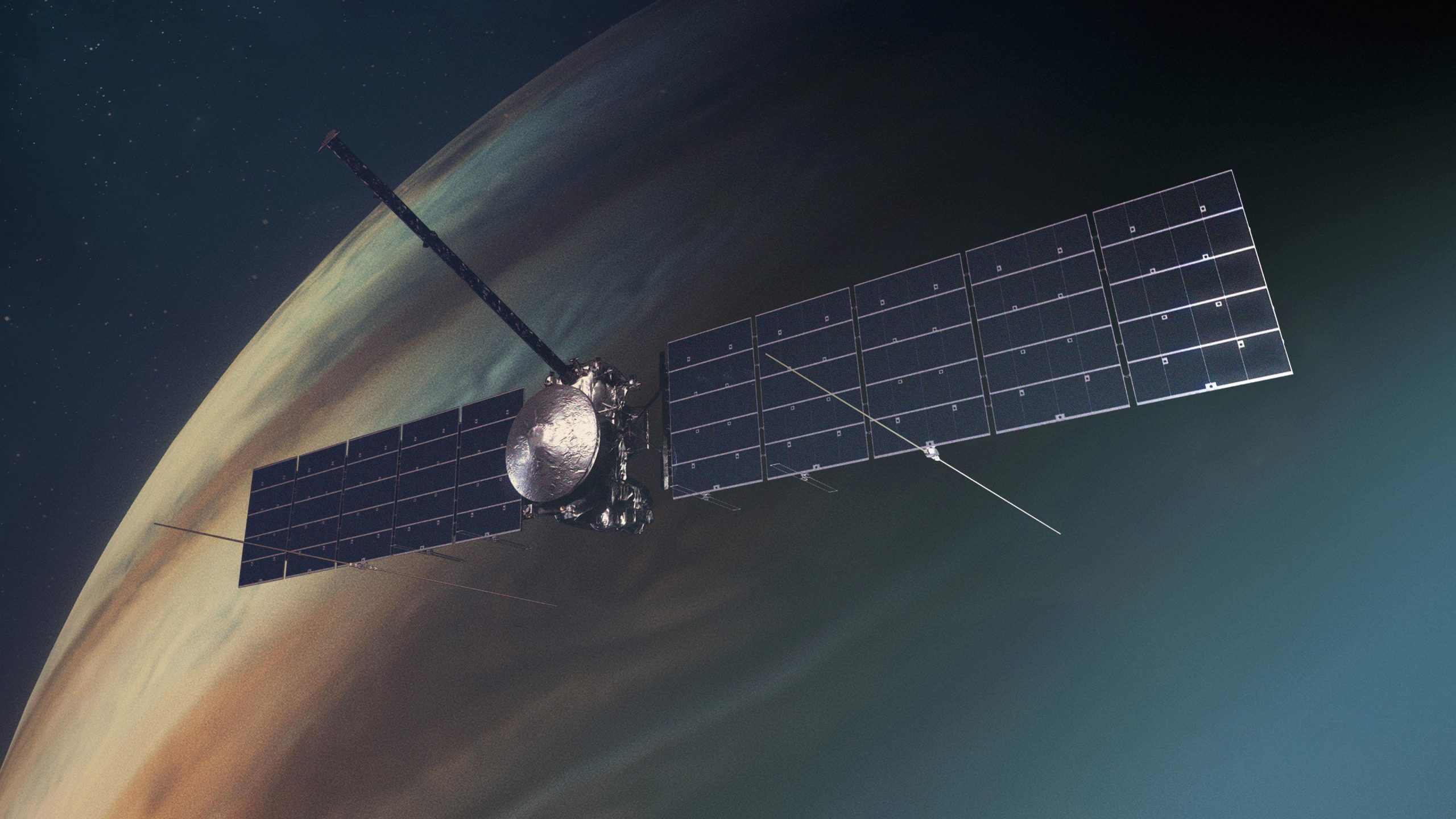
NASA’s Europa Clipper spacecraft, launched on October 14, 2024, has already covered over 13 million miles from Earth, speeding through space at 35 kilometers per second. This ambitious mission, aimed at studying Jupiter’s icy moon Europa, is set to reach the Jupiter system in 2030. Once there, the spacecraft will conduct 49 close flybys of Europa, gathering data to explore the moon’s subsurface ocean and evaluate its potential to harbor life. The mission is a pivotal step in unraveling the mysteries of one of the solar system’s most intriguing moons.

Successful Deployment of Instruments
Following its launch aboard a SpaceX Falcon Heavy rocket, the Europa Clipper successfully deployed its massive solar arrays, which span the length of a basketball court. This deployment ensures the spacecraft has sufficient power to carry out its operations in the dim environment of the outer solar system. NASA also confirmed the extension of the magnetometer boom, an 8.5-meter-long instrument designed to measure Europa’s magnetic field. This tool is critical for analyzing the depth and salinity of the subsurface ocean believed to exist beneath Europa’s icy crust.

Advanced Tools to Study Europa’s Ice Shell
The spacecraft has also deployed a suite of radar antennas, essential for probing Europa’s thick ice layer. These instruments will provide high-resolution data about the moon’s surface and help identify potential pathways for water exchange between the ocean and the surface. Jordan Evans, project manager at NASA’s Jet Propulsion Laboratory, highlighted that these successful deployments mark a significant milestone, demonstrating the spacecraft’s readiness for the complex tasks it will undertake upon arrival.

Anticipation Builds for 2030 Arrival
As the spacecraft continues its journey, scientists are eagerly preparing for the groundbreaking data it is expected to deliver. Europa Clipper’s findings could revolutionize our understanding of extraterrestrial oceans and the conditions required for life. By exploring Europa’s magnetic field, ice composition, and potential water plumes, the mission aims to provide the clearest picture yet of this enigmatic moon’s habitability. The successful early operations of the spacecraft bolster confidence in its capability to achieve these ambitious goals.

Unusual Plasma Density May Explain Zebra Patterns in Crab Nebula’s Pulsars

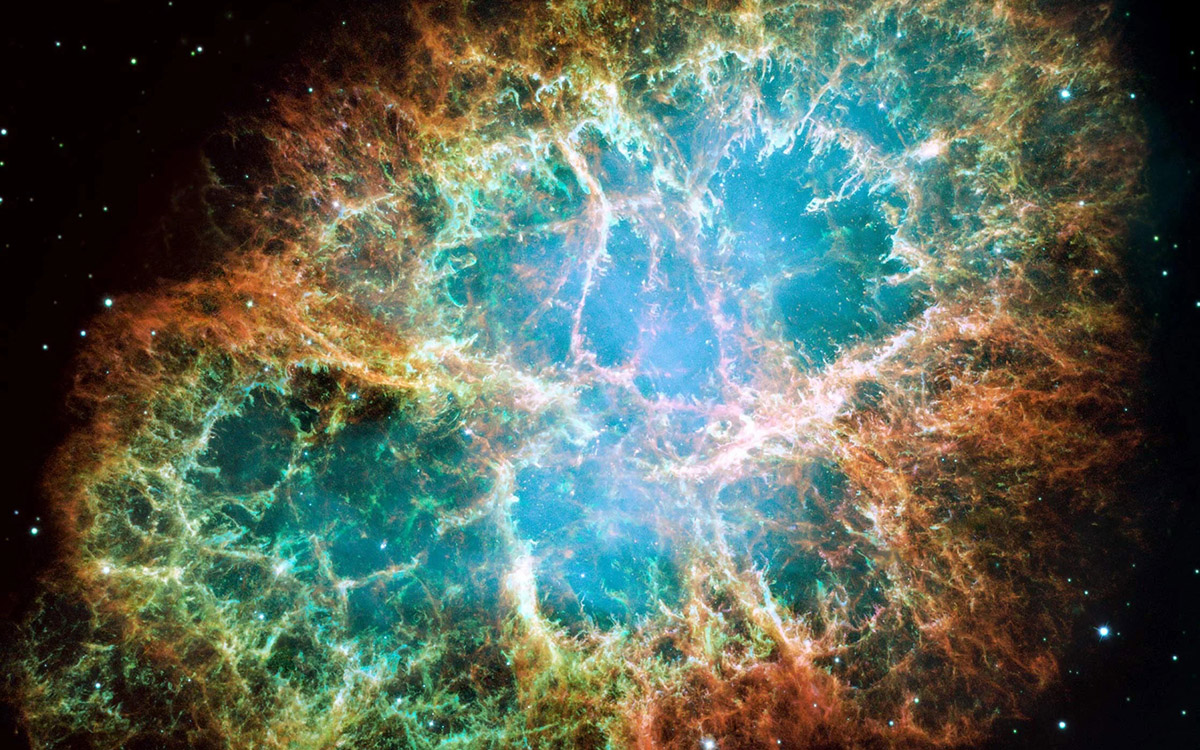
Researchers have proposed a groundbreaking explanation for the enigmatic zebra-like radiation pattern emitted by the Crab Pulsar, a neutron star nestled 6,000 light-years away at the heart of the Crab Nebula. This pulsar, born from the remnants of a supernova explosion recorded in 1054, has long fascinated scientists due to its high-frequency emissions, which stand out among the broader population of pulsars.

A recent study, published in Physical Review Letters on November 15, sheds light on this phenomenon. The zebra-like radiation, characterized by distinctive spectral stripes, was analyzed by physicist Mikhail Medvedev from the University of Kansas. Medvedev’s research offers a new perspective on the unique patterns observed in the pulsar’s emission, paving the way for deeper insights into the behavior of neutron stars.

According to the study, the zebra-like effect arises from the diffraction of electromagnetic waves within the pulsar’s magnetosphere, a region dominated by intense magnetic fields and plasma. As the pulsar spins, its radiation beams sweep across space like a cosmic lighthouse, with the diffraction caused by the plasma introducing the characteristic striped patterns. These findings highlight the critical role of plasma density and magnetospheric dynamics in shaping the observed emissions.

The discovery not only enhances our understanding of the Crab Pulsar but also provides a framework for studying similar phenomena in other extreme astrophysical environments. By revealing how plasma interacts with electromagnetic waves in such conditions, the research contributes to broader efforts to decode the mysteries of pulsars and the fundamental physics governing their behavior.