Yazılar

NASA Satellites Show Decline in Freshwater Reserves Amid Ongoing Global Droughts and Warming

NASA Satellites Reveal Alarming Decline in Freshwater Reserves Amid Global Climate Challenges

Data from NASA’s Gravity Recovery and Climate Experiment (GRACE) satellites has revealed a concerning trend: Earth’s freshwater supplies have been significantly declining since May 2014. Published in Surveys in Geophysics, the findings show a marked shift in global water availability, underscoring the impact of prolonged droughts and rising temperatures. The research, conducted by an international team of scientists, highlights that freshwater reserves are persistently below average, indicating a drier phase for the planet that shows little sign of abating.

Global Freshwater Reserves Drop Significantly

The GRACE mission, a collaboration between NASA and German research institutions, tracked global freshwater reserves from 2015 to 2023, finding a reduction of approximately 1,200 cubic kilometers. To put this into perspective, this amount of water is about two-and-a-half times the volume of Lake Erie, one of the largest freshwater lakes in the world. The GRACE satellites measured not only surface water but also groundwater and other freshwater sources, providing a comprehensive view of the planet’s water reserves.

Impact of Drier Conditions on Water Availability

Matt Rodell, a hydrologist at NASA’s Goddard Space Flight Center, noted that the data points to a significant departure from the pre-2014 water availability averages. This shift is indicative of a continuing trend of global freshwater scarcity, exacerbated by ongoing climate change. As droughts become more frequent and intense, many regions are facing challenges in securing reliable water sources for both drinking and agricultural use.

Addressing the Freshwater Crisis

The ongoing decline in freshwater reserves presents a serious challenge for governments, industries, and communities around the world. While the GRACE satellite data offers crucial insight into the state of global water resources, it also underscores the urgent need for sustainable water management and climate change mitigation strategies. With global temperatures continuing to rise, the pressure on freshwater systems is expected to grow, making it more vital than ever to implement solutions that can help preserve and replenish these critical resources.
SpaceX to Deploy 23 Additional Starlink Satellites with Falcon 9 Launch from Florida

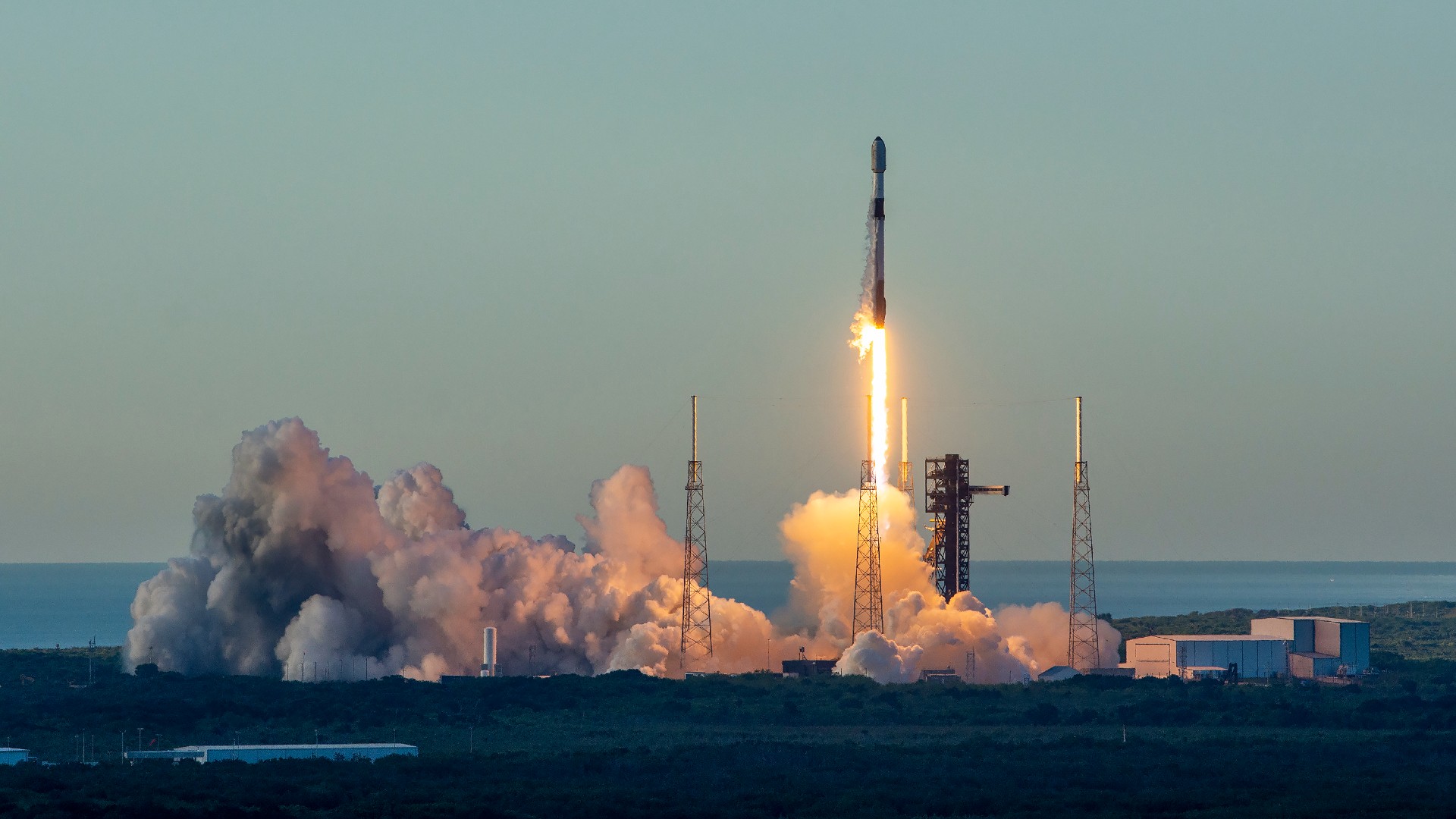
SpaceX is set to launch 23 additional Starlink satellites from Cape Canaveral Space Force Station in Florida. The liftoff of the Falcon 9 rocket is scheduled for 4:35 a.m. EST within a 3.5-hour launch window. This mission is part of SpaceX’s ongoing effort to expand its global Starlink network, which provides high-speed internet access to underserved regions. Among the satellites, 12 will feature direct-to-smartphone technology, offering a significant enhancement to the capabilities of the Starlink service.

The launch will be broadcast live by SpaceX on X, with coverage beginning approximately five minutes before the scheduled liftoff. If the launch proceeds as planned, the Falcon 9’s first stage will return to Earth about eight minutes after takeoff. The rocket will land on the droneship Just Read the Instructions, stationed in the Atlantic Ocean. This mission will be the 13th flight and successful landing for the booster, which has already completed six other Starlink missions, further proving the reusability of SpaceX’s rocket technology.

Following liftoff, the Falcon 9’s upper stage will continue its ascent, preparing to deploy the 23 satellites into low Earth orbit. The deployment is expected to take place approximately 65 minutes after launch. These new satellites will contribute to the rapid expansion of the Starlink constellation, which already boasts over 6,600 active satellites. This growing network is essential for SpaceX’s goal of providing fast, reliable internet coverage worldwide, including in remote and rural areas where traditional broadband infrastructure is lacking.

With each launch, SpaceX moves closer to achieving its ambitious goal of a global satellite internet network. The addition of these 23 satellites will enhance Starlink’s coverage and capacity, ensuring that more people around the world can access the internet, regardless of their location. As SpaceX continues to deploy more satellites, the Starlink constellation is poised to play a key role in bridging the digital divide and transforming the way we connect to the internet.

Blue Origin’s NS-28 Mission Marks Milestone with 100th Woman in Space and Successful Landing

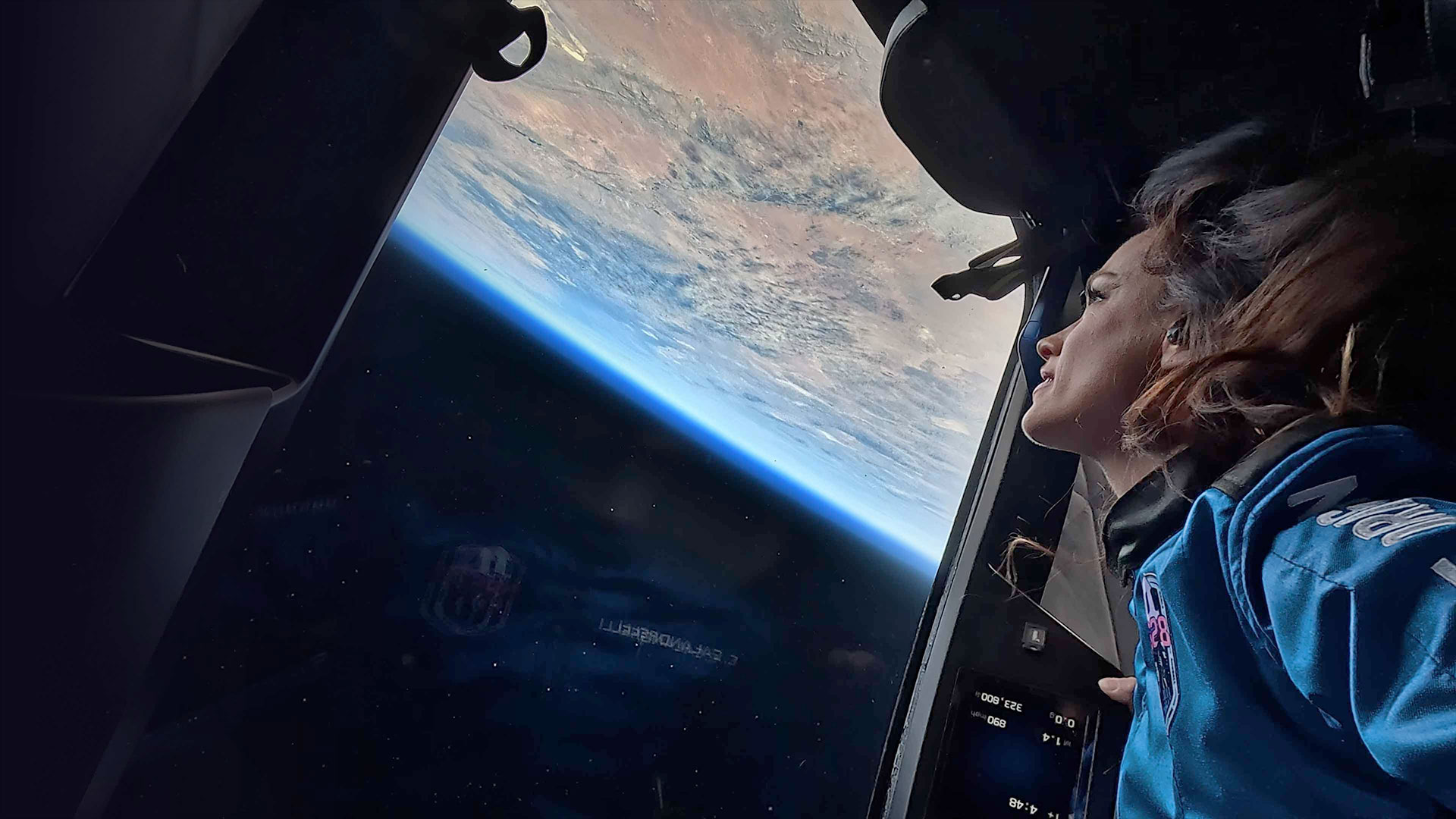
Emily Calandrelli made history as the 100th woman to travel to space. The momentous occasion occurred aboard Blue Origin’s New Shepard rocket, launching from the company’s West Texas facility. The suborbital flight reached an altitude of 106 kilometers, surpassing the Kármán line and officially entering space. This milestone was part of Blue Origin’s ongoing effort to make space travel more accessible to civilians, and it carried six passengers, marking the company’s ninth human spaceflight.

Calandrelli’s flight was not only a personal achievement but also a significant moment for the broader scientific community. The mission lasted about ten minutes, during which the passengers experienced approximately four minutes of weightlessness. Alongside Calandrelli, the passengers included Marc and Sharon Hagle, a couple returning for their second spaceflight with Blue Origin; Austin Litteral, who won a seat through Whatnot, a livestream shopping platform; former game warden J.D. Russell; and Canadian CEO Hank Wolfond. Their collective journey underscores the growing trend of private space tourism, where people from all walks of life can now experience space firsthand.

As a strong advocate for STEM education, Calandrelli has long been a role model for young women aspiring to careers in science, technology, engineering, and mathematics. Known as “The Space Gal” on social media, she has dedicated much of her career to inspiring the next generation of women in aerospace. Calandrelli’s journey to space was the realization of a dream she had been working toward for years, fueled by her background in aerospace engineering. In her own words, her flight was a step toward greater representation of women in space, inspiring young girls to follow in her footsteps.

One of the most meaningful moments for Calandrelli on her flight was the inclusion of a photo montage featuring the 99 women who had flown in space before her. She carried this tribute with her as a token of appreciation for the trailblazers who paved the way for future generations. As the 100th woman to reach space, Emily Calandrelli’s historic mission symbolizes both personal achievement and a larger cultural shift toward greater gender equality in the exploration of space.