
Yazılar

Rwanda Faces Marburg Virus Outbreak: Understanding the Spread, Symptoms, and Global Implications

Rwanda is currently grappling with its first outbreak of the Marburg virus, a highly infectious pathogen that is closely related to Ebola. Since its identification in September, the virus has tragically claimed the lives of 11 individuals. In response to this health crisis, Rwanda’s Health Minister, Sabin Nsanzimana, has announced that the government is taking proactive measures to contain the outbreak, including initiating clinical trials for experimental vaccines and treatments. The Marburg virus is known to cause severe hemorrhagic fever, with symptoms typically manifesting between two to 21 days after infection. In fatal cases, internal bleeding can develop within five to seven days of the onset of symptoms, leading to a high mortality rate.

Understanding the nature of the Marburg virus is essential in combating this outbreak. Classified within the Filoviridae family, the Marburg virus is often regarded as more virulent than Ebola, with the World Health Organization (WHO) estimating fatality rates that can range from 24% to 88%. The virus was first discovered in 1967 during simultaneous outbreaks in Marburg, Germany, and Belgrade, Serbia. Its primary transmission route involves fruit bats, particularly those residing in caves or mines. Once the virus has infected a human, it can spread rapidly through direct contact with bodily fluids, making it imperative to implement stringent infection control measures.

As of now, Rwanda’s Ministry of Health has reported a total of 36 confirmed cases, with 25 individuals currently isolated to prevent further transmission. Alarmingly, the outbreak has disproportionately affected healthcare workers, with approximately 70% of the cases occurring in just two medical facilities. Experts, including global health professor Amira Roess from George Mason University, have pointed out that this situation reflects inadequate infection control practices, particularly in under-resourced healthcare settings. The government is also closely monitoring around 300 individuals who have been in contact with confirmed cases, emphasizing the need for thorough tracking and containment efforts.

The Marburg virus outbreak in Rwanda has raised significant global health concerns, particularly in light of the ongoing challenges posed by infectious diseases. As the situation unfolds, the international community is closely watching Rwanda’s response and the effectiveness of the clinical trials for potential vaccines and treatments. This outbreak serves as a critical reminder of the importance of robust public health infrastructure, prompt response to emerging pathogens, and global cooperation in the face of infectious disease threats. As Rwanda works to contain the spread of the Marburg virus, the lessons learned from this outbreak could inform future preparedness efforts both nationally and globally.
Mayonnaise Offers Surprising Insights into Nuclear Fusion Dynamics

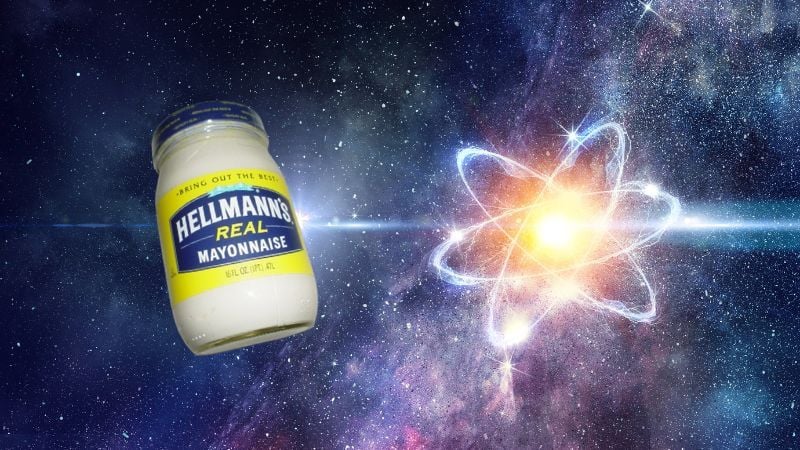
Mayonnaise, commonly known as a beloved condiment for sandwiches, is unexpectedly finding its way into scientific research as a tool for studying nuclear fusion. The unique behavior of mayonnaise—shifting from elastic to plastic under different conditions—provides valuable insights into how materials react under the extreme environments necessary for fusion. When gently jiggled, mayonnaise behaves elastically, returning to its original shape like an elastic band. However, when subjected to more forceful movement, it exhibits plastic behavior, permanently altering its shape. This fascinating property of mayonnaise offers a simplified model for understanding complex material dynamics in fusion reactions.

Nuclear fusion itself is a process that involves merging lightweight atoms to release energy, a reaction that requires precise control and understanding of the materials involved. Scientists are working to ignite fusion reactions that produce more energy than they consume, aiming for a breakthrough that could lead to clean and virtually limitless energy. In a landmark achievement last December, researchers at Lawrence Livermore National Laboratory in California successfully fired 192 lasers at a small fuel chamber, resulting in fusion reactions that yielded surplus energy. This breakthrough demonstrates the potential of nuclear fusion as a viable energy source, but it also highlights the complexities involved in material behavior during such reactions.

One of the critical challenges faced by researchers in fusion experiments is studying material behavior under the extreme conditions present during the fusion process. The fuel capsule, which contains the gaseous fuel necessary for fusion, behaves similarly to mayonnaise when subjected to heat. As the capsule heats up and begins to melt, it transitions from an elastic state to a plastic one. If this transition occurs too soon, it can lead to the escape of gas, significantly hindering the fusion process. Understanding these transitions is crucial for ensuring that fusion reactions can be controlled and sustained.

The use of mayonnaise as a model for studying these material dynamics is a testament to the innovative approaches scientists are taking in the field of nuclear fusion research. By exploring the parallels between everyday substances and complex scientific phenomena, researchers are gaining new insights that could help overcome the challenges associated with achieving successful fusion reactions. As the quest for clean energy continues, the unexpected role of mayonnaise serves as a reminder of the creative thinking that drives scientific advancement. Through such interdisciplinary connections, we may be closer to unlocking the potential of nuclear fusion as a transformative energy source for the future.

India Makes Strides in Deep-Sea Mining: Varaha-3 Successfully Collects Polymetallic Nodules

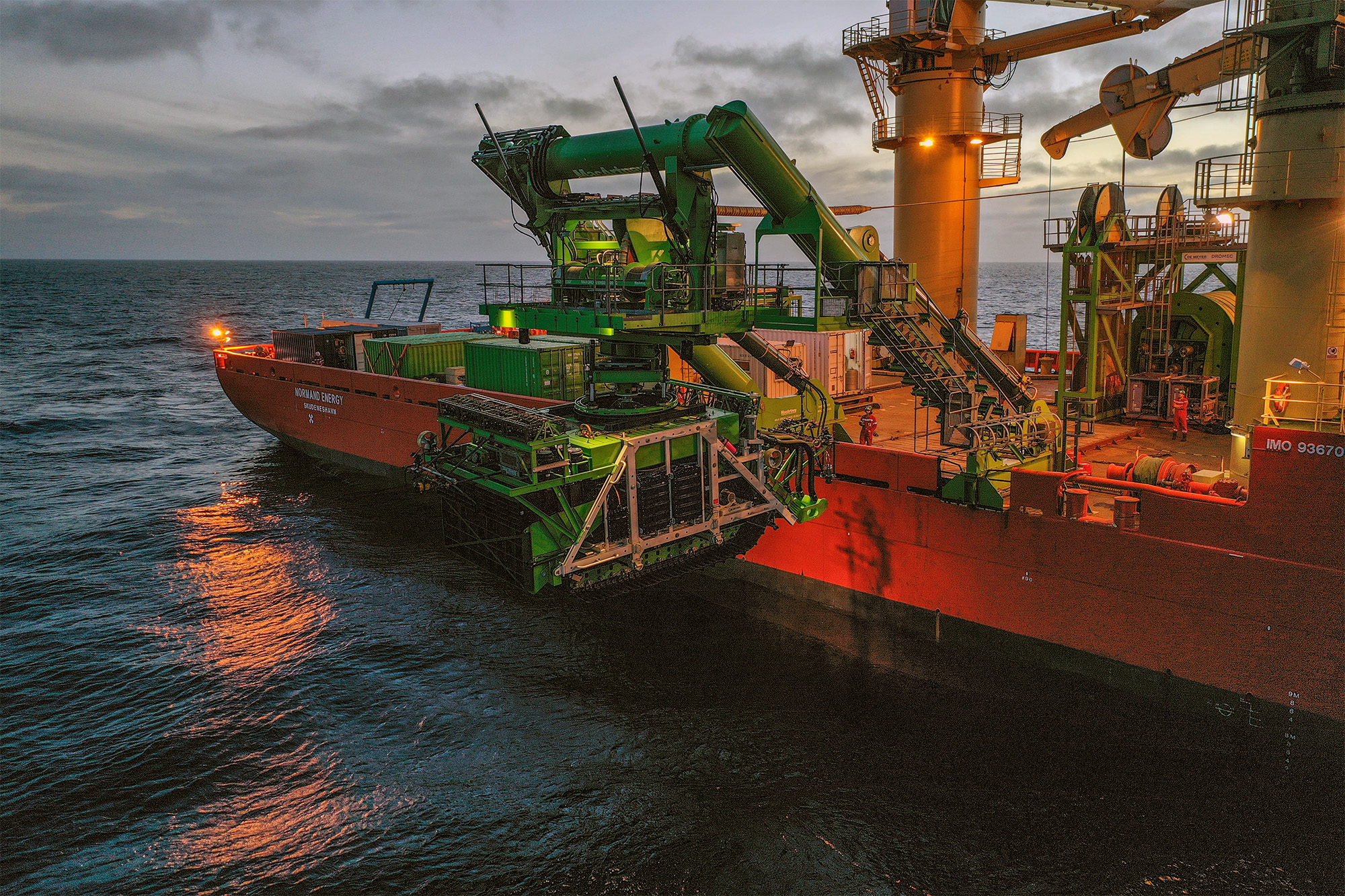
The National Institute of Ocean Technology (NIOT) has recently initiated significant exploratory trials in the Andaman Sea with the Varaha-3, a specialized seabed mining machine. Conducted at a depth of 1,193 meters, these trials represent India’s commitment to responsibly explore and harness ocean resources. The Geological Survey of India previously assessed the trial locations, identifying them as promising sites for valuable mineral resources, particularly polymetallic nodules, which are crucial for various technological applications.

During the trials, Varaha-3 demonstrated its capabilities by successfully collecting polymetallic nodules ranging from 60 to 120 mm in size. These nodules are rich in essential metals such as nickel, cobalt, and copper, all of which are increasingly important for industries focused on renewable energy and electric vehicle production. The ability to gather these resources effectively marks a significant advancement in India’s deep-sea mining capabilities, paving the way for future exploration and resource extraction initiatives.

Central to this effort is a strong emphasis on sustainable practices, reflecting India’s commitment to responsible ocean resource management. The design of Varaha-3 prioritizes efficiency while minimizing environmental impact, ensuring that the delicate marine ecosystem is preserved even as valuable resources are extracted. As part of the broader Deep Ocean Mission, the Indian government has made considerable investments in developing advanced technologies for deep-sea exploration, indicating a strategic approach to tapping into the ocean’s potential.

Looking ahead, the successful trials using Varaha-3 could open new avenues for resource extraction while fostering international collaboration in ocean science and technology. With the increasing demand for critical metals, especially in the context of global efforts to transition to renewable energy, India’s advancements in deep-sea mining are timely and relevant. As the nation continues to explore its ocean resources, the focus remains on balancing economic growth with environmental stewardship, ensuring a sustainable future for both industry and the marine environment.