Yazılar

Discovery of Head of Ancient Car-Sized Millipede Provides Insights into Evolutionary Mysteries

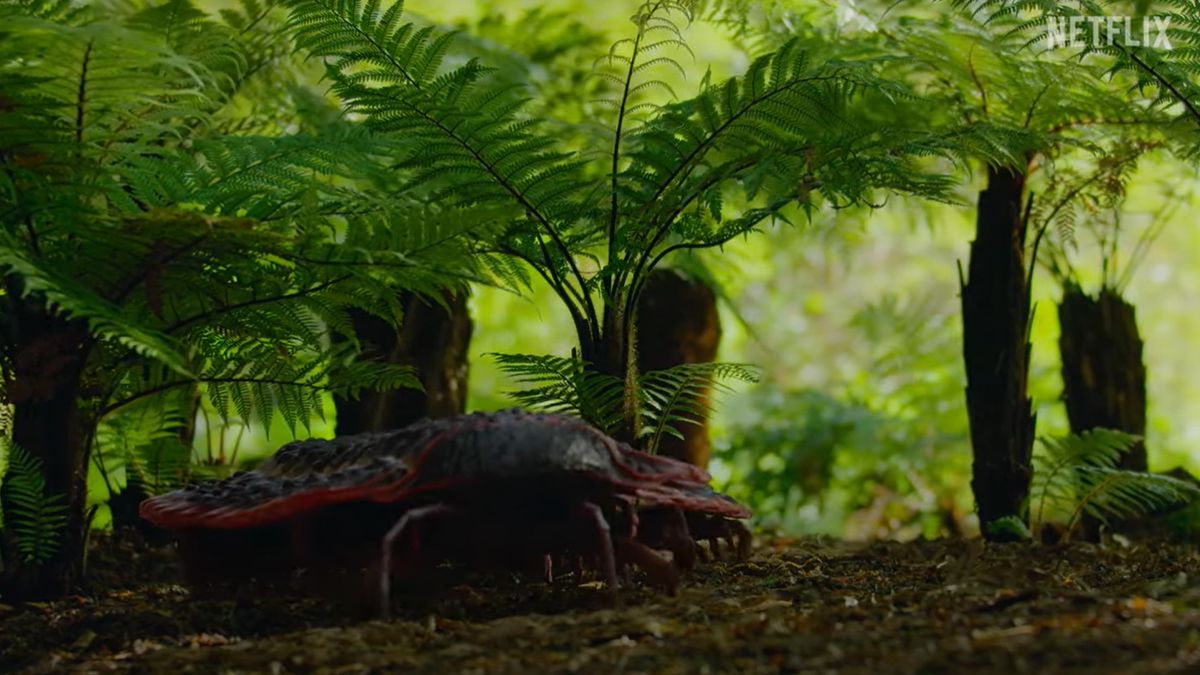
A remarkable fossil has been unearthed, revealing the head of Arthropleura, a gigantic millipede-like arthropod that roamed the Earth approximately 346 to 290 million years ago. This creature was one of the largest arthropods ever recorded, measuring up to 8.5 feet (2.6 meters) in length. The discovery, made in Montceau-les-Mines, France, marks the first time the head of Arthropleura has been found and sheds light on the longstanding evolutionary questions surrounding this ancient organism. Mickaël Lheritier, a paleontologist at Claude Bernard Lyon 1 University, emphasized the importance of this find, particularly the new insights it provides into the creature’s anatomical features.

The fossil comprises two juvenile specimens of Arthropleura, meticulously preserved in rock. Researchers utilized advanced CT scanning technology to examine the fossils, revealing distinctive features such as stalked eyes and mandibles reminiscent of those found in centipedes. These characteristics had perplexed scientists for years, as Arthropleura exhibited traits common to both millipedes and centipedes. The new evidence offers a clearer understanding of where Arthropleura fits within the complex arthropod family tree, bridging gaps in our knowledge of its evolutionary history.

The unique features of the newly discovered head provide valuable insights into the life cycle of Arthropleura. The presence of stalked eyes is particularly intriguing, as such adaptations are typically associated with aquatic species rather than terrestrial arthropods. This has led researchers to propose that juvenile Arthropleura may have been semi-aquatic, potentially spending part of their early lives in water before transitioning to a land-based existence as adults. This revelation adds a fascinating layer to our understanding of how these ancient creatures adapted to their environments.

Overall, this discovery not only enriches our knowledge of Arthropleura but also enhances our comprehension of the evolutionary trajectories of ancient arthropods. By piecing together the anatomical features and possible life habits of Arthropleura, scientists are beginning to unravel the mysteries of prehistoric ecosystems and the diverse forms of life that inhabited them. As research continues, this fossil could pave the way for further exploration into the evolutionary links between ancient and modern arthropods, opening new avenues in the study of life’s history on Earth.
Evidence of Human Sacrifice Uncovered in Ancient Siberian Burial Mound: New Study Reveals Findings

In a significant archaeological discovery, researchers have uncovered a 2,800-year-old burial mound in southern Siberia’s Tuva region, shedding light on the ancient practices of early Scythian society. This kurgan, or burial mound, is believed to belong to a high-ranking individual, buried alongside a sacrificial human and 18 horses—an elaborate ritual suggesting the importance of the deceased within their community. The findings represent one of the earliest known instances of such burial practices, dating back to the transitional period between the Bronze and Iron Ages. This discovery adds valuable context to the funerary customs of the Scythians, a nomadic people known for their distinct ritualistic practices, which often included human and animal sacrifices to honor the dead.

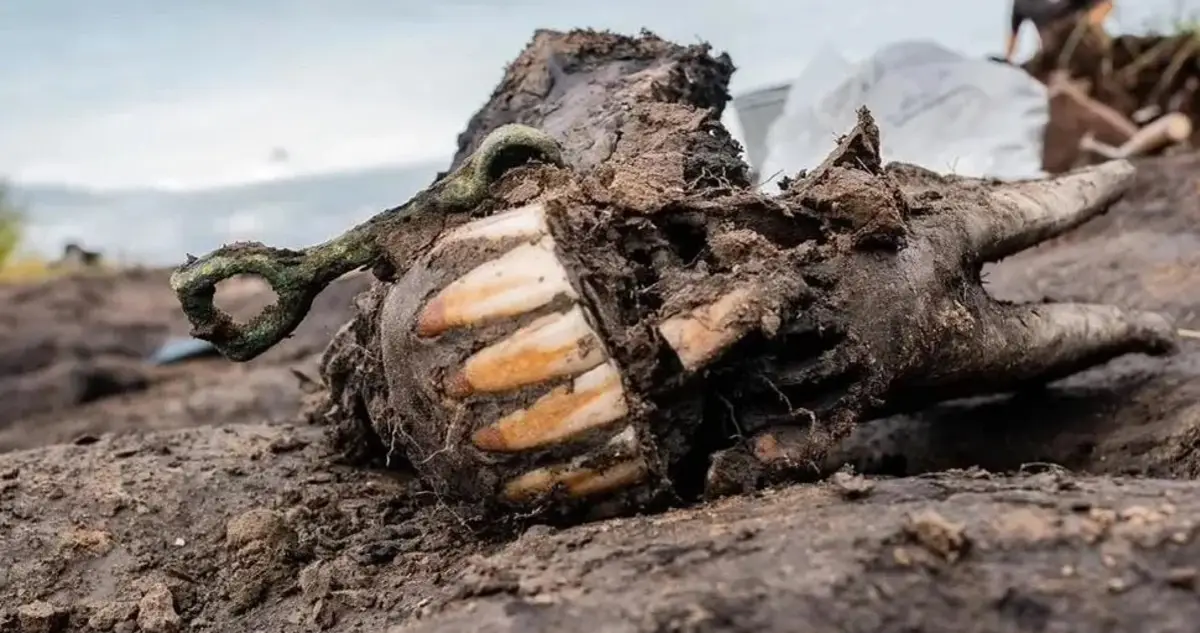
The Scythian burial practices evidenced in this kurgan offer insight into the social hierarchy and belief systems of the time. Known as the “Siberian Valley of the Kings,” the area where the mound was found contains numerous burial sites thought to be associated with elite members of ancient societies. The presence of sacrificial horses—many with brass bits still in their mouths—points to the Scythians’ reverence for equestrian culture and the role horses played both in life and in death. This inclusion of equine remains, with evidence of harnesses and bits, also suggests a strong symbolic meaning associated with horses, reinforcing their importance in Scythian life and afterlife traditions.

Further analysis of the kurgan’s artefacts and construction methods suggests a deep connection to early Scythian traditions. The mound contains animal-themed decorations, which are frequently associated with Scythian art and iconography. These artifacts, combined with the sacrificial elements of the burial, indicate that the Scythians’ influence may have originated in this region before spreading westward into the Eurasian Steppe. According to a study published in Antiquity, these findings provide clues that the Scythian cultural practices might have formed much earlier and in regions previously considered peripheral to their known influence.

The discovery also opens up new questions about the spread of the Scythian culture and its impact on neighboring societies. Archaeologists are eager to explore other burial sites in the Siberian Valley of the Kings, as further excavations may reveal similar rituals and artifacts, potentially mapping out the spread of Scythian customs across Eurasia. This Siberian kurgan not only illuminates aspects of Scythian society but also provides a glimpse into how ancient cultures used ritualistic practices to honor their dead, reinforcing the significance of sacrifice and symbolic objects in burial rites.

Hubble Detects Size and Speed Changes in Jupiter’s Great Red Spot

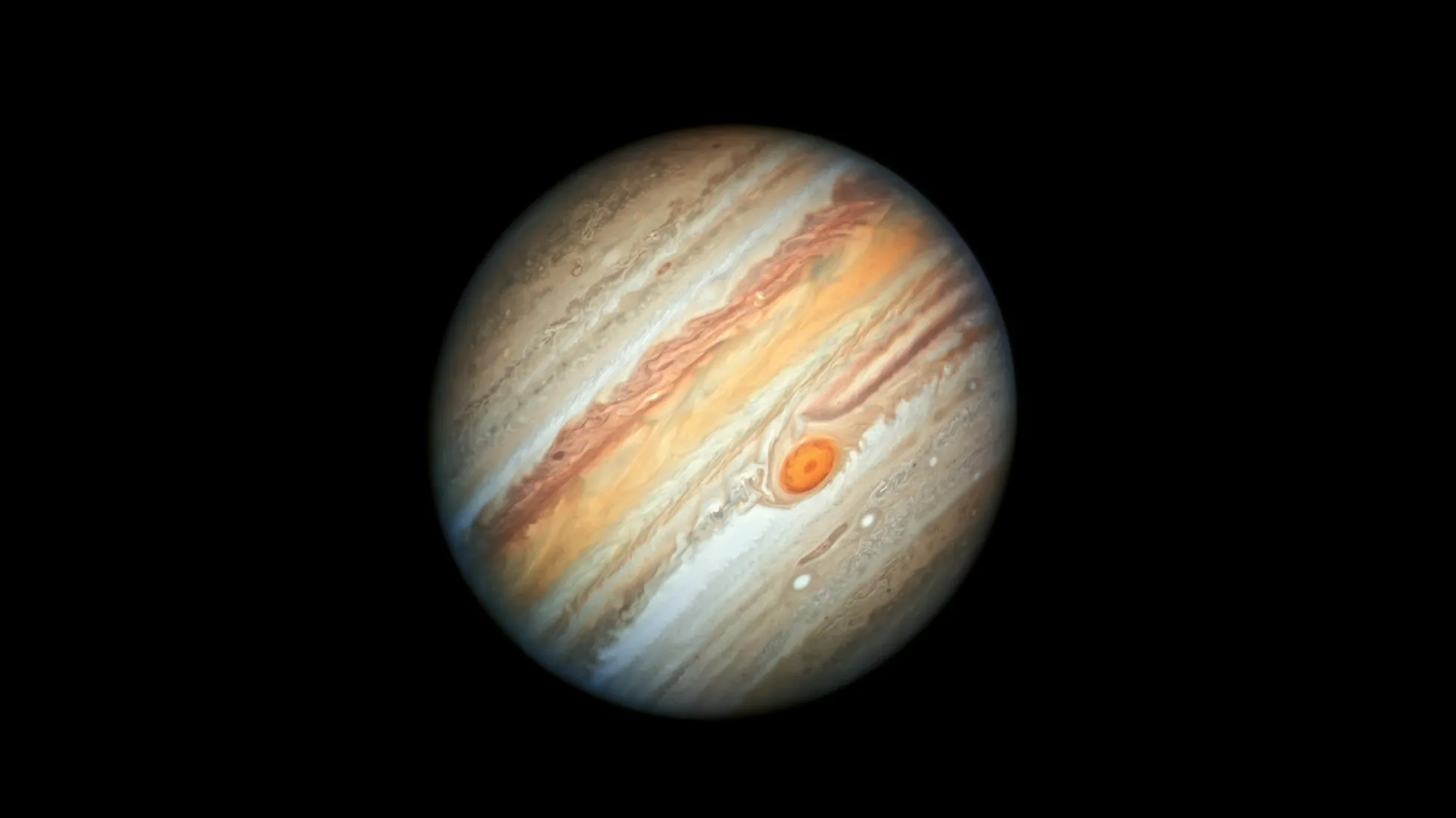
NASA’s Hubble Space Telescope has recently observed unprecedented behavior in Jupiter’s Great Red Spot (GRS), a massive storm system that has raged for centuries. Spanning a size large enough to engulf Earth, the Great Red Spot has drawn attention for its dynamic nature, but never before have scientists documented the storm exhibiting this “jiggling” effect. The oscillations in its size and fluctuations in speed are unlike any changes previously recorded, leaving astronomers both puzzled and intrigued. As the Hubble Telescope captured these unusual shifts, questions have arisen about the potential causes behind this newfound instability.

The Great Red Spot’s surprising movement comes as a major revelation in planetary science. Despite its gradual shrinking over the past decade, recent data reveal unpredictable expansions and contractions that diverge from its historical patterns. A team of astronomers, led by Amy Simon from NASA’s Goddard Space Flight Center, published these findings in The Planetary Science Journal, marking a groundbreaking moment for those studying Jupiter’s atmospheric dynamics. Simon expressed the team’s amazement, noting that while scientists have previously observed slight changes in the storm’s positioning, this ongoing “jiggle” is a completely unexpected development.

In addition to size oscillations, the Great Red Spot is now varying in speed—a feature newly documented through Hubble’s advanced imaging capabilities. According to the team’s analysis, the storm’s changes in velocity could point to fluctuations in Jupiter’s atmospheric conditions, though the exact mechanisms remain unclear. By closely examining the storm’s behavior through the telescope, researchers hope to uncover insights into the atmospheric dynamics at play, which may be driven by factors beyond Jupiter’s traditionally observed forces.

With these findings, astronomers are now exploring theories that could explain this puzzling transformation. One possibility under consideration is that internal atmospheric forces may be causing a disturbance in the storm’s structure. This unanticipated phenomenon highlights the complexity of planetary weather systems and reminds scientists of the vast unknowns within our solar system. As the study continues, further observations may provide clues to help explain the Great Red Spot’s new and mysterious behavior, potentially advancing our understanding of Jupiter’s volatile atmosphere.