
Yazılar

High-Precision Cancer Treatment: Radioactive Beam Therapy in Mice Shows Potential for Human Application

Innovative Cancer Therapy: Radioactive Ion Beams Show Promise in Mice Treatment

A groundbreaking study has successfully demonstrated the use of radioactive ion beams in treating tumors in mice, representing a promising advancement in cancer therapy. Published on arXiv.org, the study outlines how researchers used radioactive carbon-11 ions, which allow for real-time monitoring of the beam’s precise location, adding a level of control not typically available in conventional cancer treatments. This new method could mark a substantial step toward more effective and safer treatments for challenging tumor locations in humans.

First Application of Radioactive Ion Beams in Cancer Treatment

This research is the first instance of using radioactive particle beams for targeted tumor treatment. Scientists directed a beam of carbon-11 ions, specifically chosen for their radioactive properties, at a tumor positioned near the mouse’s spine. This approach allowed for a targeting precision within a millimeter, a critical advancement when treating tumors located near vital structures like the spinal cord or brain stem. The successful use of this highly focused beam highlights the potential for more precise treatments in complex human cancers, especially those in areas where traditional therapies risk damaging critical tissues.

Precision and Safety Benefits of Radioactive Ion Beams

Unlike traditional X-ray or proton therapy, which often affects surrounding tissues due to a broader energy spread, radioactive ion beams concentrate their energy directly at the tumor site. The radioactive carbon-11 ions in this study decay by releasing positrons, which can be detected using positron emission tomography (PET) scans, providing clinicians with immediate feedback on where the particles settle in real time. This direct localization helps reduce potential damage to nearby tissues and may result in fewer side effects for patients.

Implications for Future Human Treatments

While still in the experimental phase, the success of this treatment in mice opens exciting possibilities for its future application in human cancer therapy. Radioactive ion beams could prove especially useful for tumors located in challenging or sensitive regions, as they allow for high precision without compromising surrounding healthy tissues. Researchers are now focused on refining this technology and investigating its effects across different types of tumors. If adapted for human use, this method could become a highly effective tool in oncology, offering patients a safer and more targeted treatment option.
NASA’s Hubble Space Telescope Reveals Stunning Spiral Galaxy with Multiple Starburst Regions

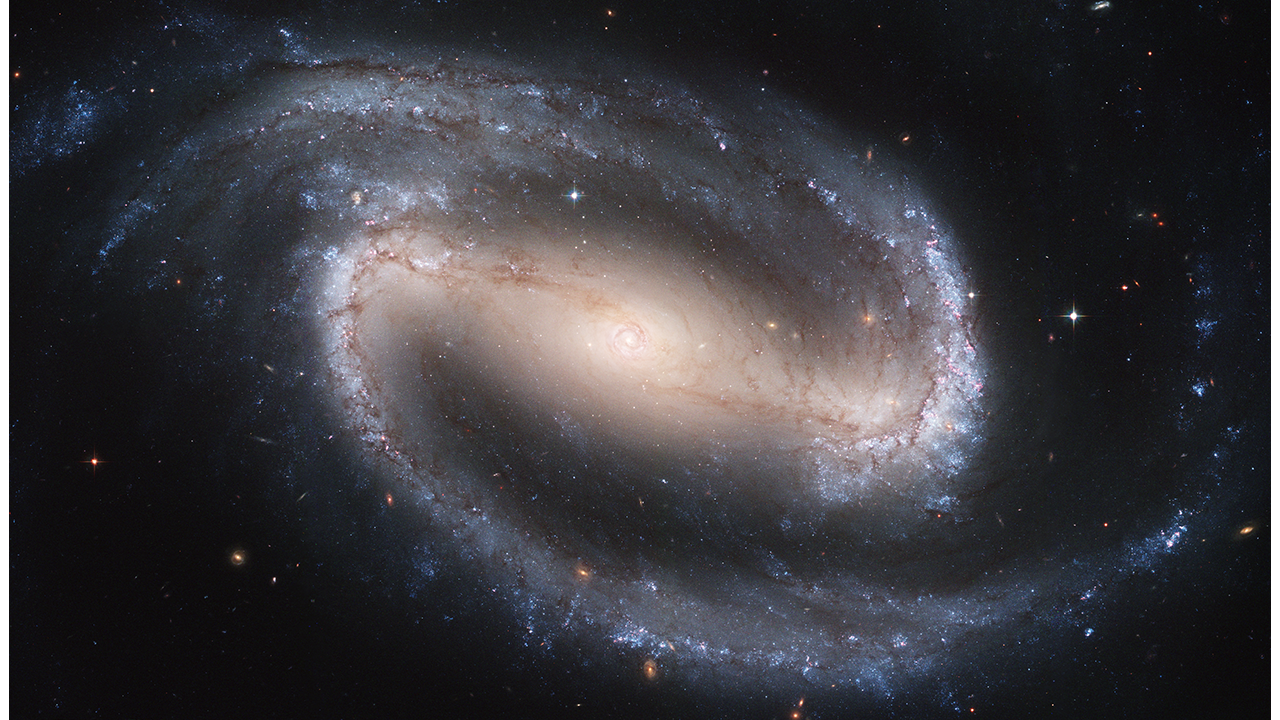
The Hubble Space Telescope has recently unveiled a stunning image of the spiral galaxy NGC 5248, located about 42 million light-years away from Earth in the constellation Boötes. Known as Caldwell 45, NGC 5248 is celebrated for its breathtaking spiral structure and vibrant starburst regions, which have made it a favorite subject for astronomers. This galaxy’s captivating features provide valuable insights into the processes of star formation and galactic evolution.

In the remarkable image captured by Hubble, NGC 5248 reveals its two prominent spiral arms that gracefully extend from a bright central region, almost reaching the edges of the frame. Dark reddish dust lanes weave through these arms, blocking some light and accentuating the intricate details of the galaxy’s structure. Scattered throughout the image are glowing points of bright pink, signifying areas where new stars are actively forming. These starburst regions contribute to the galaxy’s dynamic appearance, highlighting the ongoing processes of stellar birth and development.

Classified as a ‘grand design’ spiral galaxy, NGC 5248 features well-defined arms and a subtle bar structure at its core, although the bar is not fully visible in the Hubble portrait. The distinct morphology of this galaxy is crucial for understanding its evolutionary path. The well-defined spiral arms serve as pathways for the movement of gas and dust, influencing the dynamics within the galaxy and contributing to its star formation rates.

The dynamic flows of gas from the galaxy’s outer regions feed into the central star-forming areas, potentially directing material toward its central black hole. This interaction can facilitate the formation of an active galactic nucleus, a region of intense energy output at the core of the galaxy. As astronomers continue to study NGC 5248 and its intricate features, they gain deeper insights into the mechanisms of galaxy formation and the complex interplay between stars, gas, and dark matter in the universe. The Hubble Space Telescope’s observations of such galaxies not only enhance our understanding of the cosmos but also inspire awe and curiosity about the vastness of space.

El Niño Contributes to Unprecedented Global Temperature Rise in 2023, Studies Show

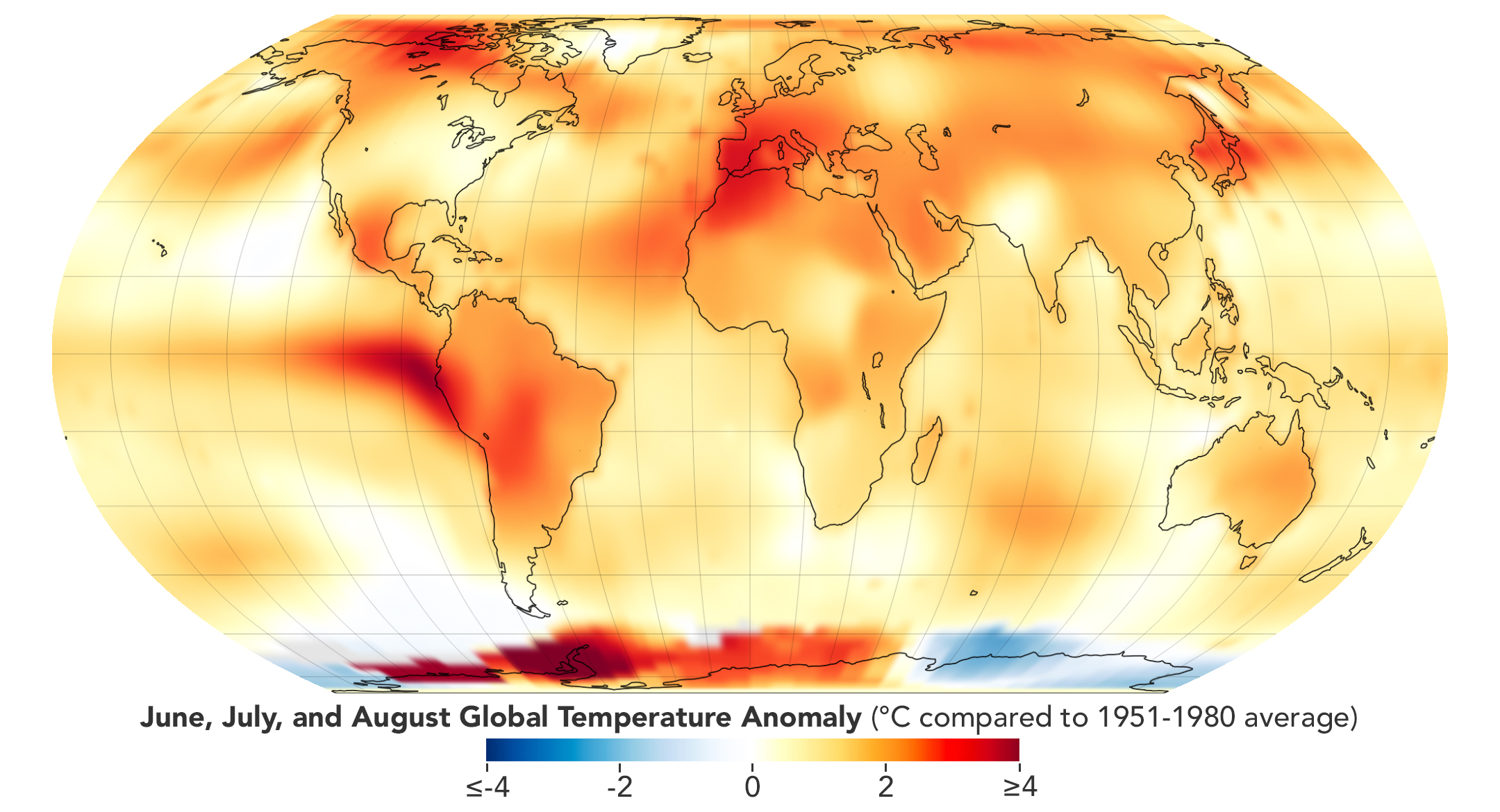
Global temperatures have reached unprecedented levels in 2023, raising alarm bells among climate scientists worldwide. With an average increase of nearly 0.3°C compared to the previous year, this dramatic rise has left many experts puzzled about the underlying causes. Notably, James Hansen, a prominent climate scientist, indicated that this could signify the onset of a new phase in global warming, further accelerated by a decrease in air pollution. Gavin Schmidt, director of NASA’s Goddard Institute for Space Studies, has also pointed out that this unusual temperature spike might expose gaps in our current understanding of climate feedback mechanisms.

Recent research highlights the critical role of El Niño in driving these temperature anomalies. The tropical Pacific Ocean’s shifting conditions, particularly the transition from a prolonged La Niña phase to a strong El Niño event, have significant implications for global climate patterns. Traditionally, La Niña conditions occur when trade winds push warm surface waters towards Indonesia, allowing cooler, deeper waters to rise in the eastern Pacific. This process typically leads to lower global temperatures, creating a stark contrast with El Niño’s effects.

During an El Niño event, warmer waters are pushed back eastward, disrupting the ocean’s natural cooling effect. This phenomenon effectively “turns off” the ocean’s role as an “air conditioner,” leading to an increase in global temperatures. Studies led by Shiv Priyam Raghuraman at the University of Illinois Urbana-Champaign have further reinforced the connection between the end of La Niña and the emergence of a robust El Niño, attributing the spike in temperatures in 2023 to this climatic shift.

The implications of this temperature rise are profound, raising concerns about the accelerating effects of climate change and the urgent need for a deeper understanding of climate dynamics. As scientists continue to investigate the intricacies of these phenomena, the findings underscore the importance of monitoring both air pollution levels and oceanic conditions. Moving forward, addressing the challenges posed by climate change will require a collaborative global effort to enhance our understanding of these complex systems and implement effective mitigation strategies.