Yazılar

SpaceX Successfully Deploys Optus-X Telecom Satellite from Florida

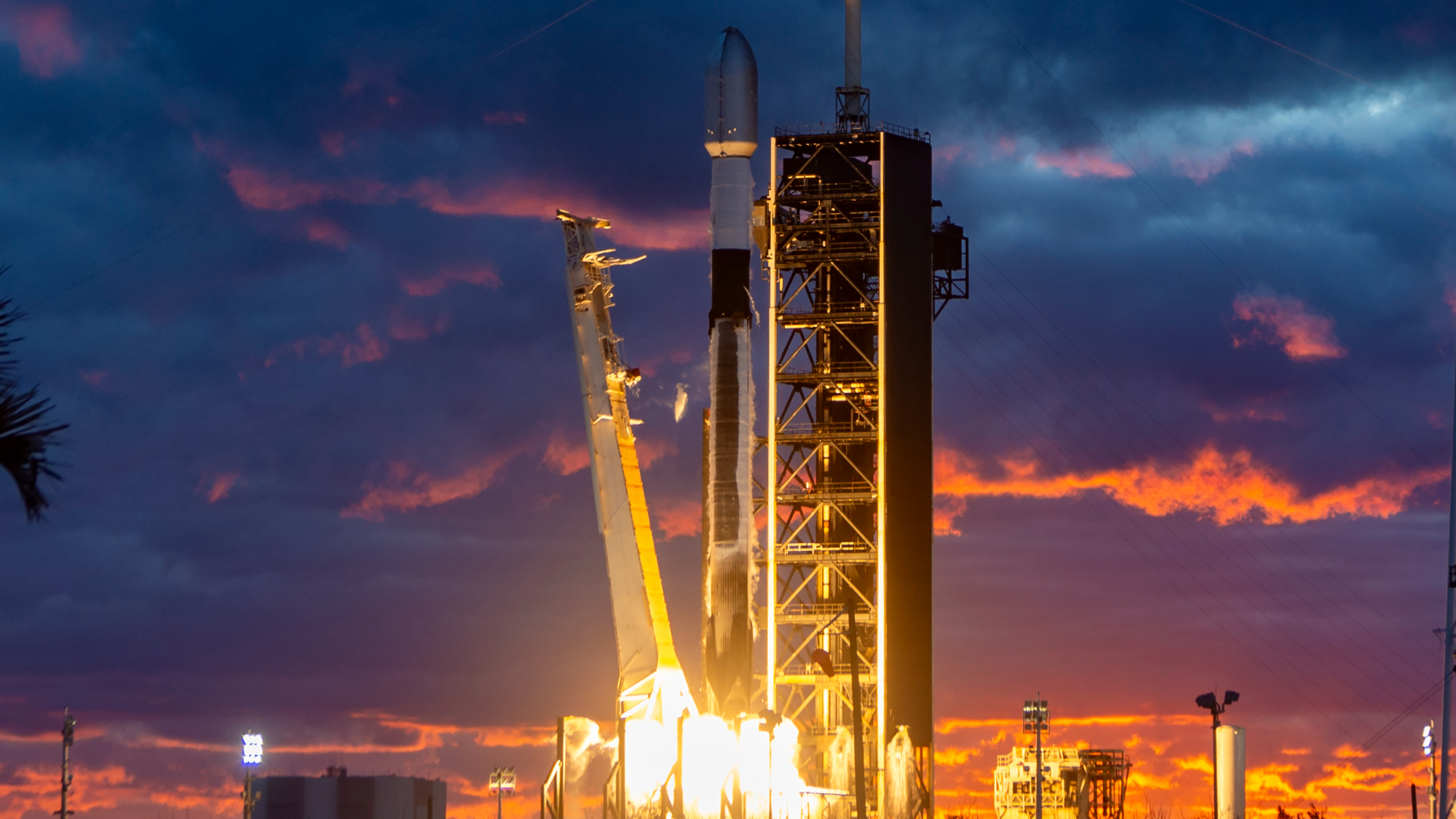
SpaceX Falcon 9 rocket successfully launched the Optus-X telecommunications satellite from NASA’s Kennedy Space Center in Florida. The liftoff, which occurred at 5:28 PM EST, coincided with a stunning sunset, creating a visually spectacular event for onlookers. Commissioned by Australian telecom provider Optus, the satellite aims to enhance communication services once operational in geostationary orbit, a region critical for global telecommunications and broadcasting.

Following the launch, the Falcon 9’s reusable first stage executed a controlled landing on SpaceX’s autonomous droneship, A Shortfall of Gravitas, stationed in the Atlantic Ocean. This achievement marked the 16th successful flight and recovery for this particular booster, underlining SpaceX’s commitment to cost-effective and sustainable spaceflight. Of its 16 missions, nine have been dedicated to deploying Starlink satellites, SpaceX’s own constellation for global internet coverage.

The Optus-X satellite is set to travel to a geostationary orbit approximately 22,236 miles (35,786 kilometers) above the Earth’s equator. The Falcon 9 rocket delivered it to a geosynchronous transfer orbit, an intermediary step from which the satellite will use its onboard propulsion system to reach its final position. Geostationary orbit allows satellites to maintain a fixed position relative to the Earth’s surface, making it ideal for consistent telecommunications coverage.

This launch underscores SpaceX’s role as a leading provider of satellite deployment services for commercial clients around the world. For Optus, the deployment of Optus-X represents a significant step forward in enhancing its network capabilities, enabling improved connectivity for customers in Australia and beyond. With its successful launch and innovative booster recovery, SpaceX continues to push the boundaries of modern rocketry and satellite deployment.

Moon Rocks from the Far Side Reveal Evidence of Ancient Volcanic Activity

In a groundbreaking discovery, researchers have unveiled new insights into the Moon’s far side by analyzing samples collected during China’s Chang’e-6 mission. This mission marked the first time nearly 2kg of geological samples from the Moon’s far side were brought back to Earth, providing an unprecedented opportunity to study this remote region. The findings, published in two studies on November 15 in Science and Nature, offer valuable evidence of volcanic activity that persisted on the Moon for billions of years, painting a detailed picture of its ancient geological history.

Dr. Qiu-Li Li, a researcher at the Chinese Academy of Sciences, co-authored a study published in Nature that emphasizes the importance of these findings. The samples reveal clues about prolonged volcanic activity on the lunar far side, along with distinct sources within the Moon’s mantle. These discoveries are pivotal, as they challenge previous understandings of lunar geology, suggesting that volcanic processes on the Moon were much more active and widespread than previously thought. The Chang’e-6 mission, which is China’s second exploration of the far side following the Chang’e-4 mission in 2019, landed in the South Pole-Aitken Basin—an ancient lunar impact site dating back roughly four billion years.

The samples retrieved by the Chang’e-6 spacecraft included a variety of fine dust particles, ranging in size from just 1 micrometer to hundreds of micrometers. According to Dr. Yi-Gang Xu, a petrologist at the Chinese Academy of Sciences and co-author of a separate study published in Science, these particles provide a mix of materials from various geological periods. The dust reflects the history of the Moon’s surface, shaped by continuous micrometeorite bombardment and the effects of solar wind over time, which have helped scatter and deposit these particles across the lunar surface.

This research opens new doors to understanding the Moon’s geological processes and its history of volcanic activity, offering a glimpse into its dynamic past. The Chang’e-6 mission’s success in bringing back samples from such an unexplored area provides invaluable data that could change how scientists view the Moon’s evolution. With this new information, experts are now better equipped to unravel the mysteries of the Moon’s far side, offering fresh insights into the broader processes that shaped not only the Moon but also the other celestial bodies in our solar system.

‘Chonkus’ Algae Discovered Off Italian Coast Could Offer Solutions for Climate Change Mitigation

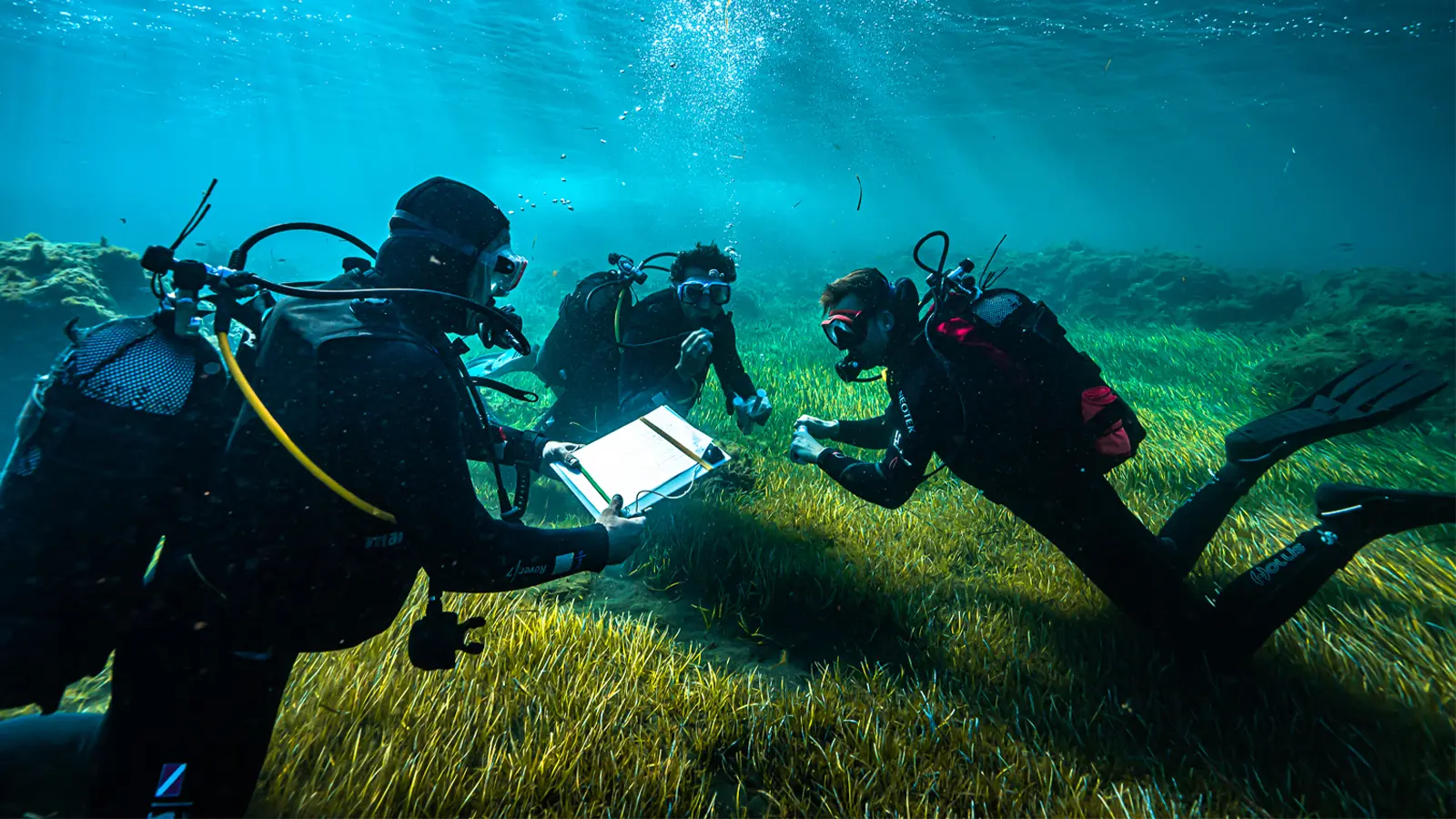
A groundbreaking strain of cyanobacteria, nicknamed “Chonkus,” has been discovered in the hydrothermal waters surrounding Italy’s Vulcano Island, stirring excitement due to its potential for carbon capture. The strain, formally known as UTEX 3222, was found during a marine study focused on collecting water samples from the volcanic vents in the region. The large cyanobacteria exhibit unique properties that may make them valuable in efforts to mitigate climate change by capturing carbon dioxide (CO₂) from the environment.

The volcanic hydrothermal environment around Vulcano Island is rich in carbon dioxide, which provides an ideal setting for Chonkus to thrive. Research has shown that this strain of cyanobacteria produces carbon-dense granules within its cells, a characteristic that accelerates its sinking rate in the ocean. As the algae absorb CO₂ from the surrounding water, they become more efficient at sequestering carbon, eventually sinking to the ocean depths where the captured carbon is stored for long periods, potentially reducing atmospheric CO₂ levels over time.

Beyond its natural role in marine ecosystems, Chonkus presents intriguing possibilities for industrial applications, particularly in carbon capture technologies. This cyanobacteria’s ability to store carbon internally could offer significant advantages for industries looking to reduce their carbon footprints. Studies suggest that Chonkus may be able to improve carbon capture efficiency by up to 30 percent compared to other methods, potentially lowering energy costs for industrial processes. This could be a game-changer in efforts to combat climate change through more sustainable and cost-effective means.

The discovery of Chonkus has drawn attention from leading scientists, including Professor George Church, a prominent researcher at Harvard University and the Massachusetts Institute of Technology. Church highlighted the significance of harnessing natural evolutionary processes, like the ones seen in Chonkus, to help tackle global environmental challenges. With further research and development, Chonkus could become a key player in carbon capture strategies, offering an innovative solution to help reverse the impacts of climate change.