Yazılar

NASA’s X-59 Supersonic Jet Successfully Completes Initial Engine Tests, First Flight Nears

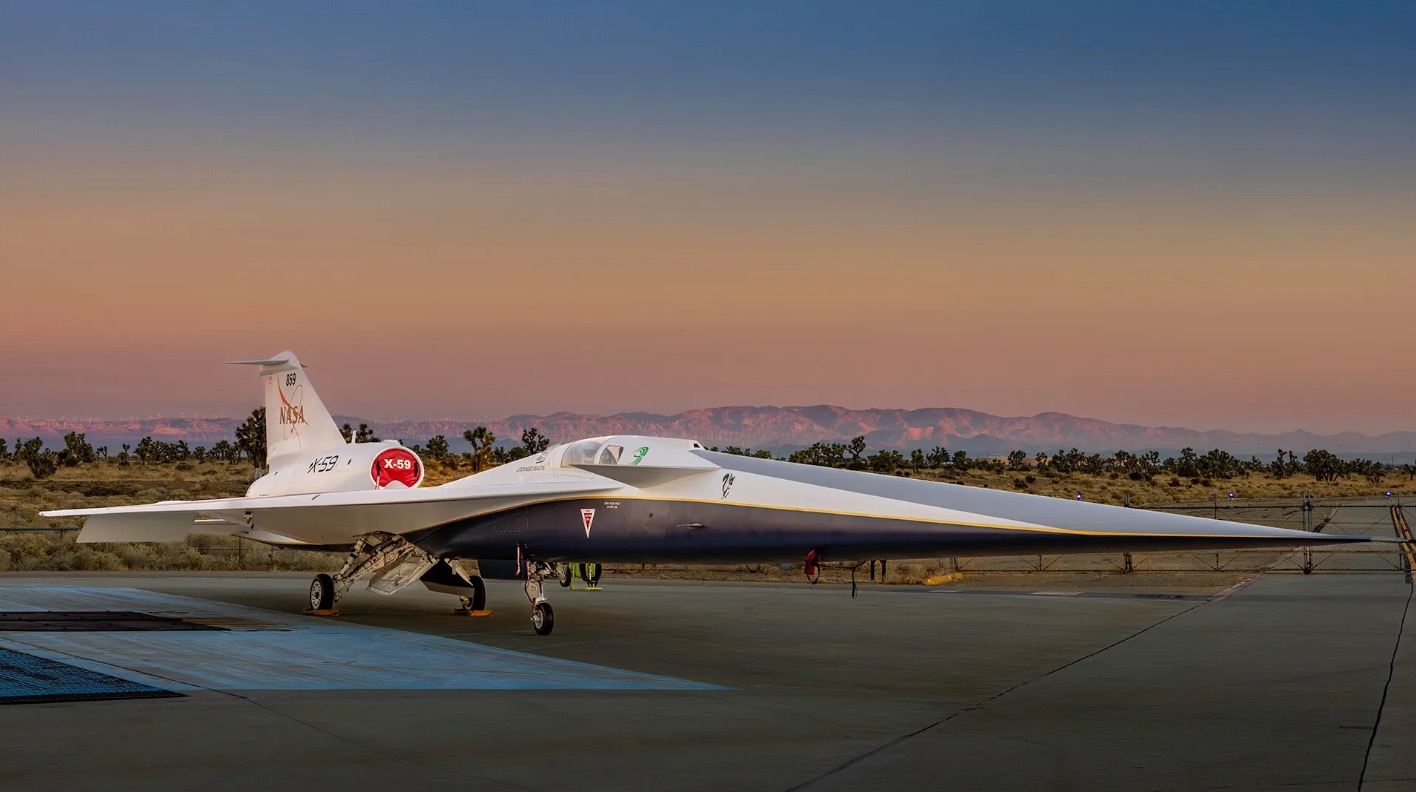
NASA’s experimental X-59 Quiet SuperSonic Technology (QueSST) aircraft has achieved a major milestone with its engine successfully fired up for the first time. Engineers at Lockheed Martin’s Skunk Works facility in Palmdale, California, have been conducting a series of phased engine tests since late October to assess the jet’s engine performance and systems integration. This crucial testing phase brings the aircraft closer to its first flight, although an official date for this event has yet to be set.

Testing Progress and System Integration
The initial engine tests focused on low-speed operations, allowing engineers to thoroughly inspect the aircraft for potential leaks and verify that essential systems—such as hydraulics and electrical components—worked properly in conjunction with the engine. After the completion of these basic checks, the engine was powered up fully for the first time, marking a key milestone in the aircraft’s development. According to Jay Brandon, NASA’s chief engineer for the X-59, the tests acted as a “warmup” to ensure that the engine was performing as expected while supporting the aircraft’s critical systems.

Performance of the Modified F414-GE-100 Engine
The X-59 is powered by a modified F414-GE-100 engine, a version of the engine found in the U.S. Navy’s Boeing F/A-18 Super Hornet. This modification is designed to allow the X-59 to fly at supersonic speeds while significantly reducing the noise produced by the aircraft. Unlike typical supersonic jets that generate disruptive sonic booms, the X-59 is engineered to minimize noise and create a quieter “sonic thump,” which could pave the way for commercial supersonic travel without disturbing communities on the ground.

Looking Ahead: The Quiet Supersonic Future
These successful engine tests represent a crucial step toward achieving NASA’s goal of creating a supersonic jet that reduces the impact of noise on the environment. The X-59 is a key component of NASA’s broader efforts to develop quiet supersonic technologies that could revolutionize air travel. As engineers continue to refine the aircraft’s systems and performance, the first flight of the X-59 will bring NASA one step closer to proving the viability of supersonic flight with minimal noise—a breakthrough that could change the future of commercial aviation.
Fossils of Armored Dinosaur With Bony Spikes Discovered, Capable of Withstanding Car Crash Impacts

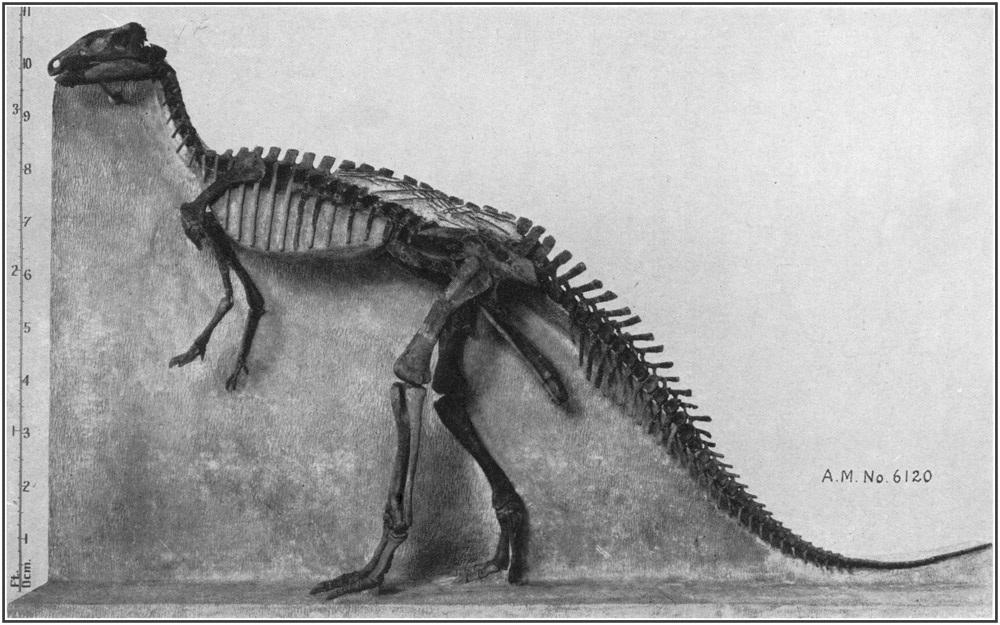
A remarkable fossil of a nodosaur, a plant-eating dinosaur, has been found to possess an armor so strong that it could endure the impact of a high-speed car crash. Discovered in Alberta, Canada, the fossil belongs to Borealopelta markmitchelli, a species that roamed the Earth approximately 110 million years ago during the Early Cretaceous period. This discovery is one of the best-preserved dinosaur fossils ever unearthed, offering scientists an unparalleled look at the defensive structures of this ancient creature.

New Insights into the Nodosaur’s Defense Mechanisms
Led by biomechanical paleontologist Dr. Michael Habib from UCLA, the research revealed fascinating details about the nodosaur’s protective features. The fossil’s bony armor was covered by a keratin sheath, which was found to be much thicker than previously assumed. In some areas, the keratin layer measured nearly 16 centimeters—significantly thicker than the keratin found on modern animals like cattle horns. This thick, robust coating, combined with the dinosaur’s bony spikes, provided a formidable defense against predators and likely helped it survive in a dangerous environment.

Unbelievable Strength of the Nodosaur’s Armor
According to the study, the nodosaur’s armor was capable of withstanding more than 125,000 joules of energy per square meter—an amount of force equivalent to that of a high-speed car collision. This discovery sheds light on the advanced defensive capabilities of the nodosaur, suggesting that its armor was not just for protection from predators but could also serve as a weapon or shield in combat between rival males of the same species. The armor’s ability to absorb such immense force highlights the evolutionary advantage that such a defense would have provided during its time.

Significance of the Discovery and Future Research
The fossil of Borealopelta markmitchelli offers rare insights into the complex evolutionary mechanisms that allowed dinosaurs to thrive in their environments. The study emphasizes the remarkable resilience and adaptability of these ancient creatures, which are only now being fully understood through modern scientific research. This discovery could have wider implications for paleontology, providing more information about how dinosaurs used their physical traits for survival and giving us a clearer understanding of life in the Cretaceous period. As new technologies and techniques emerge, more discoveries like this may continue to reshape our understanding of prehistoric life.

Google’s 67-Qubit Sycamore Quantum Computer Shows Potential to Surpass Leading Supercomputers, Study Finds

Google’s 67-Qubit Sycamore Chip Pushes Quantum Computing to New Heights

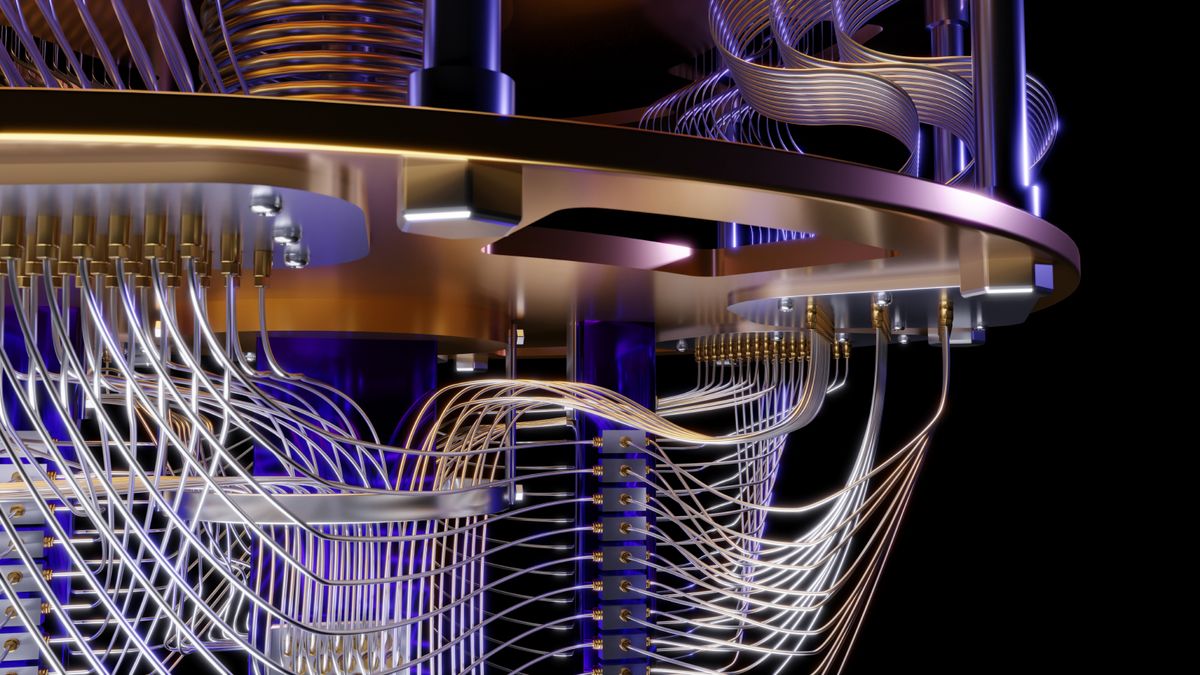
In a major leap for quantum computing, Google’s Sycamore processor, equipped with 67 qubits, has demonstrated performance that outstrips the most advanced classical supercomputers. According to a study published in Nature on October 9, 2024, this achievement marks the Sycamore processor’s entry into what researchers call the “weak noise phase.” This state allows quantum computers to perform calculations with stability, expanding the potential for quantum computing to tackle problems previously unsolvable by traditional methods.

Exploring the Weak Noise Phase

Under the guidance of Alexis Morvan from Google Quantum AI, the research team has shown how Sycamore can harness the weak noise phase to enhance computational capabilities. In this phase, the quantum processor can execute calculations with remarkable complexity, outpacing the fastest supercomputers available today. Google representatives emphasize that this breakthrough demonstrates the potential of quantum technology to solve complex real-world problems that cannot be addressed by classical computing alone. This phase of stability and efficiency brings the field closer to practical applications, marking a critical step toward making quantum computing feasible for broader use.

How Qubits Enable Quantum Superiority

Quantum computing relies on qubits, the quantum equivalent of classical bits, to perform operations. While bits process information sequentially in classical computers, qubits operate based on quantum mechanics, enabling them to execute multiple calculations simultaneously. The power of qubits grows exponentially as more are added to a quantum processor, allowing them to solve certain problems exponentially faster than classical systems. However, qubits are highly susceptible to interference, causing a high failure rate compared to classical bits. For instance, while traditional systems have failure rates as low as one in a billion billion bits, around one in every hundred qubits may fail, posing an ongoing challenge for quantum engineers.

Future Implications of Google’s Quantum Breakthrough

Google’s Sycamore processor exemplifies how quantum computers might one day outstrip classical systems for specific tasks, such as optimization problems, large-scale simulations, and cryptography. This latest breakthrough is an encouraging signal that we are approaching a new era in computational science, where quantum computers could unlock solutions to complex scientific, financial, and technological challenges. As research in error correction and qubit stability progresses, the potential of quantum computers to revolutionize various industries draws closer to reality.