Yazılar

Solar Storm Creates Stunning Northern Lights Display Across the Western Hemisphere on New Year’s Eve

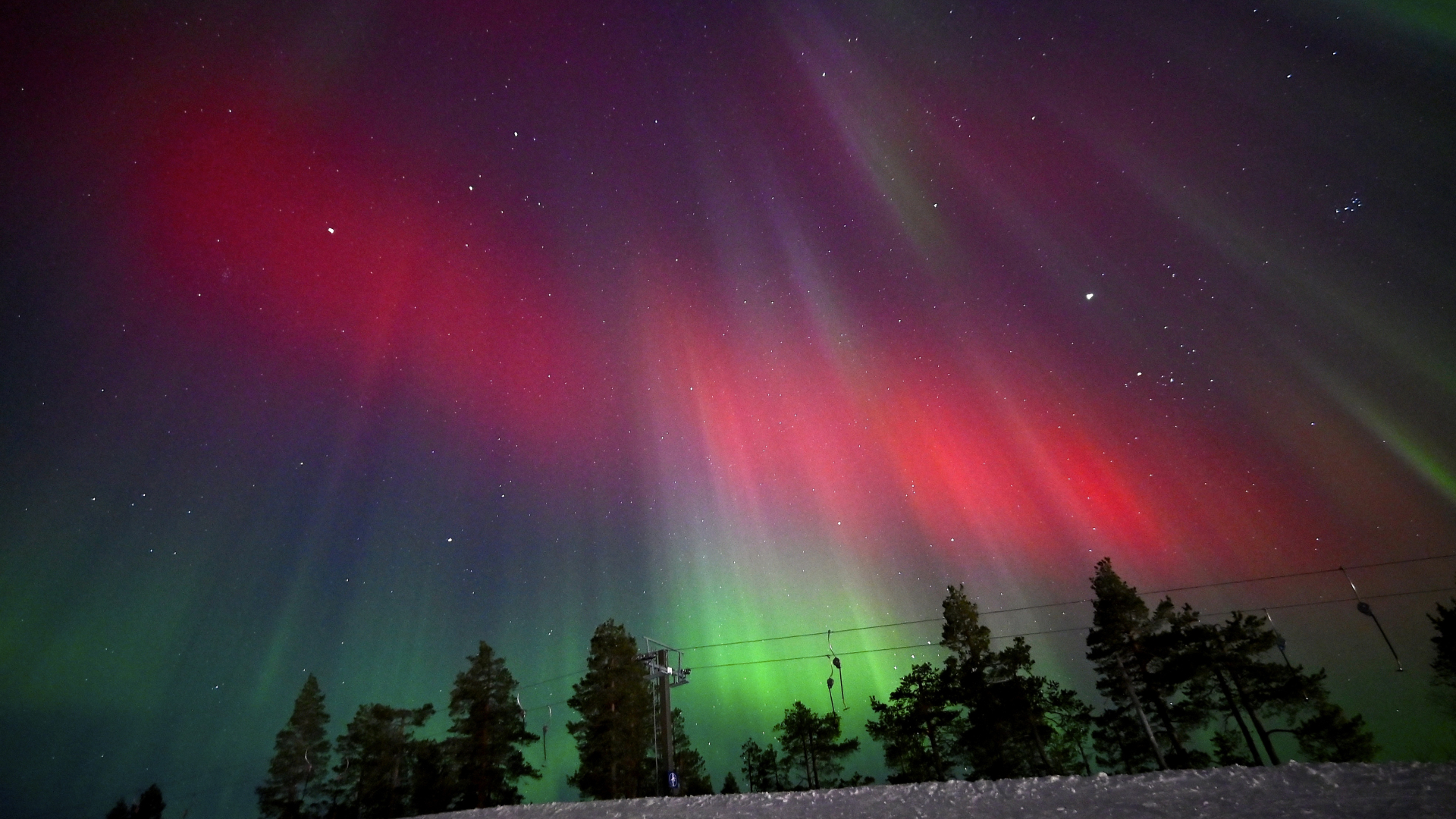
A stunning display of the northern lights illuminated the night skies as the world welcomed the New Year. This breathtaking auroral event, triggered by powerful solar storms, captivated observers from the central United States to Europe. The vibrant ribbons and pillars of green and red light painted the skies, with the aurora visible as far south as California in the United States and Austria and Germany in Europe. The spectacle lasted into the early hours of January 1, drawing stargazers and photographers eager to capture the celestial show.

The spectacular display was a result of intense geomagnetic activity caused by solar storms on New Year’s Eve. The solar events, linked to coronal mass ejections (CMEs) from the Sun, collided with Earth’s magnetic field, producing the auroral phenomenon. These CMEs released high-energy particles that traveled toward Earth, triggering geomagnetic storms. According to the National Oceanic and Atmospheric Administration (NOAA), the storms began at a G1-level intensity but intensified to G3-level disturbances by January 1, making the northern lights more visible across various regions.

The interaction between the solar particles and Earth’s magnetosphere caused atmospheric gases to ionize, releasing energy in the form of light. This energy emitted as colorful glows in the sky, with green and red being the most prominent hues in the northern lights. While this phenomenon, known as the aurora borealis, typically occurs in the Northern Hemisphere, a similar light show, called the aurora australis, can be seen in the Southern Hemisphere.

This celestial event served as a reminder of the dynamic relationship between the Earth and the Sun. While such solar storms can sometimes disrupt satellite communication or power grids, their ability to create awe-inspiring natural light displays is a beautiful byproduct of solar activity. As scientists continue to study these phenomena, public interest in space weather and its effects on Earth only grows, with events like the New Year’s Eve aurora offering a visual spectacle for people around the world.
Mars May Harbor Hidden Methane Deposits Beneath Its Crust, Potentially Supporting Alien Life

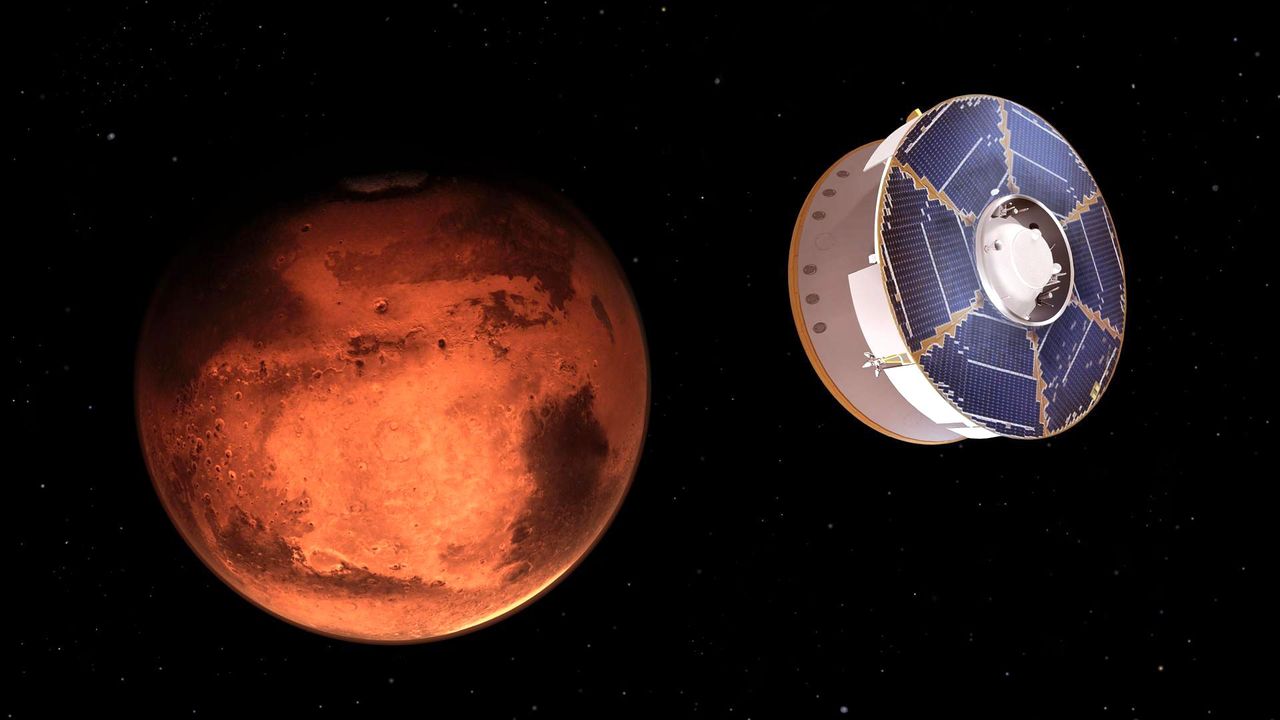
Scientists have identified potential habitats on Mars where life may exist, particularly in deep underground regions where methane has been detected. Over the years, seasonal variations in methane levels observed by rovers on the Martian surface have raised significant interest. These findings have led researchers to explore the possibility that Mars could host microbial life, despite its harsh environmental conditions. With subzero temperatures, a thin atmosphere, and high levels of cosmic radiation, the surface of Mars is far from hospitable. However, underground areas may offer a more stable and protective environment for certain forms of life.

A recent study published in the journal Astrobiology examined Earth environments that resemble conditions on Mars to better understand the potential for life on the Red Planet. Researchers focused on places where methanogens, microbes that produce methane as a byproduct, are known to thrive. These microorganisms are capable of surviving in extreme environments, much like those believed to exist on Mars.

One such Earth analog is microscopic fractures found deep within bedrock, where methanogens can survive by metabolizing minerals. Similarly, subglacial freshwater lakes and highly saline deep-sea basins have been identified as habitats where methanogens flourish. These environments are characterized by their isolation from the surface, extreme pressure, and the presence of minerals that could support microbial life, similar to what may be found beneath Mars’ surface.

The existence of methane-producing microbes in these Earth environments suggests that life forms capable of surviving in Mars’ subsurface could also be possible. If methane is indeed being produced underground on Mars, it could indicate active microbial processes, offering a compelling reason to explore these regions further. The potential for life beneath Mars’ crust continues to intrigue scientists, and future missions to the planet may focus on these hidden, methane-rich areas to unlock the mysteries of Martian life.

SpaceX to Launch Firefly’s Blue Ghost Lander Carrying 10 NASA Payloads

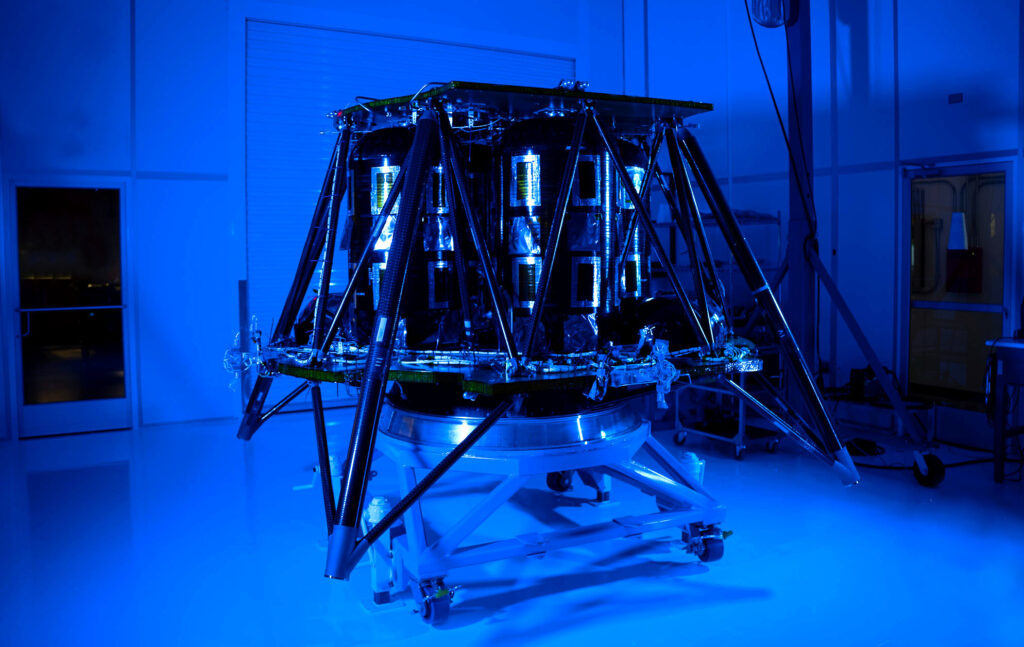
Firefly Aerospace’s Blue Ghost lunar mission is gearing up for its launch aboard a SpaceX Falcon 9 rocket, with a six-day window opening in mid-January. This landmark mission, dubbed “Ghost Riders in the Sky,” not only highlights Firefly’s capabilities but also serves as a collaborative effort under NASA’s Commercial Lunar Payload Services (CLPS) programme. Alongside Blue Ghost, Japan’s Resilience lander will share the Falcon 9 ride, marking a rare dual-mission launch. Reports confirm that Blue Ghost has already reached NASA’s Kennedy Space Center for final integration with the rocket, signaling the mission’s readiness.

Advancing Lunar Science Through NASA Payloads

The mission will carry 10 cutting-edge NASA payloads designed to deepen our understanding of the moon and its interaction with Earth’s magnetic fields. Among the standout instruments is the Next Generation Lunar Retroreflector (NGLR), a tool capable of measuring Earth-moon distances with unparalleled accuracy. Additionally, the Regolith Adherence Characterisation (RAC) will analyze the impact of lunar dust on equipment, while the Lunar Environment Heliospheric X-ray Imager (LEXI) will monitor solar wind activities to better understand the moon’s space weather environment.

Experimental Technologies for Lunar Exploration

The Blue Ghost mission will also serve as a platform for testing pioneering technologies crucial for future lunar exploration. The Electrodynamic Dust Shield (EDS) is designed to repel lunar dust using electric fields, an essential innovation for maintaining equipment functionality on the moon. Another noteworthy technology is the Lunar GNSS Receiver Experiment (LuGRE), which evaluates the potential of GPS-like navigation systems in lunar conditions. The Radiation Tolerant Computer System (RadPC) will demonstrate its ability to withstand the harsh radiation environment of space, laying the groundwork for future long-duration lunar missions.

A Milestone in Space Collaboration

This mission underscores the growing importance of public-private partnerships in advancing lunar science and technology. By combining efforts under the CLPS initiative, NASA, Firefly Aerospace, and SpaceX aim to pave the way for sustainable lunar exploration and establish critical capabilities for missions beyond Earth’s orbit.